1(213)276-6416|국제 의료 조정 · 베이징
로그인무료 시작 →
OrientHealthLink
OrientHealth국제 진료
홈건강 검진수술 및 치료만성 질환질병 치료협력 병원가격 안내블로그문의하기
무료 시작 →비용 계산기 · 환자 사례 · 카드 불필요

무료 의료 관광 가이드 받기

포괄적인 가이드를 다운로드하고 매주 전문가 팁을 받아보세요

OrientHealthLink

베이징 소재 — 국제 의료 조정

투명한 가격 — 숨은 수수료 없음. 전체 세부 사항은 가격 페이지를 참조하세요.

빠른 링크

이용 방법우리의 병원만성 질환안전성가격멤버십블로그문의파트너 되기

문의

info@orienthealthlink.com1(213)276-6416WhatsApp 채팅

베이징시 창핑구 베이치자진 퓨처 사이언스 시티 (조정 팀)

의학적 고지: OrientHealthLink는 의료 여행 조정 서비스 제공자이며, 의료 기관이 아닙니다. 이 웹사이트의 콘텐츠는 일반적인 정보 제공 목적으로만 제공되며 의학적 조언, 진단 또는 치료 권장 사항을 구성하지 않습니다. 우리는 의학적 진단, 치료 조언 또는 어떤 형태의 건강 평가도 제공하지 않습니다. 모든 의학적 결정은 자격을 갖춘 면허 의사와 상담하여 이루어져야 합니다. 이 사이트에서 언급된 중의학(TCM) 치료법은 개인에 따라 효과가 다를 수 있으며, 설명은 전통 중의학 이론에 기반하며 특정 결과를 보장하지 않습니다. 국경 간 의료 여행은 복잡한 법적 및 건강 고려 사항을 수반합니다 — 결정을 내리기 전에 전문 법률 및 의료 자문가와 상담할 것을 권장합니다.

© 2024–2026 OrientHealthLink. All rights reserved.

이용약관개인정보 처리방침
블로그로 돌아가기
Treatment2026-07-0920 분 소요

Endometriosis Is Not Just Bad Periods

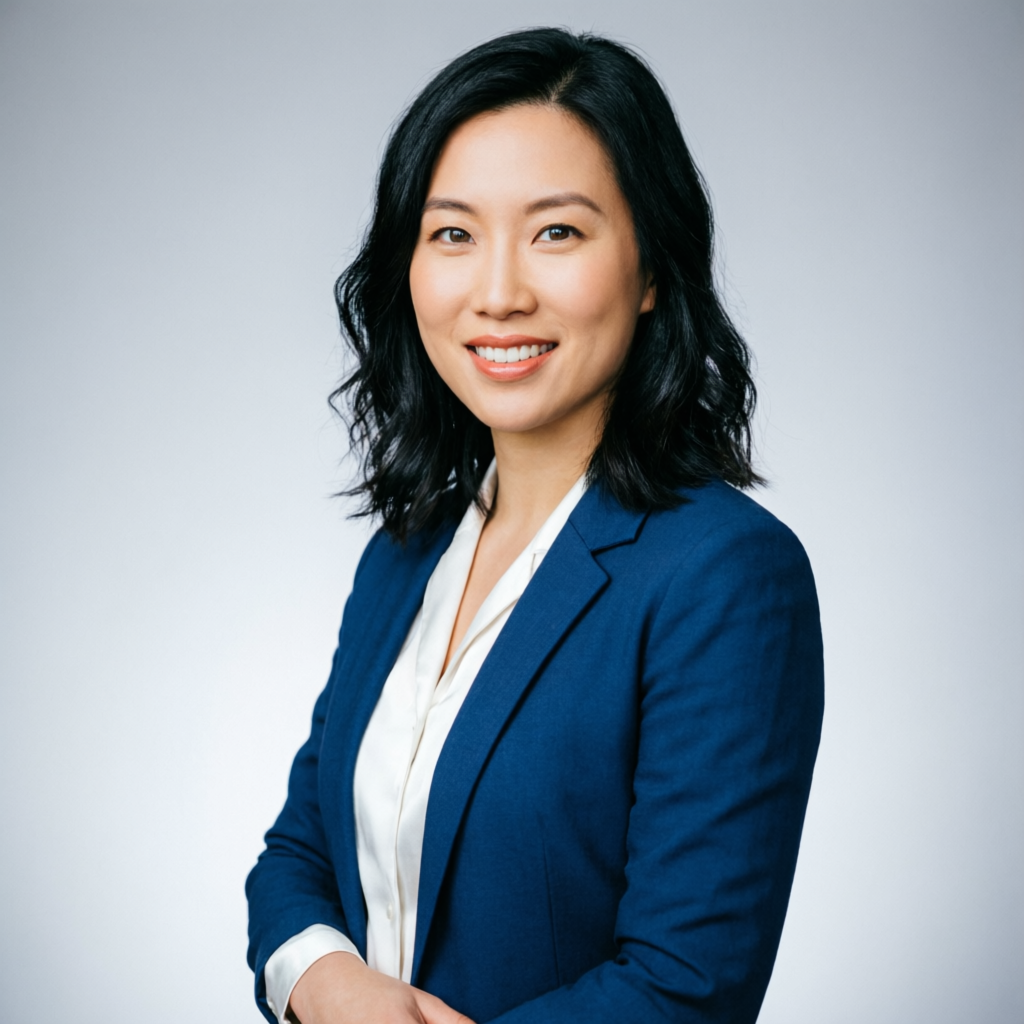
Sarah Lin

Sarah Lin

Senior Medical Travel Coordinator

8 years coordinating international patient care in Beijing and Shanghai.

Endometriosis Is Not Just Bad Periods | OrientHealthLink

Category: Treatment  |  Read time: ~10 min  |  Published: July 9, 2026

Endometriosis Is Not Just Bad Periods

Quick answer: Endometriosis is a chronic, whole-body inflammatory condition in which tissue similar to the uterine lining grows outside the uterus and can affect the ovaries, bowel, bladder, and other organs. Treatment can manage symptoms and improve quality of life. Results vary by individual, and any treatment plan should be decided with your doctor.

Send my X-ray, several experienced doctors will review it →

At a Glance

  • Endometriosis affects about 10% (190 million) of reproductive-age women worldwide.
  • The average time from first symptoms to diagnosis is around 6.6 years globally, with some patients waiting much longer.
  • After conservative surgery, recurrence rates vary by study; one reported a 2-year rate of 23.2% and an overall rate of 56.4%, with a median time to recurrence of about 49 months.
  • The annual societal burden of endometriosis in the United States was later estimated at roughly €49.6 billion (around $69.4 billion in 2010 dollars), with productivity losses making up about two-thirds.
  • Some patients explore acupuncture and individualized herbal approaches alongside conventional care; research suggests acupuncture may reduce pain scores for some people, though evidence quality remains limited and results vary.

For people who have been told their pain is normal — and know it is not.


What Is Endometriosis, Really?

Endometriosis is a chronic, whole-body inflammatory condition in which tissue similar to the uterine lining grows outside the uterus and can affect the ovaries, fallopian tubes, outer uterine surface, bowel, bladder, pelvic floor, and, in rare cases, distant organs.

The tissue is not simply "misplaced." It responds to hormonal signals, produces local inflammation, and can develop its own nerve supply. That helps explain why pain severity does not always match the amount of visible disease on imaging, and why some people with few lesions report severe symptoms while others with extensive disease do not.

Common forms include superficial peritoneal lesions, ovarian endometriomas, and deep infiltrating endometriosis. Adenomyosis, in which similar tissue grows into the uterine muscle, often occurs alongside endometriosis and causes heavy bleeding and deep pelvic pain.


Why Does Diagnosis Take So Long?

The average delay from first symptoms to diagnosis is about 6.6 years worldwide, because severe period pain is frequently dismissed as normal and definitive diagnosis usually requires laparoscopic surgery with tissue confirmation.

Many patients report being told to take ibuprofen, use a heating pad, or try hormonal birth control before being evaluated further. Imaging such as ultrasound or MRI can detect endometriomas and deep infiltrating disease, but superficial peritoneal lesions are often invisible. As a result, people may see multiple providers and undergo repeated "normal" tests before reaching a specialist.

That delay has real consequences: chronic pain can sensitize the nervous system, fertility may be affected, and the psychological toll of being disbelieved can be as damaging as the physical symptoms.


Why Does Standard Treatment Sometimes Fall Short?

Standard care — hormonal suppression, excision surgery, pain management, and fertility support — can reduce symptoms and address complications for many people, but it does not eliminate the underlying disease and recurrence is common.

Hormonal options — including combined oral contraceptives, progestins, levonorgestrel IUDs, and GnRH agonists or antagonists — aim to reduce menstrual stimulation of lesions. They help some people significantly, but symptoms often return after stopping medication, and side effects can be substantial.

Laparoscopic excision, performed by an experienced endometriosis specialist, can remove lesions and improve pain or fertility outcomes. However, recurrence is common, especially when ovaries are preserved, and surgery does not address the immune and inflammatory environment that allows lesions to develop.

For persistent pain or infertility, management may include NSAIDs, neuropathic pain medications, pelvic floor physical therapy, psychological support, or assisted reproduction. These are legitimate and often necessary parts of care.

Send my X-ray, several experienced doctors will review it →


What Other Options Are Worth Considering?

Some patients explore integrative supportive care — such as acupuncture and individualized herbal approaches — alongside conventional treatment, and early research suggests these may help some people with symptom relief, though high-quality evidence specific to endometriosis remains limited and results vary.

A systematic review and meta-analysis found that acupuncture reduced dysmenorrhea and pelvic pain scores for some participants, although the authors noted limitations in study design, blinding, and follow-up. Another review of Chinese herbal medicine reported improvements in some symptoms and inflammatory markers, but also highlighted inconsistent methodological quality and small sample sizes.

For patients who want this kind of coordinated approach, some tertiary hospitals in China combine gynecologic surgery with traditional Chinese medicine supportive care. This is not a replacement for conventional diagnosis or treatment, but it can offer a single setting where surgical and pattern-based supportive care are managed together.

Send my X-ray, several experienced doctors will review it →


How Do I Know Which Path Is Right for Me?

The right approach depends on your symptoms, disease type and extent, prior treatments, fertility goals, and willingness to travel, and it should be decided with a qualified specialist rather than chosen from a list of options alone.

If you are considering care outside your home country, the specific hospital and the specific doctor matter more than the destination. Endometriosis excision requires specialized surgical skill, and integrative support requires experienced gynecology and traditional Chinese medicine teams who routinely treat international patients.

Language support, record transfer, and continuity of care after you return home are practical concerns that should be resolved before you travel. A hospital worth considering should be able to show verifiable accreditation, clear international-patient processes, and a specific surgeon's experience with your type of disease.


Why Can't I Sort This Out on My Own?

Because endometriosis can mimic other conditions, requires specialized imaging and surgical interpretation, and benefits from an individualized plan that coordinates gynecology, pain management, and sometimes integrative support, self-directed care often leads to delays or incomplete treatment.

Online symptom checkers and generic diet or supplement protocols rarely account for the subtype of disease, adhesions, nerve involvement, or fertility status. Getting a clear diagnosis and a staged management plan usually requires a multidisciplinary team with endometriosis-specific experience.


How We Help

OrientHealthLink is a medical travel coordination service. We do not diagnose or treat endometriosis. What we do is help you find and reach qualified hospitals and doctors in China who may offer a different angle on treatment-resistant symptoms.

  • We maintain a nationwide database of hospitals, doctors, and their specialties.
  • We get direct insight from hospital contacts about which departments accept international patients.
  • Our on-the-ground team is inside these hospitals regularly and can help arrange a transfer or admission through the right channel.
  • We provide bilingual support throughout, and we prepare records so your home doctor can still use them afterward.
  • We offer a free case review to understand your situation before any travel is planned.

We give you the evidence and our reasoning. You make the final decision, with your doctor.


Frequently Asked Questions

Is endometriosis really just bad periods?

No. Endometriosis is a chronic, whole-body inflammatory condition that can cause severe menstrual pain, heavy bleeding, pain with bowel movements or urination, fatigue, and infertility. The pain is real, has biological mechanisms, and is not "in your head."

Why does endometriosis take years to diagnose?

Severe period pain is often dismissed as normal, and imaging can miss superficial or early disease. Definitive diagnosis usually requires laparoscopic surgery with tissue confirmation, which many providers are reluctant to recommend for "just period pain."

What treatments are available for endometriosis?

Options include hormonal suppression, laparoscopic excision surgery, pain management, and fertility support. These can manage symptoms and address complications, but they do not eliminate the underlying disease.

Can acupuncture or Chinese herbal medicine help with endometriosis?

Some patients explore these alongside conventional care. Research suggests acupuncture may reduce menstrual and pelvic pain for some people, and Chinese herbal medicine may improve some symptoms, but high-quality evidence specific to endometriosis remains limited and results vary.

Is the case review really free?

Yes. The initial case review is free and carries no obligation. If we think you would be fine staying local, we will tell you.

How do I know if going to China for care makes sense for me?

It depends on your disease complexity, prior treatments, ability to travel, and what you hope to achieve. We review your records and tell you honestly whether a partner hospital in China is a good fit, or whether staying local is the better option.


Which hospital and which doctor are genuinely right for your case — you can't find that from a website.

We match you based on a nationwide database, hospital contacts, and on-the-ground patient feedback. You decide — we just make sure you're not choosing blind.

Send my X-ray, several experienced doctors will review it →

Free · No obligation · If we think you'd be fine staying local, we'll tell you.

Internal links: → How We Choose Your Doctor · → Endometriosis Pain Keeps Coming Back After Surgery · → PCOS: Is Birth Control Really My Only Option?

This article is general information, not medical advice. Individual results vary. OrientHealthLink is a medical travel coordination service, not a healthcare provider — we help you find and reach the right doctors; we do not diagnose or treat. All medical decisions should be made with qualified, licensed physicians.

"it's just bad periods" — and other lies women with endometrendometriosis chinamedical tourism china 2026
공유:

의료 여행에 대한 최신 정보 받기

무료 가이드와 의료 관광 전문가의 주간 인사이트를 받은 편지함으로 받아보세요.

관련 서비스

다음 단계를 준비하셨나요?

Explore our world-class surgical procedures performed by top specialists in China's leading hospitals.

Explore Surgery Services

중국에서 의료 서비스를 알아보실 준비가 되셨나요?

무료 상담을 위해 문의해 주세요. 전문가 팀이 맞춤형 의료 여행 계획을 세워 드립니다.

Start Free →
블로그로 돌아가기