1(213)276-6416|国际医疗协调服务 · 北京
English登录免费注册 →
OrientHealthLink
OrientHealth国际医疗服务
首页健康体检手术与治疗慢性病调理疾病治疗合作医院套餐价格博客联系我们
免费开始 →费用计算器 · 患者故事 · 无需绑卡

获取免费医疗旅游指南

下载完整指南 + 每周获取专家建议

OrientHealthLink

总部位于北京 · 国际医疗协调服务

"透明定价——无隐藏费用。详见定价页面。"

快速链接

服务流程合作医院慢性病调理安全保障套餐价格会员博客联系我们合作推广成为地接

联系方式

info@orienthealthlink.com1(213)276-6416WhatsApp 咨询

北京市昌平区北七家未来科学城(北京协调团队)

医疗免责声明:OrientHealthLink 是医疗旅行协调服务提供商,不是医疗机构。本网站内容仅供一般信息参考,不构成医疗建议、诊断或治疗方案。我们不提供任何形式的医疗诊断、治疗建议或健康评估服务。所有医疗决策应由您与具有执业资格的医师共同做出。本网站提及的中医疗法效果因人而异,相关描述基于传统中医理论,不代表对特定疗效的保证。跨境医疗涉及复杂的法律和健康风险,建议您在做出决定前咨询专业法律和医疗顾问。

© 2024–2026 OrientHealthLink. All rights reserved.

服务条款隐私政策
返回博客
Treatment2026-06-139 分钟阅读

伴有身体症状的焦虑:仅靠心理治疗无法平复

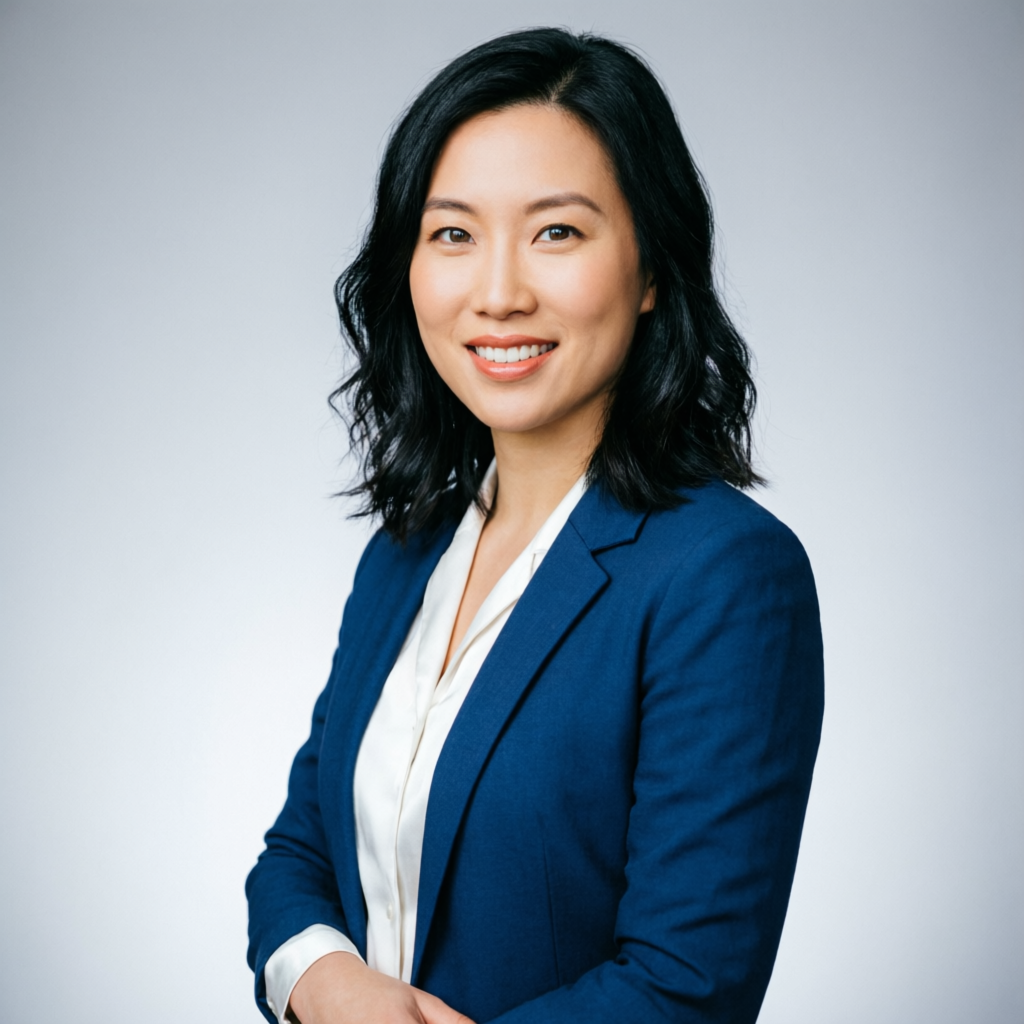
林思瑶

林思瑶

高级医疗旅行协调员

8年在北京和上海协调国际患者医疗服务经验。

Anxiety With Physical Symptoms Therapy Alone Can't Settle | OrientHealthLink

Anxiety With Physical Symptoms Therapy Alone Can't Settle

OrientHealthLink Editorial Team · Updated 2025 · 9 min read

Medical Disclaimer: This article is for informational purposes only and does not constitute medical advice or a substitute for professional mental health care. If you are in crisis, please contact emergency services or a crisis hotline immediately. Treatment outcomes vary, and no approach guarantees specific results.

Your therapist has helped. You understand your anxiety better now — the cognitive distortions, the avoidance patterns, the childhood origins maybe. You can name your triggers. You've done the thought records. You practice breathing exercises.

And yet your body still doesn't believe you're safe.

Your stomach churns before every meeting. Your chest tightens without warning. Your muscles hold tension that no amount of cognitive restructuring seems to release. You wake at 3 a.m. with your heart hammering, and no amount of rational self-talk convinces it to slow down.

If your anxiety lives in your body — not just your mind — and therapy alone hasn't resolved the physical symptoms, you are not doing therapy wrong. You may be dealing with a form of anxiety that requires more than cognitive tools.

The Body Keeps the Score (Literally)

Somatic anxiety — anxiety that manifests primarily through physical symptoms — is extraordinarily common, yet it is often treated as secondary to the "real" problem of anxious thoughts. This framing misses something fundamental about how anxiety works in the nervous system.

Anxiety is not purely a cognitive phenomenon. It is a whole-body stress response mediated by the autonomic nervous system, the hypothalamic-pituitary-adrenal (HPA) axis, and a network of neurochemical signaling that extends throughout the body. When this system becomes dysregulated — when the "fight-or-flight" response activates too frequently, too intensely, or without appropriate external triggers — the physical manifestations can be as disabling as the psychological ones.

Common physical symptoms of anxiety include:

  • Gastrointestinal distress: Nausea, stomach cramping, diarrhea, constipation, "butterflies," acid reflux, appetite changes. The gut contains approximately 500 million neurons (the enteric nervous system) and is exquisitely sensitive to stress hormones.
  • Muscular tension: Chronic tightness in the neck, shoulders, jaw, and back. Tension headaches. TMJ dysfunction. The feeling of being unable to fully relax your body even when your mind is calm.
  • Cardiovascular symptoms: Heart palpitations, racing heartbeat, chest tightness, blood pressure fluctuations. These symptoms are particularly distressing because they mimic cardiac events, often triggering additional anxiety about one's health.
  • Respiratory symptoms: Shortness of breath, air hunger, hyperventilation, the sensation of not being able to take a full breath.
  • Neurological symptoms: Dizziness, tingling, numbness, derealization (feeling disconnected from one's surroundings).
  • Sleep disruption: Difficulty falling asleep, frequent waking, early morning awakening, unrefreshing sleep. Sleep disruption both results from and exacerbates anxiety, creating a self-reinforcing cycle.

These are not "imagined" symptoms. They are measurable physiological responses — elevated cortisol, increased muscle electromyographic activity, altered heart rate variability, changes in gut motility — that occur when the stress response system is chronically activated.

Where Therapy Helps — and Where It Hits a Wall

Evidence-based psychotherapies for anxiety — particularly cognitive behavioral therapy (CBT), acceptance and commitment therapy (ACT), and exposure-based approaches — are effective for many patients. They help individuals identify and modify anxious thought patterns, reduce avoidance behaviors, and develop more adaptive responses to anxiety triggers.

For patients whose anxiety is primarily cognitive — excessive worry, catastrophic thinking, rumination — therapy can be transformative. And even for patients with significant somatic symptoms, therapy provides essential tools for understanding and managing the relationship between thoughts and physical responses.

But therapy has limitations when it comes to the body's stress physiology:

  • Cognitive tools don't directly calm an overactive sympathetic nervous system. You can rationally understand that a situation is not dangerous while your amygdala continues to trigger a full stress response. This disconnect between cognitive understanding and physiological reality is one of the most frustrating aspects of somatic anxiety.
  • Talk therapy may not access subcortical stress patterns. The amygdala, brainstem, and autonomic nervous system — where much of the somatic anxiety response originates — are not primarily governed by the prefrontal cortical processes that therapy targets.
  • The body can develop "stress bracing" patterns that persist independently of psychological state. Chronic muscle tension, altered breathing patterns, and gut dysmotility can become self-perpetuating even after the psychological triggers have been addressed.
  • Therapy requires a functioning cognitive apparatus. When anxiety is severe enough to impair concentration, memory, and executive function — as it often is — the cognitive demands of therapy itself can feel overwhelming.

SSRIs: A Partial Bridge

Selective serotonin reuptake inhibitors (SSRIs) and serotonin-norepinephrine reuptake inhibitors (SNRIs) are first-line pharmacological treatments for anxiety disorders. For many patients, they reduce the intensity and frequency of both psychological and somatic anxiety symptoms.

However, SSRIs have well-documented limitations:

  • Only about 50 to 60 percent of patients achieve adequate response to the first SSRI tried
  • Side effects — including sexual dysfunction, weight gain, emotional blunting, gastrointestinal symptoms, and insomnia — lead to high discontinuation rates
  • SSRIs can paradoxically increase anxiety during the initial weeks of treatment
  • Some patients experience residual somatic symptoms even when psychological anxiety improves
  • Discontinuation can be difficult, with withdrawal symptoms that mimic anxiety rebound

For patients who have tried therapy and SSRIs and still experience significant physical anxiety symptoms, the question becomes: what addresses the body's stress physiology directly?

Integrative Approaches to Somatic Anxiety

Integrative psychiatry — which combines conventional psychopharmacology and psychotherapy with evidence-informed complementary approaches — offers additional tools specifically aimed at calming the nervous system at the physiological level.

Acupuncture and the Stress Response

Acupuncture has been studied for its effects on anxiety and stress physiology in a growing number of clinical trials and mechanistic studies. Research suggests that acupuncture may influence the autonomic nervous system by:

  • Modulating heart rate variability, shifting the balance from sympathetic (fight-or-flight) toward parasympathetic (rest-and-digest) dominance
  • Influencing cortisol levels and HPA axis activity
  • Activating specific brain regions involved in emotional regulation, as demonstrated in functional MRI studies
  • Stimulating the release of endogenous opioids and neurotransmitters including serotonin and GABA

A 2018 systematic review published in the Journal of Acupuncture and Meridian Studies found that acupuncture was associated with significant reductions in anxiety scores across multiple populations, though the reviewers noted the need for larger, more rigorous trials.

Important: Acupuncture and herbal approaches for anxiety are based on traditional theory, and individual results vary. These should complement — not replace — conventional mental health care. Always maintain your relationship with your psychiatrist, therapist, or primary care provider when exploring additional approaches.

Herbal Adaptogens and Calming Protocols

Traditional Chinese medicine includes a rich pharmacopoeia of herbs traditionally used to "calm the Shen" (spirit) and address patterns of restlessness, palpitations, and insomnia that map to what modern medicine identifies as somatic anxiety.

Several of these herbs have attracted modern research interest:

  • Ziziphus jujuba seed (Suan Zao Ren) — traditionally used for insomnia and palpitations, has been studied for sedative and anxiolytic properties in animal models
  • Polygala tenuifolia (Yuan Zhi) — traditionally used to "calm the spirit and clear the orifices," has been investigated for neuroprotective and anxiolytic effects
  • Schisandra chinensis (Wu Wei Zi) — classified as an adaptogen, has been studied for effects on stress resilience and HPA axis modulation
  • Albizia julibrissin (He Huan Pi, "collective happiness bark") — traditionally used for constrained emotions, has been examined for antidepressant and anxiolytic activity

These herbs are typically prescribed in combination, formulated based on traditional theory to address the individual's specific pattern of symptoms. Individual results vary, and any herbal protocol should be coordinated with a patient's existing medications to avoid interactions — particularly important with psychiatric medications, where herb-drug interactions can be clinically significant.

What an Integrative Anxiety Plan Might Look Like

In programs that combine Western psychiatry with traditional medicine approaches, treatment for somatic anxiety might include:

  1. Comprehensive psychiatric evaluation to clarify diagnosis, assess severity, and identify any co-occurring conditions (depression, PTSD, substance use)
  2. Medication optimization — reviewing current pharmacotherapy, adjusting doses, or trialing alternative agents if response has been inadequate
  3. Ongoing psychotherapy — continuing the cognitive and emotional work that therapy provides, potentially incorporating somatic-focused modalities such as somatic experiencing or sensorimotor psychotherapy
  4. Acupuncture sessions targeting autonomic nervous system regulation, typically 2 to 3 times per week initially
  5. TCM herbal protocols based on traditional theory and individual pattern assessment, with individual results varying
  6. Body-based practices such as tai chi, qigong, or yoga — modalities that integrate movement, breath, and attention in ways that may help recalibrate the stress response
  7. Sleep optimization — addressing the sleep disruption that both fuels and results from somatic anxiety

The Case for a Multi-Modal Approach

Consider this composite scenario, reflecting patterns commonly seen in integrative psychiatry settings:

Daniel, 36, had been in therapy for three years and on escitalopram for two. His generalized anxiety had improved significantly — he worried less, his panic attacks had stopped, and he felt more present in his relationships. But his body hadn't gotten the message. He still had chronic neck and shoulder tension that caused daily headaches, persistent digestive issues that his gastroenterologist had labeled "functional dyspepsia," and a baseline physical restlessness that made sitting still nearly impossible. His therapist acknowledged that they had reached the limits of what talk therapy could address. His psychiatrist increased his SSRI dose, which caused emotional numbing without resolving the physical symptoms.

For patients like Daniel, the addition of body-directed interventions — acupuncture for autonomic regulation, herbal protocols for nervous system calming, movement practices for releasing chronic muscular bracing — addresses the dimension of anxiety that cognitive and pharmacological approaches alone may not fully reach.

Important Considerations

  • Don't stop existing treatment. Integrative approaches are additive. Stopping psychiatric medication or therapy abruptly can cause significant withdrawal effects and symptom rebound.
  • Communicate across providers. Your psychiatrist, therapist, and TCM practitioner should all know what the others are doing. Herb-drug interactions with psychiatric medications require particular attention.
  • Give it time. Nervous system recalibration is not instantaneous. A reasonable trial period for integrative anxiety approaches is 8 to 12 weeks.
  • Monitor systematically. Use validated anxiety scales (GAD-7, for example) to track whether your symptoms are actually improving, rather than relying on subjective impressions alone.

OrientHealthLink helps patients explore integrative psychiatry programs that combine conventional mental health care with evidence-informed traditional medicine approaches for somatic anxiety. Learn more about our chronic condition programs or reach out to our team for a confidential conversation about your options.

Your Body Is Not the Enemy

One of the most painful aspects of somatic anxiety is the sense that your own body has turned against you. The racing heart, the churning stomach, the unrelenting tension — they feel like betrayals. And when treatment approaches that focus only on the mind fail to quiet the body, it's easy to conclude that something is fundamentally wrong with you.

Something is not wrong with you. Your nervous system is doing what it evolved to do — protect you from perceived threat. It's just doing it too much, too often, and without an off-switch that works reliably.

Integrative approaches recognize that calming this system may require more than changing your thoughts. The body has its own pathways to safety — pathways that acupuncture, herbal medicine, movement practices, and somatic therapies may help activate. These are not alternatives to conventional mental health care. They are additions to it, addressing dimensions of anxiety that purely psychological or pharmacological approaches may not fully reach.

Your body deserves the same attention and care that your mind receives. A treatment plan that honors both is not just possible — it may be the missing piece.

Explore integrative approaches to somatic anxiety.

See what coordinated Western + TCM programs look like and what they may cost.

Chronic Conditions Programs Estimate Your Costs Talk to Our Team

Related reading: Anxiety and Traditional Medicine: An Integrative Perspective

About OrientHealthLink: OrientHealthLink is a medical travel coordination service connecting patients with accredited international hospitals. We do not provide medical care directly. Contact us to learn more about your options.

The information provided on this page is for educational purposes only and does not constitute medical advice. Always consult with a qualified healthcare provider before making decisions about medical procedures or traveling for treatment. Cost estimates are approximate and subject to change.

anxiety with physical symptoms therapy alone can't settleanxiety with physical symptoms chinamedical tourism china 2026
分享:

关注医疗旅行最新资讯

获取免费指南 + 每周医疗旅游专家洞察,直达您的邮箱。

相关服务

准备好迈出下一步了吗?

探索中国知名医院的手术服务,由经验丰富的专家主刀。

了解手术服务

准备好探索中国的医疗服务了吗?

联系我们获取免费咨询,我们的专业团队将为您量身定制医疗旅行方案。

免费咨询
返回博客