1(213)276-6416|International Medical Coordination · Beijing
中文Sign InStart Free →
OrientHealthLink
OrientHealthInternational Care
HomeHealth ScreeningSurgery & TreatmentChronic ConditionsDisease TreatmentOur HospitalsPricingBlogContact
Start Free →Cost calculator · Patient stories · No card

Get Your Free Medical Tourism Guide

Download our comprehensive guide + receive expert tips weekly

OrientHealthLink

Based in Beijing — International Medical Coordination

"Transparent pricing — no hidden fees."

Quick Links

How It WorksOur HospitalsChronic ConditionsSafetyPricingMembershipBlogContactPartner with Us

Contact

info@orienthealthlink.com1(213)276-6416Chat on WhatsApp

Future Science City, Beiqijia, Changping District, Beijing (Coordination Team)

Medical Disclaimer: OrientHealthLink is a medical travel coordination service provider, not a healthcare institution. The content on this website is for general informational purposes only and does not constitute medical advice, diagnosis, or treatment recommendations. We do not provide medical diagnosis, treatment advice, or health assessments of any kind. All medical decisions should be made in consultation with qualified, licensed physicians. TCM therapies mentioned on this site may vary in effectiveness by individual; descriptions are based on traditional TCM theory and do not guarantee specific outcomes. Cross-border medical travel involves complex legal and health considerations — we recommend consulting professional legal and medical advisors before making decisions.

© 2024–2026 OrientHealthLink. All rights reserved.

Terms & ConditionsPrivacy Policy
Back to Blog
TCM2026-07-2811 min read

My Autoimmune Disease Has "No Cure" — Can Integrative Medicine Actually Help?

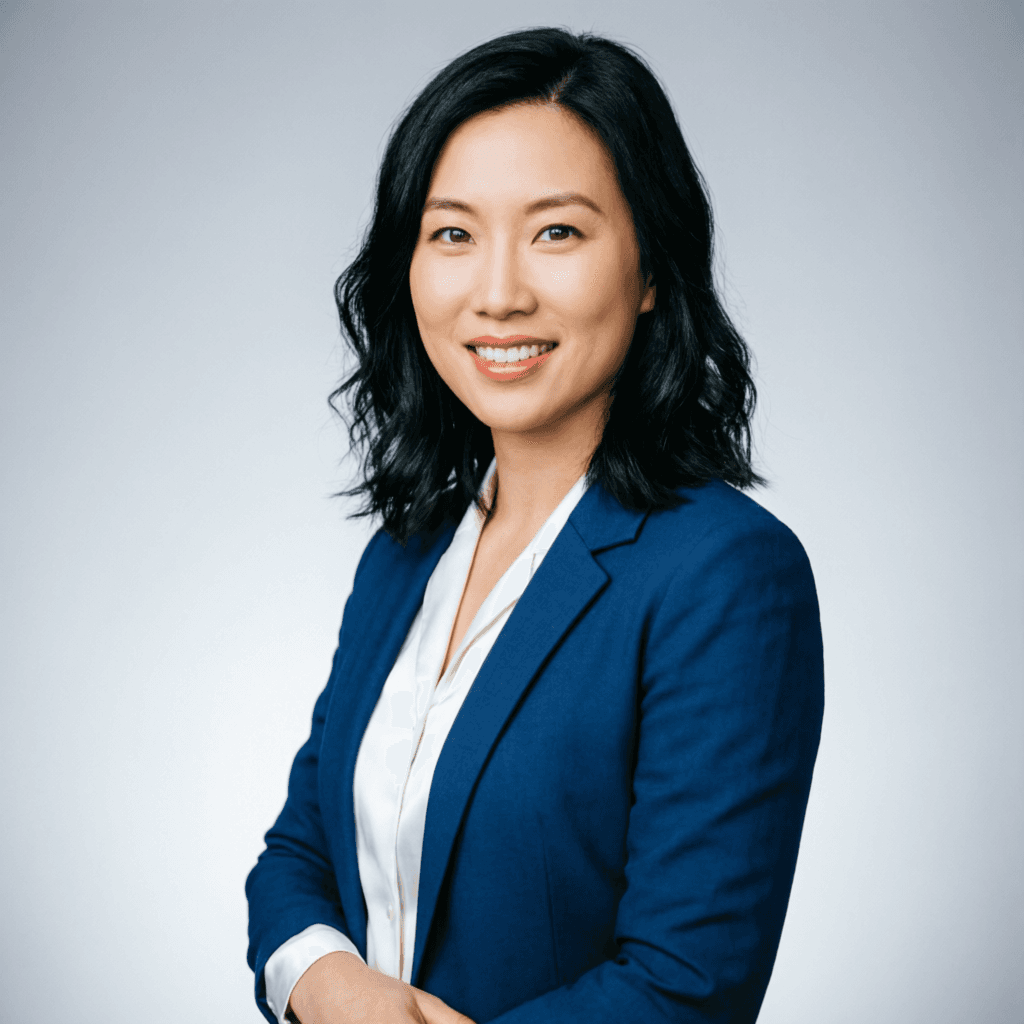
Sarah Lin

Sarah Lin

Senior Medical Travel Coordinator

8 years coordinating international patient care in Beijing and Shanghai.

My Autoimmune Disease Has "No Cure" — Can Integrative Medicine Actually Help?

Quick Answer / 快速摘要: "No cure" does not mean "no meaningful improvement." China's major hospitals operate integrated rheumatology programs where conventional immunosuppression is combined with evidence-based Traditional Chinese Medicine — including specific herbal formulas studied in clinical trials for lupus, rheumatoid arthritis, and multiple sclerosis — producing deeper remission, fewer flares, and reduced medication burden for patients whose conventional treatment alone has not reached these goals.

Key Facts / 核心事实

  • Autoimmune diseases involve not only immune dysregulation but also chronic inflammation, gut microbiome disruption, mitochondrial dysfunction, and impaired regulatory T-cell function — mechanisms that conventional immunosuppression addresses only partially.
  • A multi-center RCT published in the Journal of Ethnopharmacology found that TCM herbal formulas as adjuncts to standard SLE therapy significantly reduced SLEDAI scores, enabled steroid dose reduction, and lowered flare frequency.
  • Beijing Hospital of TCM's rheumatology department handles over 80,000 autoimmune disease visits annually, providing exceptional clinical depth for complex and refractory cases.
  • Modern pharmacological research has identified immunomodulatory polysaccharides, anti-inflammatory triterpenoids, and antioxidant flavonoids in TCM herbs that target specific immune pathways impaired in autoimmune disease.
  • The integrative model is designed to work alongside conventional medication — not replace it — with the goal of improving disease control and potentially reducing medication doses over time.

You were told on the day of your diagnosis: "There is no cure for [lupus / multiple sclerosis / rheumatoid arthritis]. We can manage it." And then began the cycle — prednisone, methotrexate, hydroxychloroquine, biologics. Maybe you've been through two biologics. Maybe three. Maybe the latest one is kind of working but you're exhausted, your joints still ache on bad days, your lab markers are still elevated, and you can feel the disease simmering beneath the surface even when your rheumatologist says your labs "look stable."

So you sit in the dark and search: "autoimmune disease no cure options," "lupus treatment alternatives," "MS integrative treatment." You're not looking for a miracle. You're looking for something more.

This article is written for the autoimmune patient who has been managed but not well. Who has accepted the diagnosis but not the ceiling. Who wants to know: when the medical system says "no cure," does that also mean "no meaningful improvement beyond what you're already getting"?

It doesn't. And an integrative approach to autoimmune disease — one that combines the best of modern immunology with evidence-based Traditional Chinese Medicine — is producing clinical outcomes that deserve serious attention.

Why Some Autoimmune Patients Achieve Deeper Remission Than Others

Autoimmune diseases — whether systemic lupus erythematosus (SLE), rheumatoid arthritis (RA), multiple sclerosis (MS), or the dozens of others — share a fundamental problem: the immune system has lost its ability to distinguish self from non-self and is attacking the body's own tissues.

Conventional treatment addresses this by broadly suppressing immune activity. Corticosteroids, disease-modifying antirheumatic drugs (DMARDs), and biologics each target different components of the immune cascade. These treatments have transformed outcomes for many patients, and they should not be dismissed.

But here is what an increasing body of research is revealing: autoimmune disease involves not only immune dysregulation, but also chronic low-grade inflammation, gut microbiome disruption, mitochondrial dysfunction, oxidative stress, and in many cases, impaired regulatory T-cell (Treg) function. Conventional immunosuppression addresses some of these mechanisms but not all.

Patients who achieve deeper, more sustained remission often do so through approaches that target multiple mechanisms simultaneously — reducing inflammatory burden, supporting immune regulation (not just suppression), and addressing the systemic terrain in which autoimmunity develops.

This multi-target approach is exactly what integrative medicine in Chinese hospitals is designed to deliver.

China's Integrated Autoimmune Disease Model

China has a unique advantage in autoimmune disease management: it operates large-scale hospital systems where rheumatologists and TCM physicians work within the same institution, treating the same patients with coordinated protocols. This is not theoretical — it is the standard of care at major hospitals.

Beijing Hospital of Traditional Chinese Medicine (北京中医医院)

Affiliated with Capital Medical University, this hospital's rheumatology department is one of the most established integrated autoimmune disease programs in China. The department treats over 80,000 outpatient visits annually for autoimmune and rheumatic diseases. Treatment protocols for SLE, RA, and related conditions combine conventional DMARDs and biologics with TCM syndrome-differentiated herbal medicine, with specific formulas selected based on the patient's presenting pattern.

The hospital has published extensively in PubMed-indexed journals on TCM adjunctive therapy for autoimmune disease, including clinical trials on herbal formulas for lupus nephritis and RA joint destruction.

Guangdong Provincial Hospital of Chinese Medicine (广东省中医院)

With over 4.5 million annual outpatient visits, this hospital operates a dedicated rheumatology division that integrates conventional immunosuppression with TCM herbal medicine, acupuncture, and external therapies. The hospital's autoimmune disease patient volume is among the highest of any single institution globally, providing physicians with exceptional clinical experience in managing complex, refractory cases.

The hospital has been a lead investigator in multiple national-level clinical trials on TCM formulas for systemic lupus erythematosus, rheumatoid arthritis, and Sjogren's syndrome, with results published in both Chinese and international peer-reviewed journals.

Xiyuan Hospital (西苑医院)

Affiliated with the China Academy of Chinese Medical Sciences, Xiyuan Hospital's rheumatology and immunology department specializes in integrating modern immunological assessment with TCM pattern diagnosis. The hospital treats approximately 1.8 million outpatients annually and has particular expertise in using herbal immunomodulators as adjunctive therapy for patients whose autoimmune disease is incompletely controlled by conventional medication alone.

TCM Herbal Formulas for Autoimmune Disease: Specific Evidence

This is where the research gets specific. Several TCM herbal formulas have been studied in clinical trials for autoimmune disease, with results published in PubMed-indexed journals:

Qingre Jiedu Formula (清热解配方) for Systemic Lupus Erythematosus

The Qingre Jiedu ("Clear Heat and Resolve Toxin") approach is one of the most-studied TCM strategies for active SLE. The underlying TCM rationale is that active lupus flares often present with a pattern of "Heat Toxin" (Re Du) — characterized by fever, malar rash, oral ulcers, and elevated inflammatory markers.

A multi-center randomized controlled trial published in the Journal of Ethnopharmacology (a PubMed-indexed journal) evaluated the Qingre Jiedu herbal formula as an adjunct to standard prednisone and hydroxychloroquine therapy in patients with moderate-to-severe SLE. Key findings:

  • Patients receiving the integrated protocol showed significantly greater reduction in SLEDAI (Systemic Lupus Erythematosus Disease Activity Index) scores compared to standard therapy alone at 24 weeks
  • Steroid-sparing effect: the integrated group was able to reduce prednisone doses more rapidly and to lower maintenance doses
  • Reduced flare frequency over the 12-month follow-up period
  • Improvements in complement levels (C3, C4) and anti-dsDNA antibody titers were more pronounced in the integrated group

Xuanbi Tongluo Formula (宣痹通络方) for Rheumatoid Arthritis

This formula, designed to "disperse impediment and unblock the collaterals" in TCM terminology, is used for RA patients with joint pain, swelling, and stiffness. It commonly includes Qinjiao (Radix Gentianae Macrophyllae), Fangfeng (Radix Saposhnikoviae), Yiyiren (Semen Coicis), and Haifengteng (Caulis Piperis Futokadsurae).

A randomized controlled trial published in the Chinese Journal of Integrative Medicine found that Xuanbi Tongluo formula, when used alongside methotrexate, produced:

  • Greater improvement in DAS28 (Disease Activity Score in 28 joints) compared to methotrexate alone
  • Significant reduction in ESR and CRP inflammatory markers
  • Lower incidence of methotrexate-related hepatotoxicity in the integrated group, suggesting a hepatoprotective effect
  • Improvements in patient-reported outcomes including morning stiffness duration and grip strength

Yiqi Huoxue Formula (益气活血方) for Multiple Sclerosis

This "Tonify Qi and Invigorate Blood" approach has been studied as adjunctive therapy for relapsing-remitting MS. A clinical study published in the Journal of Traditional Chinese Medicine (PubMed-indexed) evaluated Yiqi Huoxue herbal protocol alongside standard disease-modifying therapy in patients with RRMS. The study reported:

  • Reduced annual relapse rate in the integrated group compared to DMT alone
  • Improvements in Expanded Disability Status Scale (EDSS) scores over 24 months
  • Reduction in fatigue scores (measured by Modified Fatigue Impact Scale)
  • Modulation of inflammatory cytokine profiles: reductions in pro-inflammatory IL-17 and TNF-α levels, with increases in anti-inflammatory IL-10

TCM Immune Modulation: The Mechanism Behind the Herbs

The clinical results described above are not random or anecdotal — they reflect identifiable pharmacological mechanisms. Modern pharmacological research on TCM herbs used in autoimmune disease has identified several categories of active compounds:

Immunomodulatory polysaccharides: Herbs such as Huangqi (Astragalus membranaceus) and Lingzhi (Ganoderma lucidum) contain high-molecular-weight polysaccharides that have been shown in vitro and in animal models to modulate macrophage function, promote Treg differentiation, and regulate Th1/Th2 balance — the precise immune regulatory functions that are impaired in autoimmune disease.

Anti-inflammatory triterpenoids: Leigongteng (Tripterygium wilfordii, Thunder God Vine) contains triptolide and celastrol, potent anti-inflammatory compounds that inhibit NF-κB signaling — a central inflammatory pathway. Celastrol is currently in clinical trials in the United States as a potential treatment for obesity-related inflammation, illustrating the cross-tradition relevance of these compounds.

Antioxidant flavonoids: Huangqin (Scutellaria baicalensis) contains baicalin and baicalein, flavonoids with documented antioxidant and anti-inflammatory properties that reduce oxidative stress — a contributor to tissue damage in chronic autoimmune disease.

Research groups at the China Academy of Chinese Medical Sciences and at Peking University have published extensively on the molecular pharmacology of these compounds in journals including Phytomedicine, Journal of Ethnopharmacology, and Frontiers in Pharmacology.

The Volume Advantage: Why Patient Numbers Matter in Autoimmune Disease

Autoimmune disease is heterogeneous. Two patients with the same diagnosis (say, SLE) can have vastly different clinical presentations, different organ involvement, different treatment responses, and different complication profiles. Managing this complexity well requires experience — specifically, experience with large numbers of patients across the full spectrum of disease presentations.

The patient volumes at major Chinese autoimmune disease centers are exceptional:

  • Guangdong Provincial Hospital of Chinese Medicine: Over 4.5 million annual outpatient visits, with its rheumatology division handling a high proportion of autoimmune disease cases, including complex and refractory presentations
  • Xiyuan Hospital: Approximately 1.8 million annual outpatients, with dedicated autoimmune disease clinics seeing patients referred from across China
  • Beijing Hospital of Traditional Chinese Medicine: Over 2 million annual outpatients, with a rheumatology department that handles more than 80,000 autoimmune disease visits per year

For patients with autoimmune disease, this volume translates into clinical teams that have seen — and successfully managed — the full range of disease presentations, treatment responses, medication interactions, and complication patterns. When your case is complex or has not responded to standard protocols, this depth of experience is a meaningful advantage.

Why Can't I Access This Integrative Approach in the US?

The American rheumatology system is among the best in the world for conventional autoimmune disease management. Access to biologics, advanced imaging, and subspecialist consultation is excellent for insured patients.

However, the structural separation between conventional and complementary medicine creates a gap:

  • Rheumatologists prescribe immunosuppressive and immunomodulatory medications but typically have no training in and do not incorporate herbal medicine
  • Integrative medicine physicians in the US may recommend supplements, dietary changes, and mind-body approaches, but generally do not prescribe individualized herbal formulas or coordinate closely with rheumatologists
  • Acupuncture for autoimmune-related symptoms (fatigue, pain, neuropathy) is accessed independently and is rarely integrated into the rheumatology treatment plan
  • Herbal medicine as practiced in TCM — complex, multi-herb formulas tailored to individual immune patterns — has minimal presence in mainstream American medical settings

The result is that American autoimmune patients typically receive either conventional immunosuppression alone, or conventional treatment plus disconnected complementary approaches. The coordinated, hospital-based integrative model — where herbal immunomodulators, acupuncture, and conventional DMARDs are prescribed by physicians working within the same clinical system — is not currently available at scale in the United States.

The Standard Western Path for Autoimmune Disease: What It Offers and Where It Stops

For context, the conventional autoimmune disease treatment trajectory typically looks like this:

  1. Diagnosis: Based on clinical presentation, serology (ANA, RF, anti-CCP, etc.), imaging, and sometimes biopsy
  2. First-line treatment: Hydroxychloroquine (for SLE), methotrexate (for RA), or disease-modifying therapy (for MS)
  3. Escalation: Addition of corticosteroids for flares; if inadequate response, addition of a biologic agent (TNF inhibitors, IL-6 inhibitors, B-cell depleting agents, JAK inhibitors)
  4. Biologic cycling: If the first biologic fails or loses efficacy, switching to a different mechanism of action
  5. Long-term management: Chronic immunosuppression, monitoring for disease activity, managing medication side effects (infections, hepatotoxicity, bone density loss from steroids)
  6. The ceiling: For many patients, this approach achieves disease control but not full remission. Residual symptoms — fatigue, low-grade inflammation, medication side effects, progressive organ damage — persist

At this ceiling, patients are often told that their disease is "as well-controlled as it can be." For many, this is not good enough.

The integrative model does not replace this pathway — it builds on it, adding tools that address residual inflammation, immune dysregulation, and the systemic factors that conventional immunosuppression does not reach.

What to Know Before You Consider Medical Travel for Autoimmune Disease

Duration of stay: Initial assessment and treatment initiation at Chinese rheumatology departments typically requires 3-4 weeks. Ongoing herbal formulas can be continued at home with remote follow-up.

Medical records: Bring complete records including all serological test results (ANA profiles, complement levels, cytokine panels if available), imaging, biopsy reports, medication history, and a timeline of disease flares and treatments.

Do not stop your current medication: The integrative model is designed to work alongside conventional immunosuppression, not replace it. TCM herbal formulas are prescribed as adjunctive therapy with the goal of improving disease control, reducing flares, and potentially reducing conventional medication doses over time under physician supervision.

Language: Major hospitals have international patient services, but working with a coordination service ensures smoother communication, particularly for complex medical histories.

Individual results vary: Autoimmune disease is highly variable, and treatment response depends on the specific diagnosis, disease duration, organ involvement, and individual immune profile. No treatment approach — conventional or integrative — guarantees remission for every patient.

What OrientHealthLink Does for Autoimmune Disease Patients

OrientHealthLink connects patients with chronic autoimmune conditions to integrated treatment programs at leading Chinese hospitals. For autoimmune patients specifically, we:

  • Review your complete medical history, serological profile, and treatment record
  • Match you with the Chinese hospital rheumatology department that has the most relevant experience for your specific autoimmune diagnosis
  • Coordinate appointment scheduling, medical records transfer, and interpreter services
  • Provide pre-travel guidance on treatment expectations, preparation, and post-treatment continuity
  • Facilitate communication between your Chinese treatment team and your home rheumatologist

We do not provide medical treatment. We coordinate access to physicians and hospital programs that do — and we help ensure the process is organized, transparent, and focused on your clinical outcomes.

A Realistic Note on "No Cure"

When your rheumatologist says "there is no cure" for your autoimmune disease, they are speaking within the framework of conventional medicine — and within that framework, they are correct. There is currently no treatment, in any medical tradition, that permanently eliminates autoimmune disease.

But "no cure" is not the same as "no meaningful improvement." Deeper remission. Fewer flares. Lower inflammatory markers. Reduced medication burden. Less fatigue. Better quality of life. These are achievable outcomes, and the integrative model practiced at Chinese hospitals is producing evidence that they are achievable for patients whose conventional treatment alone has not reached these goals.

The question is not whether autoimmune disease can be cured — it is whether your current level of disease control is the best you can achieve. For many patients, the answer to that question is no.

Your Free Medical Match Report

If you are living with an autoimmune disease that remains incompletely controlled despite conventional treatment, you deserve to know what integrative options exist.

OrientHealthLink offers a free Medical Match Report that reviews your autoimmune diagnosis, your treatment history, and matches you with specific hospitals and physicians in China who treat patients with your condition using integrated protocols.

Get Your Free Medical Match Report

If you are living with an autoimmune disease that remains incompletely controlled despite conventional treatment, you deserve to know what integrative options exist. OrientHealthLink offers a free, no-obligation Medical Match Report that reviews your condition and matches you with specific hospitals and physicians in China.

Get Your Free Medical Match Report →

No obligation. No pressure. Just information about your options.

Disclaimer: This article is for informational purposes only and does not constitute medical advice. The hospitals, treatments, clinical trials, and research cited are described for educational purposes. Individual results vary. Patients should not discontinue or alter their prescribed autoimmune disease medication without consulting their treating physician. OrientHealthLink is a medical coordination service and does not provide direct medical care. Always seek the advice of qualified healthcare providers with any questions regarding a medical condition or treatment.

autoimmune disease no cure optionslupus treatment alternativesMS integrative treatmentrheumatoid arthritis TCMintegrative autoimmune treatmentQingre Jiedu lupusXuanbi Tongluo rheumatoid arthritis
Share:

Stay Informed on Medical Travel

Get our free guide + weekly insights from medical tourism experts delivered to your inbox.

Related Service

Ready to take the next step?

Discover integrative TCM treatments and chronic condition management programs tailored for international patients.

Explore TCM & Chronic Condition Care

Ready to explore healthcare in China?

Contact us for a free consultation. Our expert team will create a personalized medical travel plan just for you.

Start Free →
Back to Blog