1(520)244-6200|International Medical Coordination · Beijing
中文Sign InStart Free →
OrientHealthLink
OrientHealthInternational Care
HomeHealth ScreeningSurgery & TreatmentChronic ConditionsDisease TreatmentOur HospitalsPricingBlogContact
Start Free →Cost calculator · Patient stories · No card

Get Your Free Medical Tourism Guide

Download our comprehensive guide + receive expert tips weekly

OrientHealthLink

International Medical Coordination · Based in Beijing

"We coordinate with hospitals — not for commissions."

Quick Links

How It WorksOur HospitalsChronic ConditionsSafetyPricingMembershipBlogContactPartner with Us

Contact

info@orienthealthlink.com1(520)244-6200

Beiqijia, Changping District, Beijing, China

Medical Disclaimer: OrientHealthLink is a medical travel coordination service provider, not a healthcare institution. The content on this website is for general informational purposes only and does not constitute medical advice, diagnosis, or treatment recommendations. We do not provide medical diagnosis, treatment advice, or health assessments of any kind. All medical decisions should be made in consultation with qualified, licensed physicians. TCM therapies mentioned on this site may vary in effectiveness by individual; descriptions are based on traditional TCM theory and do not guarantee specific outcomes. Cross-border medical travel involves complex legal and health considerations — we recommend consulting professional legal and medical advisors before making decisions.

Copyright © 2026 OrientHealthLink. All rights reserved.

Terms & ConditionsPrivacy Policy
Back to Blog
Treatment2026-03-0410 min read

Cancer Treatment in China: TCM + Western Integrative Approach

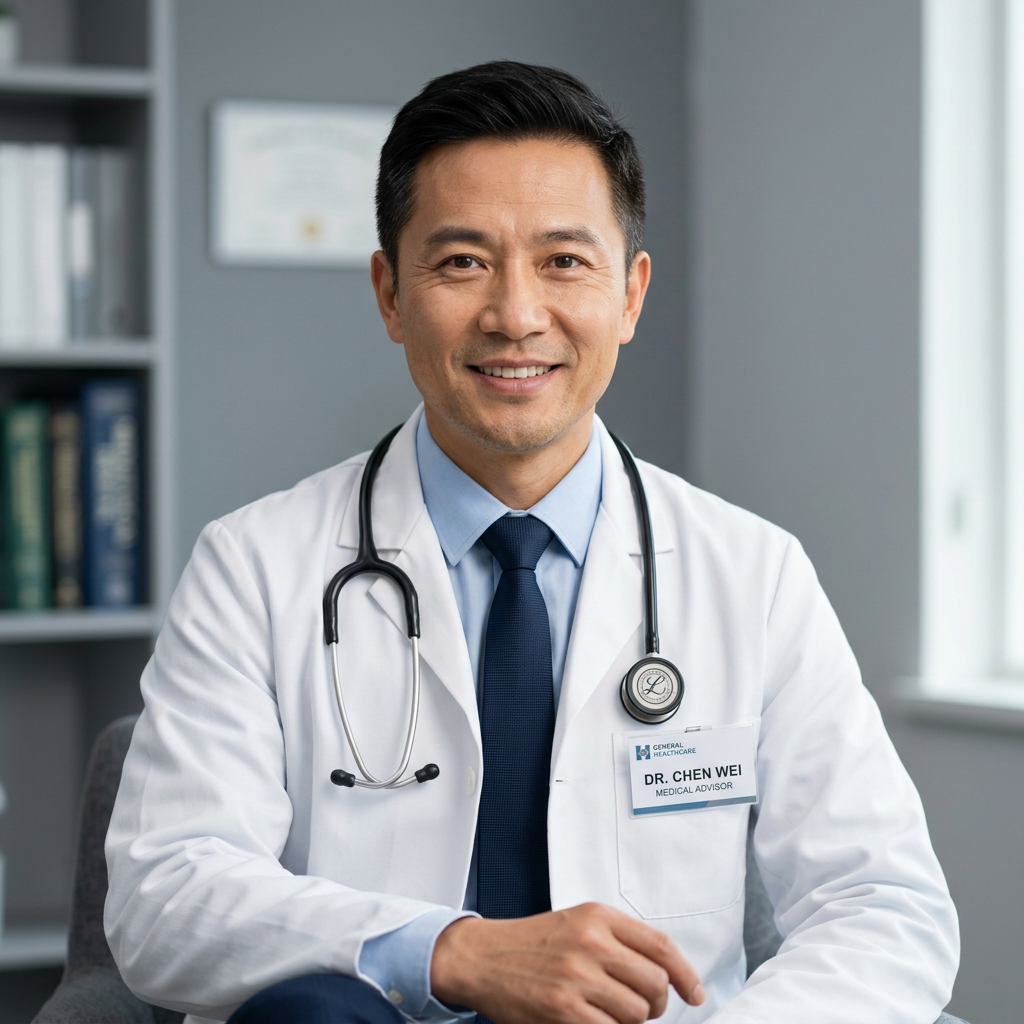
Dr. Chen Wei

Dr. Chen Wei

Medical Advisor

Former attending physician at PUMCH International Department.

Cancer Treatment in China: How TCM + Western Medicine Creates an Integrative Approach

Cancer is a global challenge, and no single medical tradition has all the answers. But what if the most effective approach combines the best of both worlds? In China, that question is not theoretical -- it is the foundation of a treatment philosophy practiced every day in the country's leading oncology departments. Chinese hospitals uniquely blend evidence-based Western oncology (surgery, chemotherapy, radiation, and immunotherapy) with Traditional Chinese Medicine (TCM) supportive care to create an integrative approach that aims to treat the cancer, support the patient's body, and improve quality of life throughout the treatment journey.

This integrative model is attracting growing international attention. For patients who have exhausted conventional options, for those struggling with debilitating side effects from chemotherapy, or for anyone seeking a more holistic approach to cancer care, China's integrative oncology offers something that few other healthcare systems can match: a seamless fusion of two powerful medical traditions under one roof.

What Is Integrative Oncology?

Integrative oncology is the evidence-informed combination of conventional cancer treatments with complementary therapies that have demonstrated safety and efficacy. The goal is not to replace proven Western treatments but to enhance their effectiveness and reduce their side effects.

In most Western countries, integrative oncology exists on the margins. A patient might seek acupuncture independently or take herbal supplements without their oncologist's knowledge. In China, the integration is formalized, coordinated, and embedded in hospital protocols. TCM oncologists work alongside surgical oncologists, medical oncologists, and radiation oncologists as part of a unified treatment team. For a broader introduction to what TCM therapies involve and how they are practiced, see our guide on authentic TCM treatment in China. This collaborative model ensures that every complementary therapy is coordinated with the primary treatment plan, minimizing conflicts and maximizing synergy.

How Chinese Hospitals Combine Western and TCM Cancer Treatments

The Western Foundation

Chinese oncology departments employ the full arsenal of modern cancer treatment:

  • Surgery: Chinese surgical oncologists perform high-volume, technically advanced procedures including minimally invasive robotic surgery, complex hepatobiliary resections, and precision neurosurgical interventions.
  • Chemotherapy: Standard chemotherapy protocols follow international guidelines (NCCN, ESMO) and use the same pharmaceutical agents available in the United States and Europe.
  • Radiation therapy: Leading hospitals are equipped with the latest technology, including intensity-modulated radiation therapy (IMRT), stereotactic body radiation therapy (SBRT), and proton therapy at select centers.
  • Immunotherapy: China has been at the forefront of immunotherapy development, with domestically developed PD-1 and PD-L1 checkpoint inhibitors as well as access to international drugs. CAR-T cell therapy is available at multiple centers, and China has approved several CAR-T products.
  • Targeted therapy: Molecular profiling and genomic testing guide the use of targeted therapies tailored to individual tumor characteristics.

The TCM Enhancement

Layered on top of this Western foundation, TCM interventions are prescribed to:

  1. Reduce treatment side effects -- mitigating nausea, fatigue, neuropathy, and immune suppression caused by chemotherapy and radiation.
  2. Support immune function -- using herbal formulations that have been shown in clinical studies to modulate immune response during and after treatment.
  3. Manage pain -- employing acupuncture and herbal medicine as complementary pain management strategies.
  4. Improve quality of life -- addressing sleep disturbances, appetite loss, anxiety, and depression that commonly accompany cancer treatment.
  5. Support recovery -- accelerating post-surgical healing and helping patients regain strength between treatment cycles. For more on post-treatment care, see our guide to recovery and rehabilitation in China.

Specific TCM Practices Used in Cancer Care

Herbal Medicine (Zhong Yao)

Chinese herbal medicine is the cornerstone of TCM cancer support. Oncology-specific herbal formulations are prescribed based on the patient's individual constitution, cancer type, and treatment phase. These are not generic supplements; they are customized prescriptions prepared by TCM oncologists with specialized training.

Key applications:

  • Reducing chemotherapy-induced nausea and vomiting: Formulations containing ginger (Sheng Jiang), Pinellia (Ban Xia), and Poria (Fu Ling) have demonstrated antiemetic effects in clinical trials.
  • Mitigating bone marrow suppression: Herbal formulas containing Astragalus (Huang Qi) and Angelica (Dang Gui) are widely used to support white blood cell counts during chemotherapy, with multiple randomized controlled trials supporting their efficacy.
  • Reducing radiation-induced oral mucositis: Topical herbal rinses and internal formulations help manage the painful mouth sores that affect many head and neck cancer patients undergoing radiation.
  • Liver protection during chemotherapy: Formulations containing Schisandra (Wu Wei Zi) and Milk Thistle-like compounds are prescribed to protect liver function during hepatotoxic chemotherapy regimens.

Important safety note: All herbal prescriptions in a properly integrated oncology setting are reviewed for potential interactions with Western medications. This is a critical advantage of receiving TCM within the hospital system rather than independently -- the TCM oncologist has full access to the patient's treatment protocol and can avoid contraindicated combinations.

Acupuncture (Zhen Jiu)

Acupuncture has become one of the most widely researched and internationally accepted complementary cancer therapies. In Chinese oncology departments, acupuncture is used for:

  • Chemotherapy-induced nausea and vomiting (CINV): The evidence base for acupuncture in managing CINV is robust, and it is recognized by the American Society of Clinical Oncology (ASCO) as a complementary approach.
  • Cancer-related pain: Acupuncture has been shown to reduce pain intensity and decrease reliance on opioid medications in cancer patients.
  • Peripheral neuropathy: Chemotherapy-induced peripheral neuropathy (CIPN) is one of the most debilitating long-term side effects of certain chemotherapy drugs. Acupuncture has shown promise in reducing symptoms.
  • Cancer-related fatigue: Multiple meta-analyses have found acupuncture effective in reducing cancer-related fatigue, one of the most common and distressing symptoms reported by patients.
  • Insomnia and anxiety: Acupuncture protocols targeting sleep quality and emotional well-being are routinely used in Chinese cancer wards.

Moxibustion (Ai Jiu)

Moxibustion involves burning dried mugwort (Artemisia argyi) near specific acupuncture points to generate warmth and stimulate healing. In cancer care, it is used to:

  • Boost immune function during chemotherapy.
  • Alleviate chemotherapy-induced cold sensitivity and fatigue.
  • Support digestive function.

Qi Gong and Tai Chi

These mind-body practices combine gentle movement, breathing exercises, and meditation. Chinese hospitals frequently incorporate Qi Gong into cancer rehabilitation programs:

  • During treatment: Gentle Qi Gong exercises help maintain physical function and reduce fatigue.
  • Post-treatment recovery: Structured Qi Gong programs have been associated with improved immune markers, reduced anxiety, and better overall quality of life in cancer survivors.
  • Research support: A growing body of clinical evidence, including randomized controlled trials published in journals such as the Journal of Clinical Oncology, supports the benefits of Qi Gong for cancer patients.

Tuina Massage (Tui Na)

Medical massage techniques are used to manage pain, reduce lymphedema, improve circulation, and alleviate stress. In cancer care, Tuina is applied carefully and is contraindicated directly over tumor sites, but can be highly effective for managing musculoskeletal pain and treatment-related discomfort.

Spotlight: Guang'anmen Hospital's TCM Oncology Department

The Guang'anmen Hospital, affiliated with the China Academy of Chinese Medical Sciences in Beijing, houses one of the world's most renowned TCM oncology departments. Established in the 1970s, this department has been a pioneer in integrative cancer research and treatment for over five decades.

Key Achievements

  • Clinical volume: The department treats thousands of cancer patients annually, with a focus on lung, breast, colorectal, gastric, and liver cancers.
  • Research output: Guang'anmen's TCM oncology team has published hundreds of peer-reviewed studies on integrative cancer treatment, including randomized controlled trials that have been cited in international oncology literature.
  • Signature protocols: The department has developed proprietary herbal formulations for specific cancer types, many of which have undergone rigorous clinical testing and are now used in TCM oncology departments across China.
  • International recognition: Guang'anmen regularly hosts visiting scholars and physicians from around the world and has collaborative research agreements with institutions in the United States, Europe, Japan, and South Korea.

The Patient Experience at Guang'anmen

International patients at Guang'anmen receive a dual assessment: a Western oncological evaluation (including imaging, lab work, and staging) and a TCM constitutional assessment (pulse diagnosis, tongue diagnosis, and a detailed symptom review). The two assessments are synthesized into a unified treatment plan that addresses both the disease and the patient's overall condition.

Clinical Research Supporting Integrative Approaches

The integrative model is not based on tradition alone. A substantial and growing body of clinical evidence supports the use of TCM in cancer care:

Key Research Findings

  • Astragalus-based formulations and chemotherapy: A meta-analysis published in the Journal of Clinical Oncology reviewed 34 randomized trials involving over 2,800 patients and found that Astragalus-based herbal formulations, when used alongside platinum-based chemotherapy for non-small cell lung cancer, were associated with improved tumor response rates and reduced toxicity.
  • Acupuncture for CINV: A Cochrane systematic review of acupuncture for chemotherapy-induced nausea found significant benefits compared to standard antiemetic treatment alone.
  • TCM and survival outcomes: Several large-scale retrospective studies from Chinese cancer registries have reported that patients who received integrated TCM and Western treatment had improved five-year survival rates compared to those who received Western treatment alone, particularly in gastric and colorectal cancers. While retrospective data must be interpreted cautiously, the consistency of findings has prompted multiple prospective trials.
  • Quality of life improvements: Randomized trials consistently show that cancer patients receiving integrated TCM supportive care report better quality of life scores, including reduced fatigue, improved appetite, better sleep, and lower anxiety levels.

Ongoing Research

China's National Natural Science Foundation and the National Health Commission fund extensive research into integrative oncology. Current areas of active investigation include:

  • The mechanisms by which specific herbal compounds enhance immunotherapy response.
  • Optimal acupuncture protocols for managing immune-related adverse events from checkpoint inhibitors.
  • The role of gut microbiome modulation through TCM herbal medicine in improving chemotherapy outcomes.
  • Biomarker-guided TCM prescriptions that match herbal formulations to individual patient profiles.

Cost Comparison: Integrative Treatment in China vs. Western-Only Treatment

Cost is a significant consideration for cancer patients, and China's integrative model offers meaningful savings:

Treatment ComponentChina (Approximate)United States (Approximate)
Comprehensive diagnostic workup$500 -- $2,000$3,000 -- $10,000
Chemotherapy (per cycle)$500 -- $3,000$5,000 -- $30,000+
Immunotherapy (per cycle)$1,000 -- $5,000$10,000 -- $30,000+
Radiation therapy (full course)$3,000 -- $10,000$20,000 -- $80,000+
Major surgical procedure$5,000 -- $20,000$30,000 -- $100,000+
TCM supportive care (per month)$200 -- $800Not typically available in hospitals
Acupuncture (per session)$15 -- $40$75 -- $200

The cost advantage is substantial, but the unique value proposition of Chinese cancer care extends beyond price. The integrated TCM component, which would be difficult or impossible to access in a coordinated hospital setting in most Western countries, is included as a standard part of the treatment protocol at leading Chinese hospitals.

Patient Outcomes and What International Patients Can Expect

Outcomes Data

Published data from major Chinese cancer centers show outcomes that are competitive with international benchmarks:

  • Five-year survival rates for common cancers at top Chinese hospitals (lung, breast, colorectal, gastric) are approaching or matching those reported by leading cancer centers in the United States and Europe.
  • Quality of life scores during treatment tend to be higher for patients receiving integrated care, reflecting the impact of TCM in managing side effects.
  • Treatment completion rates (the percentage of patients who complete their full prescribed chemotherapy course without dose reductions or delays due to side effects) are reported to be higher among patients receiving concurrent TCM supportive care.

The International Patient Experience

International patients seeking integrative cancer treatment in China can expect:

  • A thorough diagnostic evaluation that may include genomic profiling, advanced imaging, and both Western and TCM assessments.
  • A personalized treatment plan developed by a multidisciplinary team.
  • Access to the latest Western oncology treatments, including immunotherapy and targeted therapy.
  • Coordinated TCM support throughout treatment.
  • International patient department services including English-speaking coordinators, translated medical reports, and assistance with logistics.

Is Integrative Cancer Treatment in China Right for You?

This approach may be worth exploring if:

  • You are seeking a comprehensive cancer treatment plan that addresses both the disease and your overall well-being.
  • You are interested in reducing the side effects of chemotherapy, radiation, or immunotherapy through evidence-based complementary therapies.
  • You have been diagnosed with a cancer type where Chinese hospitals have particular expertise (lung, liver, gastric, colorectal, nasopharyngeal, breast).
  • You are open to incorporating TCM into your treatment plan under the guidance of qualified oncologists.
  • You are looking for high-quality cancer care at a significantly lower cost than in the United States or Western Europe.

It may not be the right fit if:

  • Your oncologist at home has identified a highly specialized clinical trial that is only available in your country.
  • Your cancer requires ongoing, long-term treatment that would make extended stays in China impractical (though some patients choose to receive initial treatment in China and continue maintenance therapy at home).
  • You are not comfortable with the concept of integrative medicine.

How OrientHealthLink Facilitates Integrative Cancer Care

Cancer treatment is among the most complex and sensitive medical tourism scenarios. OrientHealthLink provides specialized oncology coordination services:

  • Case evaluation: Your medical records are reviewed by oncology specialists at multiple top Chinese hospitals to determine the best treatment match.
  • Multidisciplinary team coordination: OrientHealthLink ensures that both Western and TCM oncologists are involved in your treatment planning from the outset.
  • Medical record translation: Accurate, certified translation of pathology reports, imaging results, and treatment histories.
  • Treatment cost estimates: Detailed, transparent cost breakdowns before you commit to travel.
  • Visa and logistics support: Hospital invitation letters, travel coordination, and accommodation near your treating hospital.
  • On-the-ground support: Bilingual medical liaisons who attend appointments, translate physician consultations, and ensure you understand every aspect of your care.
  • Post-treatment continuity: Coordination with your home oncology team, including translated treatment summaries and follow-up care planning.

If you or a loved one is exploring cancer treatment options and would like to understand what China's integrative approach might offer, OrientHealthLink provides a complimentary initial case review.

Final Thoughts

China's integrative approach to cancer treatment represents a compelling model that the rest of the world is beginning to notice. By combining the precision and power of modern Western oncology with the patient-centered, holistic philosophy of Traditional Chinese Medicine, Chinese hospitals offer a cancer care experience that treats the whole person, not just the disease. The clinical evidence supporting this approach is growing, the cost advantages are significant, and the patient outcomes are competitive with the world's best cancer centers.

For international patients willing to explore this path, the potential benefits are substantial: more effective management of treatment side effects, improved quality of life during therapy, and access to a depth of integrative expertise that simply does not exist in most Western hospital systems. To learn which institutions lead in cancer care, see our top 10 hospitals for international patients.

About OrientHealthLink

OrientHealthLink is a professional medical tourism facilitator connecting international patients with China's leading hospitals and specialists. From initial consultation to post-treatment follow-up, OrientHealthLink provides end-to-end support including hospital matching, medical record translation, visa documentation, travel logistics, and bilingual medical liaison services. Their mission is to make world-class Chinese healthcare accessible, understandable, and stress-free for patients worldwide. Learn more at OrientHealthLink.com.

cancer treatment Chinaintegrative cancer therapyTCM cancer treatment
Share:

Stay Informed on Medical Travel

Get our free guide + weekly insights from medical tourism experts delivered to your inbox.

Related Service

Ready to take the next step?

Advanced treatment programs for serious conditions including cancer, autoimmune diseases, and more.

Explore Disease Treatment Programs

Ready to explore healthcare in China?

Contact us for a free consultation. Our expert team will create a personalized medical travel plan just for you.

Start Free →
Back to Blog