

CAR-T Cell Therapy in China 2026: Cost, Eligibility & How International Patients Access It
At a Glance
- What it treats: mainly relapsed/refractory B-cell blood cancers (e.g. large B-cell lymphoma, some leukaemias, multiple myeloma for select products)
- Approved commercial cost: ~USD 140,000–180,000 per infusion in China vs USD 370,000–500,000 in the US
- Trial-based access: often lower or sponsor-covered, but tightly controlled by eligibility criteria
- Treatment time in China: typically 4–8 weeks including cell collection, bridging, infusion and early monitoring
- Leading centres: top haematology/transplant units in Beijing, Shanghai, Guangzhou and Chengdu
- Biggest caveat: CAR-T is not for everyone — a specialist must confirm your disease type, prior lines of therapy and organ function
If you have a relapsed blood cancer and have already been through standard chemotherapy, CAR-T cell therapy may have come up in conversations with your oncologist. For many families outside China, the next question is blunt: can we afford it, and can we actually get it? China has become one of the few places where both an approved commercial path and an active clinical-trial path exist — but the details matter enormously, and they are easy to get wrong.
What is CAR-T cell therapy, in plain terms?
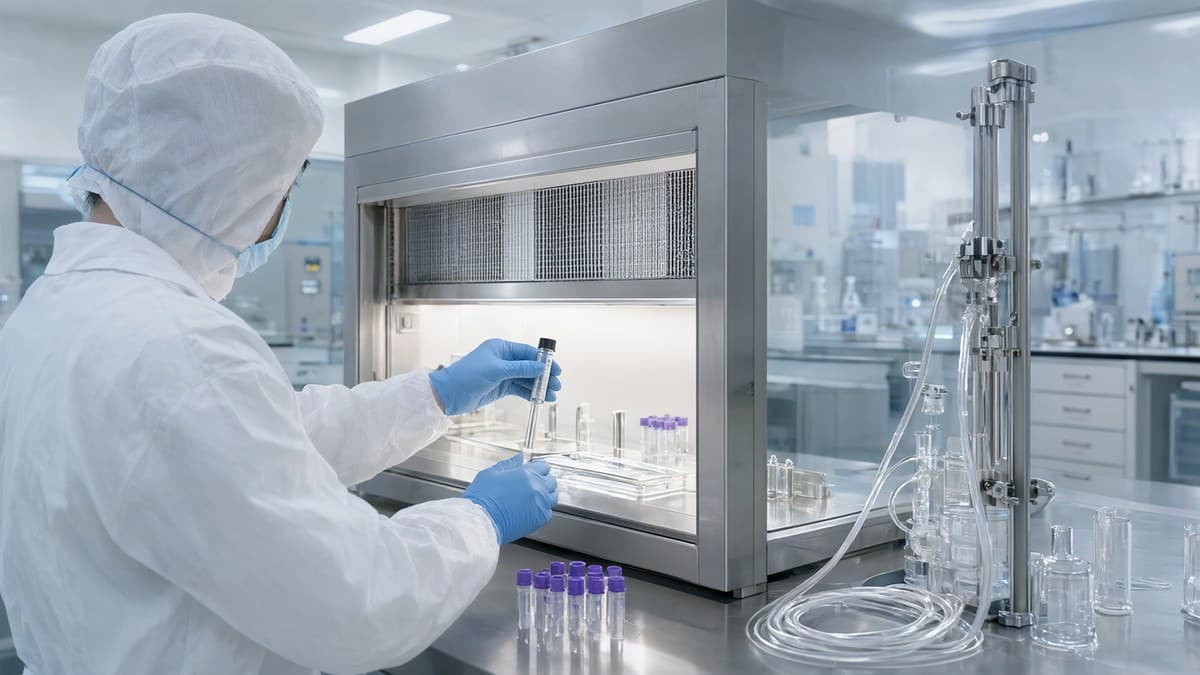
CAR-T (chimeric antigen receptor T-cell) therapy is a personalised treatment. A patient's own T-cells — a type of immune cell — are collected, genetically re-engineered in a laboratory so they can recognise a marker on cancer cells, multiplied, and then infused back. The engineered cells then hunt down and attack the cancer. Because the product is made from the patient's own cells, it is a one-time infusion rather than an ongoing drug, but it requires specialised centres, intensive monitoring and management of side effects such as cytokine release syndrome (CRS) and neurological events.
Who is CAR-T actually for?
CAR-T is not a general cancer treatment. It is used mainly for certain blood cancers after other treatments have failed. Typical candidates include adults with relapsed or refractory diffuse large B-cell lymphoma (DLBCL) and some other B-cell lymphomas, certain B-cell acute lymphoblastic leukaemia (ALL), and — depending on the specific product and approval — multiple myeloma. Solid tumours (lung, stomach, liver and so on) are largely still in the research stage for CAR-T and are usually addressed through clinical trials rather than approved products.
In practice, a specialist will look at three things before saying yes: the exact disease type and marker (for example CD19 or BCMA), the number and type of prior treatments, and your overall fitness — heart, lung, kidney and infection status. Age alone is rarely the deciding factor; organ function and disease control usually matter more.
Is CAR-T available in China?
Yes. China has both routes:
- Commercially approved products. Several CAR-T products are approved in China for specific blood cancers, including CD19-directed products for lymphoma and leukaemia and BCMA-directed products for multiple myeloma. These are delivered at designated hospitals with the expertise to manage collection, manufacturing logistics and side effects.
- Clinical trials. China runs a large number of CAR-T trials, including next-generation and dual-target products, and some sites accept international participants who meet the protocol criteria. Trials can offer access at lower cost or at no product cost, but eligibility is strict and slots are limited.
The practical difference between the two routes is significant: an approved product is a standard clinical service you can be quoted for; a trial is research access that depends on the protocol, the sponsor and whether a site is enrolling.
What does CAR-T cost in China vs the US?
Below are indicative 2026 figures for self-paying international patients. They are estimates, not quotations — the final number depends on the product, the hospital, supportive care, length of stay and complications.
| Item | China (approx.) | United States (list, approx.) |
|---|---|---|
| Approved CAR-T product (per infusion) | USD 140,000–180,000 | USD 370,000–500,000 |
| Hospital / supportive care & monitoring | Often included in package quotes | Frequently billed separately |
| Cell collection (apheresis) & bridging therapy | Varies; confirm per hospital | Billed separately |
| Trial-based product cost | Often sponsor-covered if eligible | Varies by trial |
Two points are worth emphasising. First, the headline product price is only part of the story — supportive care and complication management can change the total. Second, trial access is not simply "cheaper CAR-T": you must meet the protocol, and not every patient will.
Which hospitals in China deliver CAR-T?
CAR-T is concentrated in major academic centres with dedicated haematology, apheresis and intensive-care capability. Families most often look at leading hospitals in Beijing, Shanghai, Guangzhou and Chengdu. What matters far more than the city is whether the specific hospital has experience with your exact disease and product, and whether its international department can coordinate the timeline for a foreign patient. We help match patients to centres based on the disease and product rather than on name recognition alone.
How do international patients access CAR-T in China?
The realistic path usually looks like this:
- Send your records. Diagnosis, pathology, genetic/marker results (e.g. CD19, BCMA), prior treatment history, and recent imaging and blood work.
- Specialist review. A haematologist confirms whether you are a candidate for an approved product or a trial, and flags any issues (infection, organ function, disease burden).
- Route selection. You are advised on approved-product vs trial, with realistic cost and timeline for each.
- Logistics. Medical visa invitation, hospital appointment, cell collection scheduling and accommodation planning.
- Treatment & monitoring. Collection, manufacturing wait (this can take weeks), bridging therapy if needed, infusion, and close monitoring for CRS and neurological side effects.
- Follow-up. Early follow-up in China, then a structured plan for monitoring after you return home.
Honest caveats before you commit
CAR-T is a serious therapy with real risks, and it is not a guaranteed cure. Cytokine release syndrome and neurological side effects can be severe and require experienced intensive care. The manufacturing wait means you may need to stay in China or return for infusion. Not every patient responds, and relapse can occur. Pricing varies by hospital and by whether complications arise. Anyone who promises a fixed outcome or a suspiciously low all-in price without reviewing your records should be treated with caution. A good coordinator will tell you what is not possible as clearly as what is.
Frequently asked questions
Can foreigners get CAR-T in China?
Yes, international patients can access approved CAR-T products at designated hospitals, and some trial sites accept foreign participants who meet the protocol. The key is that a specialist must first confirm eligibility from your medical records.
How long do I need to stay in China for CAR-T?
Plan for roughly 4–8 weeks, covering cell collection, the manufacturing wait, bridging therapy if required, infusion and early monitoring. The exact length depends on your disease and the product.
Is CAR-T cheaper in China than in the US?
For approved products, the list price in China is typically around USD 140,000–180,000 per infusion versus USD 370,000–500,000 in the US. Total cost depends on supportive care and complications, so always request an itemised estimate for your case.
Does CAR-T work for solid tumours like lung or stomach cancer?
Not as an approved treatment. For solid tumours, CAR-T is largely still experimental and accessed through clinical trials. Your oncologist should discuss whether a trial is appropriate for your situation.
Internal links: → How we choose your hospital and doctor · → Top JCI-accredited hospitals in China · → Your journey: every step from assessment to follow-up
Prefer to talk it through? Message us on WhatsApp at +1 213-276-6416 or email [email protected]. A coordinator will respond within one business day. You can also read our guides to lung cancer treatment costs and immunotherapy costs in China.