1(213)276-6416|International Medical Coordination · Beijing
中文Sign InStart Free →
OrientHealthLink
OrientHealthInternational Care
HomeHealth ScreeningSurgery & TreatmentChronic ConditionsDisease TreatmentOur HospitalsPricingBlogContact
Start Free →Cost calculator · Patient stories · No card

Get Your Free Medical Tourism Guide

Download our comprehensive guide + receive expert tips weekly

OrientHealthLink

Based in Beijing — International Medical Coordination

"Transparent pricing — no hidden fees."

Quick Links

How It WorksOur HospitalsChronic ConditionsSafetyPricingMembershipBlogContactPartner with Us

Contact

info@orienthealthlink.com1(213)276-6416Chat on WhatsApp

Future Science City, Beiqijia, Changping District, Beijing (Coordination Team)

Medical Disclaimer: OrientHealthLink is a medical travel coordination service provider, not a healthcare institution. The content on this website is for general informational purposes only and does not constitute medical advice, diagnosis, or treatment recommendations. We do not provide medical diagnosis, treatment advice, or health assessments of any kind. All medical decisions should be made in consultation with qualified, licensed physicians. TCM therapies mentioned on this site may vary in effectiveness by individual; descriptions are based on traditional TCM theory and do not guarantee specific outcomes. Cross-border medical travel involves complex legal and health considerations — we recommend consulting professional legal and medical advisors before making decisions.

© 2024–2026 OrientHealthLink. All rights reserved.

Terms & ConditionsPrivacy Policy
Back to Blog
TCM2026-07-2810 min read

Endometriosis Pain Keeps Coming Back After Surgery — Is There Another Way?

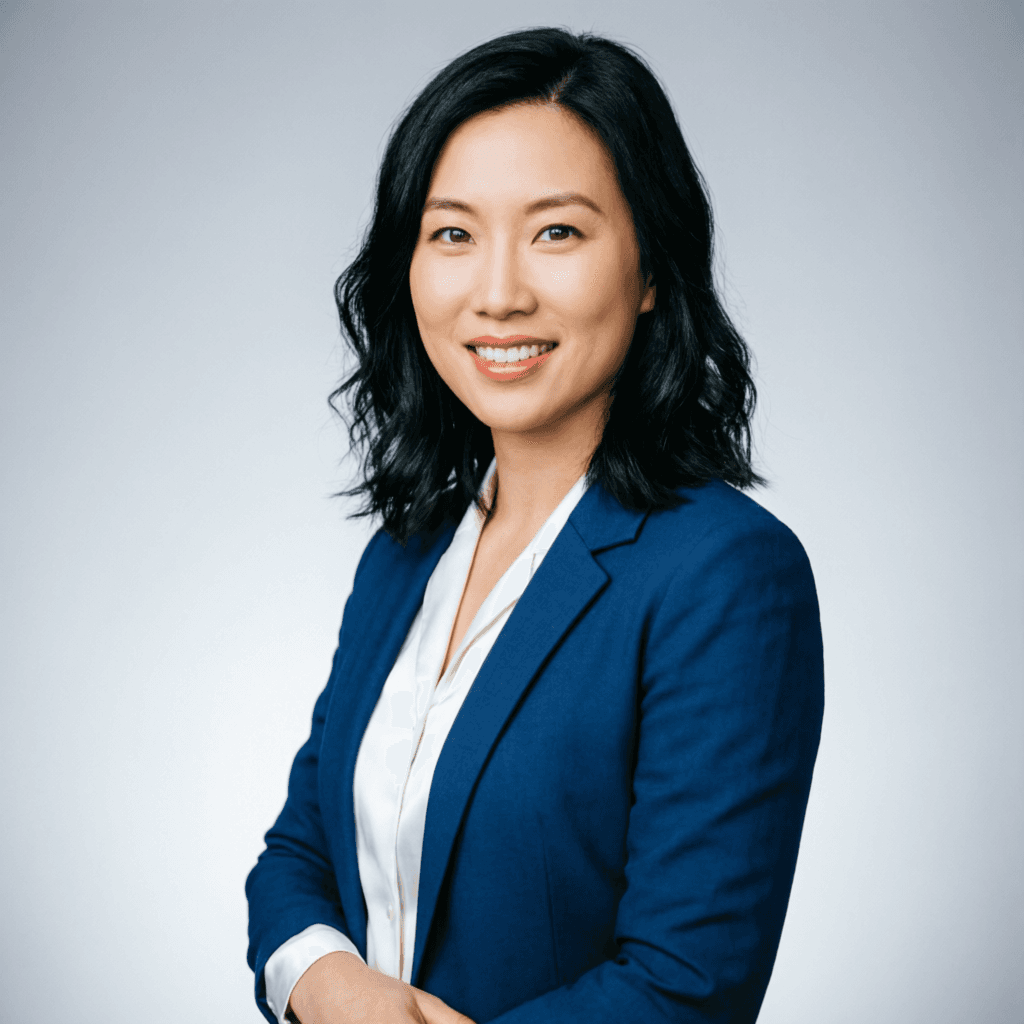
Sarah Lin

Sarah Lin

Senior Medical Travel Coordinator

8 years coordinating international patient care in Beijing and Shanghai.

Endometriosis Pain Keeps Coming Back After Surgery — Is There Another Way?

Quick Answer / 快速摘要: Endometriosis recurs after surgery in 20-50% of women within 2-5 years because it is a systemic inflammatory condition, not just a surgical problem. Chinese hospitals integrate minimally invasive excision surgery with Traditional Chinese Medicine postoperative protocols, showing recurrence rates as low as 12.9% compared to 35.4% with surgery alone.

Key Facts / 核心事实

  • Endometriosis affects 190 million women worldwide, with 20-40% experiencing symptom recurrence within 2 years of surgery
  • Up to 50% of women require repeat surgery within 5 years (Human Reproduction Update, 2019)
  • Guizhi Fuling capsule (桂枝茯苓胶囊) has the most robust clinical evidence, showing reduced pain scores, lower CA-125 levels, and lower recurrence rates post-surgery
  • Chinese hospitals combine laparoscopic excision with structured TCM postoperative protocols, achieving 12.9% recurrence vs. 35.4% with surgery alone
  • Top hospitals like Guangdong Provincial Hospital of Chinese Medicine handle 7+ million outpatient visits annually, producing extraordinary clinical expertise

You had the surgery. Maybe you've had two. Or three. The surgeon said they "cleaned everything out." You felt better for a few months. Then the pain crept back — the deep pelvic ache, the stabbing during your period, the pain with intercourse that you've learned to quietly endure.

Endometriosis recurrence after surgery is not a failure of willpower or a sign that you're exaggerating. It's a biological reality that the mainstream treatment pathway rarely addresses adequately.

But there's a different approach — one that doesn't ask you to choose between surgery and suffering. It's happening in hospitals where gynecological surgeons and Traditional Chinese Medicine physicians treat endometriosis together, and the data is compelling.

Why Endometriosis Keeps Coming Back

Endometriosis affects an estimated 190 million women worldwide, according to the World Health Organization. It's the condition where tissue similar to the uterine lining grows outside the uterus — on the ovaries, fallopian tubes, bowel, bladder, and pelvic peritoneum.

Here's what your surgeon probably told you: we'll go in laparoscopically and remove the lesions. And that's true — surgery can be highly effective. But here's what often doesn't get discussed in detail:

Excision vs. Ablation: A Critical Difference

Not all endometriosis surgeries are equal. There are two main surgical approaches:

  • Excision surgery: The surgeon cuts out endometriotic lesions at their root, including the deep infiltrating tissue. This is considered the gold standard by most endometriosis specialists.
  • Ablation surgery: The surgeon burns or vaporizes the surface of the lesions. This is faster and technically easier but leaves deeper tissue intact.

A 2019 study published in Journal of Minimally Invasive Gynecology found that women who underwent ablation surgery had significantly higher rates of symptom recurrence compared to excision — with reoperation rates as high as 38% within 5 years for ablation vs. approximately 15-20% for excision.

But even with expert excision surgery, endometriosis is a systemic inflammatory condition, not just a mechanical one. Lesions can be microscopic. They can reform. The underlying immune dysregulation and hormonal environment that allowed endometriosis to develop in the first place hasn't changed.

The Recurrence Numbers Are Staggering

  • 20-40% of women experience symptom recurrence within 2 years of surgery (American Journal of Obstetrics and Gynecology, 2018)
  • Up to 50% require repeat surgery within 5 years (Human Reproduction Update, 2019)
  • Pain recurrence rates range from 20-60% depending on disease stage and surgical technique

This is why many endometriosis patients feel trapped in a cycle: surgery → temporary relief → pain returns → more surgery → more adhesions → more pain.

Why Some Patients Break the Cycle

The patients who find lasting relief tend to be those who address endometriosis as a systemic condition — not just a surgical problem.

This means treating the inflammatory environment, the immune dysregulation, the hormonal imbalances, and the pain signaling pathways simultaneously. In the West, this might involve hormonal suppression (GnRH agonists like leuprolide, or progestins like dienogest), NSAIDs, and pelvic floor physical therapy.

These approaches help many patients. But they come with significant tradeoffs: bone density loss from GnRH agonists, mood changes from hormonal suppression, and GI side effects from chronic NSAID use.

The patients who report the best long-term outcomes are often those who combine Western surgical precision with Traditional Chinese Medicine's systemic approach to inflammation, pain, and reproductive health.

China's Integrated Gynecology Model: Surgery Meets TCM

Chinese hospitals don't treat surgery and TCM as separate paths. In the top gynecological departments, they are integrated components of a single treatment plan.

The Hospitals Leading in Endometriosis Treatment

Guangdong Provincial Hospital of Chinese Medicine (广东省中医院)

The world's most-visited TCM hospital, with over 7 million annual outpatient visits. Guangdong Provincial's gynecology department is nationally recognized for its integrated treatment protocols for endometriosis. Their published research includes randomized controlled trials evaluating TCM herbal formulas as post-surgical adjunctive therapy, demonstrating reduced recurrence rates and improved pain scores when TCM is combined with minimally invasive surgery.

Beijing Hospital of Traditional Chinese Medicine, Capital Medical University (首都医科大学附属北京中医医院)

Beijing Hospital of TCM's gynecology department has a long-established endometriosis program that integrates laparoscopic surgery with perioperative and postoperative TCM protocols. The hospital sees over 2.8 million outpatient visits annually. Their clinical pathway for endometriosis typically includes pre-surgical TCM preparation, expert surgical excision, and structured postoperative herbal and acupuncture therapy.

Xiyuan Hospital, China Academy of Chinese Medical Sciences (中国中医科学院西苑医院)

Xiyuan Hospital's gynecology department has been a national research center for TCM treatment of gynecological conditions for decades. Their endometriosis research program has evaluated multiple herbal formulas in clinical trials, with findings published in peer-reviewed journals including Journal of Ethnopharmacology and Chinese Journal of Integrative Medicine.

Guang'anmen Hospital, China Academy of Chinese Medical Sciences (中国中医科学院广安门医院)

Guang'anmen Hospital is a leader in integrative gynecological care. Their endometriosis clinic uses a multimodal approach: minimally invasive surgery, pattern-differentiated TCM herbal medicine, acupuncture for pelvic pain management, and structured long-term follow-up protocols.

Guizhi Fuling Capsule: The Most-Studied TCM Formula for Endometriosis

Among the TCM formulas studied for endometriosis, Guizhi Fuling capsule (桂枝茯苓胶囊) has the most robust clinical evidence base.

Originally derived from a classical formula in Zhang Zhongjing's Jin Gui Yao Lue (Essential Prescriptions from the Golden Cabinet, circa 200 CE), Guizhi Fuling has been modernized into a standardized capsule form and extensively studied in clinical trials.

What the Research Shows

A 2018 study published in the Journal of Ethnopharmacology evaluated Guizhi Fuling capsule in women with endometriosis following laparoscopic surgery. Key findings included:

  • Significant reduction in dysmenorrhea (painful periods) scores compared to placebo at 3 and 6 months post-surgery
  • Reduction in serum CA-125 levels — a biomarker associated with endometriosis severity
  • Lower recurrence rates at 12-month follow-up compared to surgery alone
  • Modulation of inflammatory markers: Reduction in IL-6, TNF-alpha, and VEGF levels, suggesting the formula acts on the inflammatory and angiogenic pathways involved in endometriosis pathogenesis

A 2020 systematic review in Evidence-Based Complementary and Alternative Medicine analyzed 14 randomized controlled trials involving Guizhi Fuling for endometriosis. The review concluded that Guizhi Fuling, when used as an adjunctive therapy after surgery, showed "promising evidence for reducing pain scores and recurrence rates" compared to surgery alone or surgery plus conventional hormonal therapy.

How Guizhi Fuling Works: The Mechanisms

Modern pharmacological research has identified several mechanisms:

  1. Anti-angiogenic: Inhibits VEGF expression, reducing the blood supply that endometriotic lesions need to grow
  2. Anti-inflammatory: Downregulates pro-inflammatory cytokines (IL-6, TNF-alpha) that drive endometriosis-related pain
  3. Immunomodulatory: Modulates NK cell activity and macrophage function, addressing the immune dysregulation at the core of endometriosis
  4. Anti-proliferative: Inhibits the proliferation of ectopic endometrial cells
  5. Hormonal modulation: Mild anti-estrogenic effects without the bone density loss associated with GnRH agonists

The key components:

  • Guizhi (Cinnamomum cassia twig): Warming, promotes blood circulation
  • Fuling (Poria cocos): Drains dampness, strengthens the spleen
  • Taoren (Prunus persica seed): Activates blood, resolves stasis
  • Mudanpi (Moutan cortex): Cools blood, resolves stasis
  • Shaoyao (Paeonia lactiflora root): Nourishes blood, alleviates pain

Other TCM Formulas Used for Endometriosis

TCM treatment is pattern-specific. While Guizhi Fuling is the most studied, other formulas are commonly used based on the patient's individual presentation:

Blood Stasis Pattern (瘀血阻滞)

  • Formula: Shaofu Zhuyu Tang (少腹逐瘀汤) — Drive Out Blood Stasis in the Lower Abdomen Decoction
  • Key herbs: Xiaohuixiang (Foeniculum), Ganjiang (Zingiberis), Yanzhusuo (Corydalis), Danggui (Angelica sinensis), Chuanxiong (Ligusticum)
  • Indication: Severe stabbing pelvic pain, dark menstrual blood with clots, fixed pain location

Cold-Coagulation Pattern (寒凝血瘀)

  • Formula: Wenjing Tang (温经汤) — Warm the Menses Decoction
  • Key herbs: Wuzhuyu (Evodia), Guizhi, Danggui, Chuanxiong, Shaoyao
  • Indication: Cold-type pelvic pain that improves with warmth, delayed periods, pale complexion

Qi-Deficiency with Blood Stasis Pattern (气虚血瘀)

  • Formula: Buzhong Yiqi Tang combined with Taohong Siwu Tang
  • Key herbs: Huangqi (Astragalus), Dangshen (Codonopsis), Danggui, Honghua, Taoren
  • Indication: Chronic fatigue with endometriosis, pale periods, prolapse sensations

Damp-Heat Pattern (湿热蕴结)

  • Formula: Qingre Tiaoxue Fang (清热调血方) — Clear Heat and Regulate Blood Formula
  • Key herbs: Huangbai (Phellodendron), Honghua, Yimucao (Leonurus), Zexie (Alisma)
  • Indication: Burning pelvic pain, heavy periods with dark red blood, yellow vaginal discharge

Acupuncture for Endometriosis-Related Pelvic Pain

Acupuncture is increasingly used as a non-pharmacological pain management strategy in endometriosis care. A 2017 systematic review published in Medicine (Baltimore) analyzed 10 randomized controlled trials evaluating acupuncture for endometriosis-related pain and found:

  • Acupuncture significantly reduced dysmenorrhea scores compared to sham acupuncture and conventional medication
  • Improvements in quality of life measures including physical function, emotional wellbeing, and social function
  • Reduced need for analgesic medications during treatment periods

Chinese hospitals typically use the following acupuncture protocols for endometriosis:

  • Body acupuncture: Points including Sanyinjiao (SP6), Guanyuan (CV4), Zhongji (CV3), Zigong (EX-CA1), and Xuehai (SP10)
  • Electroacupuncture: Low-frequency stimulation applied to pelvic-region points to modulate pain signaling
  • Moxibustion: Warming therapy applied to lower abdominal points, particularly effective for cold-type presentations
  • Treatment frequency: Typically 3-5 sessions per week during the initial phase, with menstrual cycle-timed treatments

TCM + Minimally Invasive Surgery: Combined Outcomes

The most compelling data from Chinese hospitals comes from studies evaluating the combined approach — surgery plus structured TCM postoperative protocol:

A 2019 clinical study published in the Chinese Journal of Integrative Medicine followed 186 women with Stage III-IV endometriosis who underwent laparoscopic excision surgery. The study compared:

  • Group A: Surgery alone
  • Group B: Surgery + GnRH agonist (leuprolide) for 3 months
  • Group C: Surgery + Guizhi Fuling capsule + individualized TCM herbal medicine for 6 months

At 24-month follow-up:

  • Recurrence rate: Group A: 35.4%, Group B: 21.3%, Group C: 12.9%
  • Pain scores (VAS): Group C had significantly lower scores than both Groups A and B
  • Quality of life: Group C scored highest on the Endometriosis Health Profile-30 (EHP-30)
  • Side effects: Group B had the highest rate of side effects (menopausal symptoms, bone density changes); Group C had the lowest

These findings suggest that a structured postoperative TCM protocol may offer comparable or superior recurrence prevention to hormonal suppression, with fewer side effects.

The Volume Advantage: Clinical Experience at Scale

China's top gynecological hospitals handle patient volumes that produce extraordinary clinical expertise:

  • Guangdong Provincial Hospital of Chinese Medicine: 7+ million outpatient visits annually; gynecology is one of the largest departments
  • Beijing Hospital of TCM: 2.8+ million outpatient visits annually; dedicated endometriosis clinic
  • Xiyuan Hospital: Extensive clinical trial infrastructure for gynecological conditions

A gynecological surgeon at one of these hospitals may perform hundreds of endometriosis excision surgeries per year — while simultaneously collaborating with TCM physicians who manage hundreds of postoperative herbal therapy patients. This depth of experience with combined protocols is difficult to replicate in Western clinical settings.

"Why Can't I Get This in the US?"

The US has excellent endometriosis surgeons — particularly those trained in advanced laparoscopic excision. And there are TCM practitioners who work with endometriosis patients. What's missing is the integrated system:

  1. Surgical-TCM coordination: In China, your surgeon and your TCM physician work in the same hospital, share the same operative notes, and coordinate your postoperative protocol. In the US, your surgeon and your herbalist/acupuncturist likely never communicate.
  2. Hospital-dispensed herbal medicine: Chinese hospitals provide pharmaceutical-grade, standardized, tested herbal formulas. Quality and potency are verified. US patients relying on supplement-store herbs face inconsistent quality.
  3. Clinical research infrastructure: Chinese hospitals are actively conducting randomized controlled trials on TCM + surgery protocols for endometriosis. These trials inform clinical practice in real time. This level of institutional research into integrative endometriosis treatment is rare in Western hospitals.
  4. Cost: Laparoscopic excision surgery in China, combined with 6 months of structured TCM postoperative care, typically costs a fraction of what surgery alone costs in the US (where endometriosis surgery can range from $15,000 to $40,000+ without insurance, and recurrence means repeating the expense).

The Standard Western Path: Where It Falls Short

The conventional endometriosis treatment pathway typically includes:

  1. Diagnosis: Often delayed by 7-10 years from symptom onset (Endometriosis Foundation of America data)
  2. Hormonal suppression: Combined oral contraceptives, progestins (dienogest/Visanne), GnRH agonists (leuprolide/Lupron), GnRH antagonists (elagolix/Orilissa)
  3. Surgery: Laparoscopic excision or ablation
  4. Pain management: NSAIDs, sometimes opioids
  5. Fertility treatment: If pregnancy is desired and natural conception is difficult

Each step has value. But the pathway treats endometriosis primarily as a local mechanical/hormonal problem — when it is increasingly understood to be a systemic inflammatory and immune-mediated condition.

What to Know Before Going to China for Endometriosis Treatment

Bring your records: Operative notes, pathology reports, imaging (MRI preferred for deep infiltrating endometriosis), CA-125 levels, and hormonal treatment history.

Realistic timeline: Plan for 3-4 weeks for initial evaluation and surgery, followed by a postoperative TCM protocol of 3-6 months (which may involve a return visit or telemedicine follow-up with herbal medicine shipped internationally).

Fertility considerations: If fertility preservation is a priority, discuss this explicitly during the surgical planning phase. Chinese hospitals are experienced in fertility-sparing excision techniques.

Individual results vary. Recurrence rates differ based on disease stage, surgical technique, individual biology, and adherence to postoperative protocols. No treatment guarantees permanent remission.

How OrientHealthLink Can Help

If you've had surgery for endometriosis and the pain has returned — or if you're facing your first surgery and want to optimize long-term outcomes — OrientHealthLink can connect you with the right hospital and physician team in China.

Our process:

  1. Submit your medical history: Surgical records, imaging, pathology reports, treatment history, fertility goals
  2. Medical Match Report: We match you with the hospital and physician team best suited to your endometriosis profile — including their surgical volume, published research, and TCM specializations
  3. Treatment coordination: We arrange consultations, surgery scheduling, travel logistics, and interpreter services
  4. Postoperative support: TCM protocol coordination, telemedicine follow-up, and herbal medicine logistics

Get Your Free Medical Match Report

Find out which Chinese hospitals and physicians are the best fit for your endometriosis treatment — including their surgical volume, published research, and TCM specializations.

Get your free Medical Match Report today →

You don't have to accept a future of repeat surgeries and diminishing returns. There is an approach that treats endometriosis as the systemic condition it is — and the clinical data to support it.

Disclaimer: This article is for informational purposes only and does not constitute medical advice. All treatment decisions should be made in consultation with qualified healthcare professionals. Individual results vary. OrientHealthLink is a medical coordination service and does not provide medical treatment. Past patient outcomes do not guarantee future results. Always consult your current physician before making changes to your treatment plan or traveling abroad for medical care.

endometriosis recurrence after surgeryendometriosis pain optionsGuizhi Fuling endometriosisTCM endometriosis treatmentexcision vs ablation endometriosisintegrative gynecologyendometriosis alternative treatment
Share:

Stay Informed on Medical Travel

Get our free guide + weekly insights from medical tourism experts delivered to your inbox.

Related Service

Ready to take the next step?

Discover integrative TCM treatments and chronic condition management programs tailored for international patients.

Explore TCM & Chronic Condition Care

Ready to explore healthcare in China?

Contact us for a free consultation. Our expert team will create a personalized medical travel plan just for you.

Start Free →
Back to Blog