
OrientHealthInternational Care
Start Free →Cost calculator · Patient stories · No card
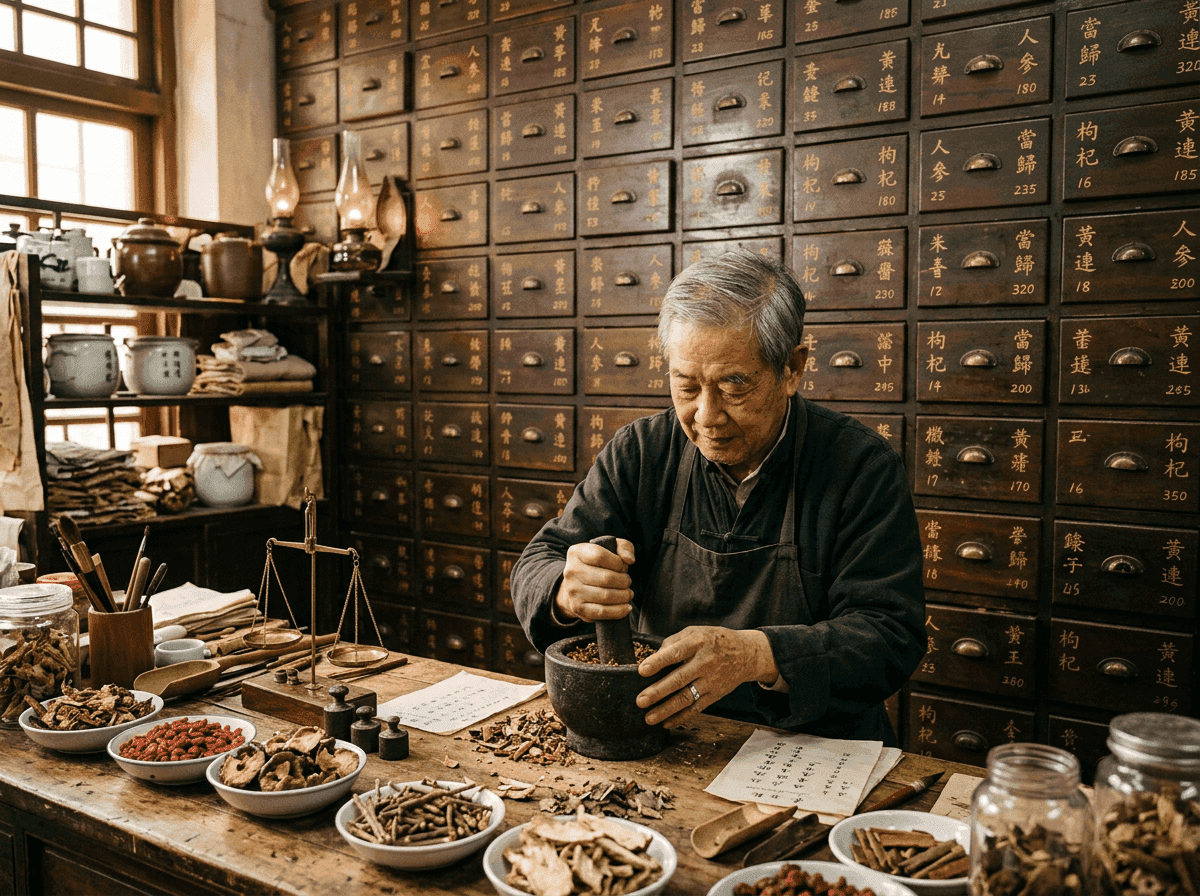
Traditional Chinese Medicine is an integral part of China's millennia-old cultural heritage. Learn about TCM's fundamental concepts, historical legacy, and its role in the modern healthcare system to support more informed health decisions.
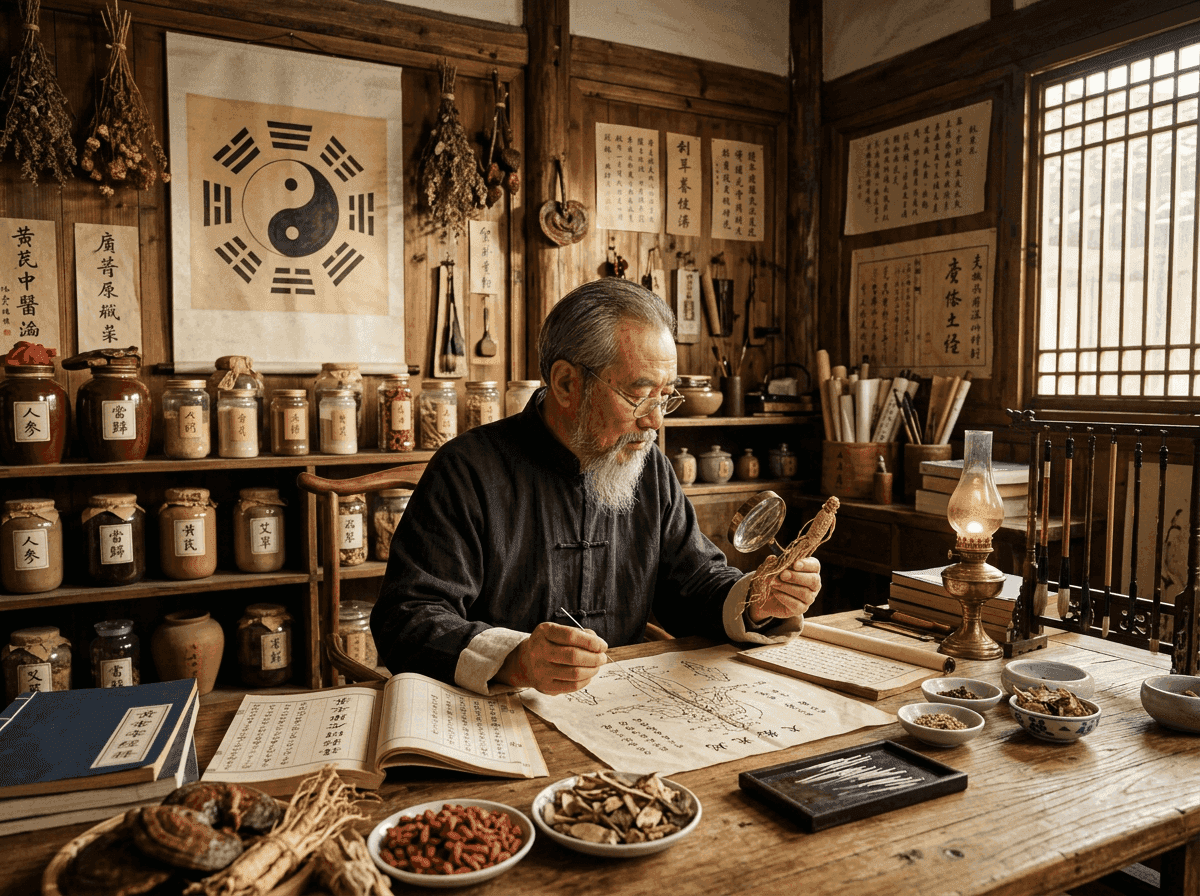
TCM takes a holistic approach, emphasizing the body's natural balance and self-regulation. Modern research is exploring TCM's mechanisms from a scientific perspective. It's important to note that TCM outcomes vary by individual, and treatment should be conducted under the guidance of licensed practitioners.
"If disease is like a leaking roof: Western medicine mops the floor (controls symptoms). TCM finds and repairs the crack in the roof (eliminates the cause). For chronic, recurring problems, fixing the source is the lasting solution."
These areas represent traditional TCM applications where research continues to evolve
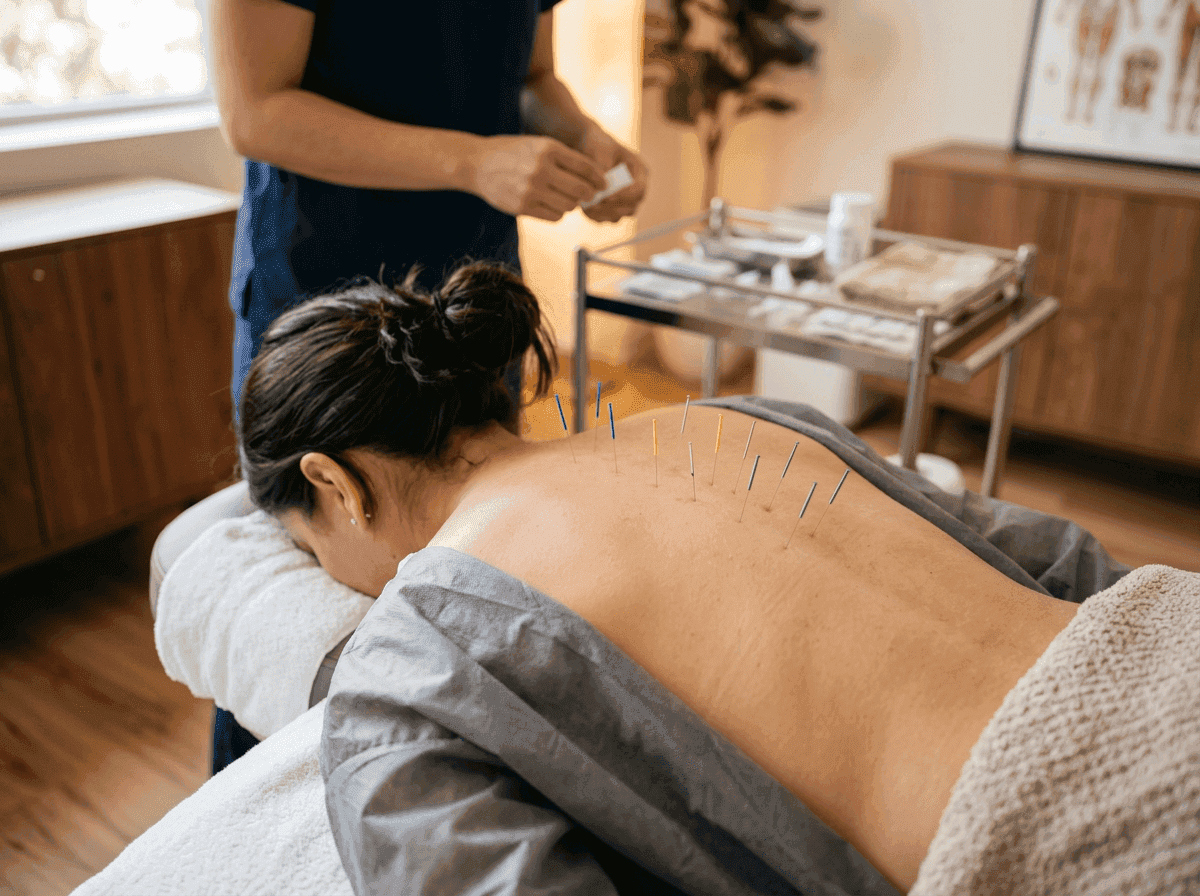
Herniated discs · Cervical spondylosis · Arthritis · Sciatica · Frozen shoulder
Conventional treatment includes medication, physical therapy, and surgical intervention.
The World Health Organization (WHO) recognizes acupuncture's application in pain management. Many patients choose acupuncture as a complementary therapy under medical guidance. Individual results may vary.
Chronic gastritis · Functional dyspepsia · IBS
Digestive disorders are typically managed through medication, dietary adjustments, and surgery when necessary.
TCM has accumulated extensive traditional experience in digestive support, including herbal formulas and dietary guidance. Some patients choose TCM as a complement to conventional treatment. Results vary by individual — please consult a qualified practitioner.
Psoriasis · Eczema · Atopic dermatitis · Acne
Conventional treatment for skin conditions includes topical medications, oral medications, and biologics.
TCM approaches skin issues from a holistic perspective, emphasizing both internal and external care. Herbal baths and topical applications are widely used in China. Results vary — treatment should be guided by both a dermatologist and a licensed TCM practitioner.
Fertility support · Menstrual regulation · Menopause management
Women's health issues are typically managed through hormone therapy, medication, and assisted reproductive technologies.
Some studies have explored acupuncture's potential role in reproductive support. TCM has a long tradition in women's health. Research is ongoing — consider TCM as a complementary option under your gynecologist's guidance.
Stroke rehabilitation support · Insomnia · Migraine
Neurological and sleep issues are typically managed through medication, cognitive behavioral therapy, and rehabilitation.
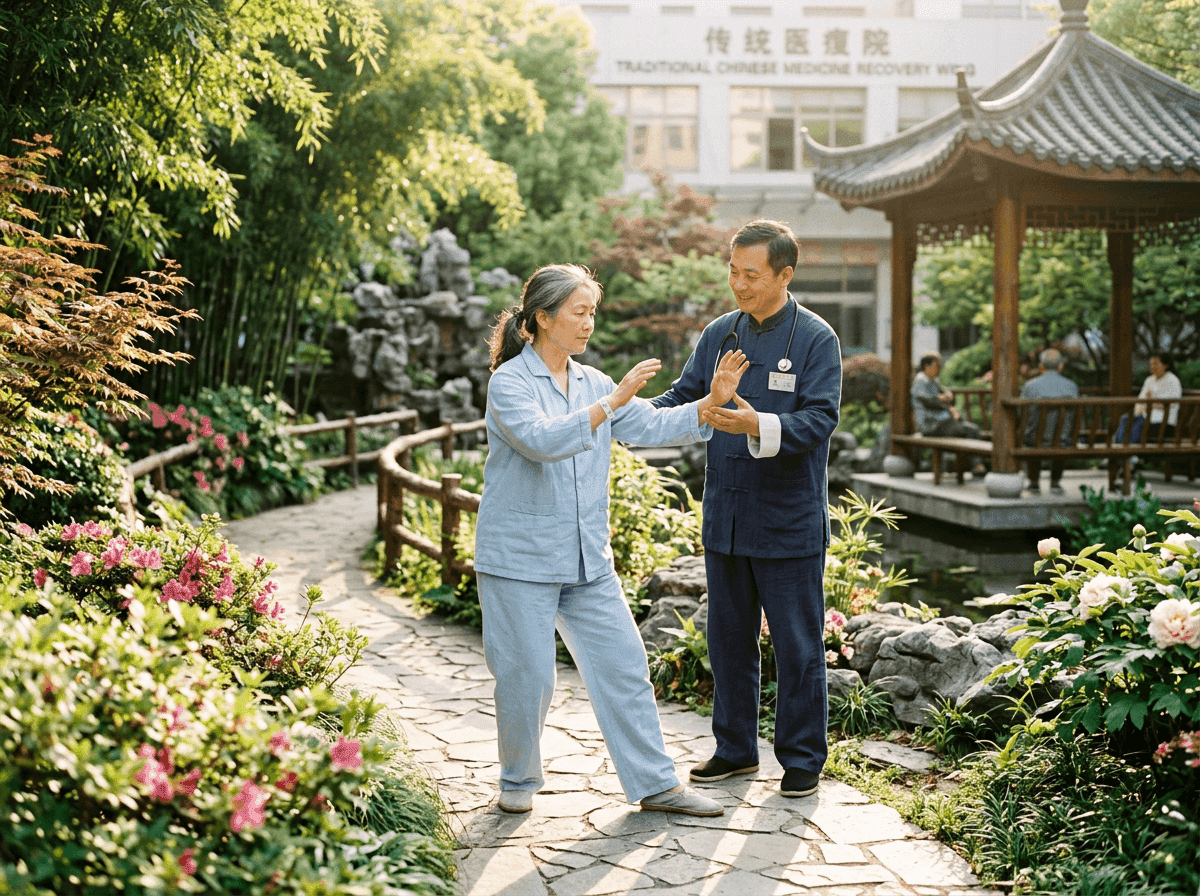
Acupuncture is widely used as a complementary therapy in stroke rehabilitation and sleep management. Many Chinese hospitals include acupuncture in their rehabilitation programs. Results vary by individual and should be used alongside neurological care.
Orthopedic post-op · Cardiac post-op · Abdominal post-op · Chemo support
Post-surgical recovery typically includes medication, physical rehabilitation, and nutritional support.
Some of China's leading hospitals have incorporated TCM methods as part of Enhanced Recovery After Surgery (ERAS) protocols. TCM has traditional experience in post-operative care. Specific recovery plans should be developed by your attending medical team.
Our team can introduce you to TCM resources in China and help arrange consultations. All medical decisions should be made under the guidance of qualified physicians.
Start Free →