1(213)276-6416|国际医疗协调服务 · 北京
English登录免费注册 →
OrientHealthLink
OrientHealth国际医疗服务
首页健康体检手术与治疗慢性病调理疾病治疗合作医院套餐价格博客联系我们
免费开始 →费用计算器 · 患者故事 · 无需绑卡

获取免费医疗旅游指南

下载完整指南 + 每周获取专家建议

OrientHealthLink

总部位于北京 · 国际医疗协调服务

"透明定价——无隐藏费用。详见定价页面。"

快速链接

服务流程合作医院慢性病调理安全保障套餐价格会员博客联系我们合作推广成为地接

联系方式

info@orienthealthlink.com1(213)276-6416WhatsApp 咨询

北京市昌平区北七家未来科学城(北京协调团队)

医疗免责声明:OrientHealthLink 是医疗旅行协调服务提供商,不是医疗机构。本网站内容仅供一般信息参考,不构成医疗建议、诊断或治疗方案。我们不提供任何形式的医疗诊断、治疗建议或健康评估服务。所有医疗决策应由您与具有执业资格的医师共同做出。本网站提及的中医疗法效果因人而异,相关描述基于传统中医理论,不代表对特定疗效的保证。跨境医疗涉及复杂的法律和健康风险,建议您在做出决定前咨询专业法律和医疗顾问。

© 2024–2026 OrientHealthLink. All rights reserved.

服务条款隐私政策
返回博客
Trust2026-07-1414 分钟阅读

亚特兰大营销总监飞广州治15年过敏和成人哮喘:真实经历全记录

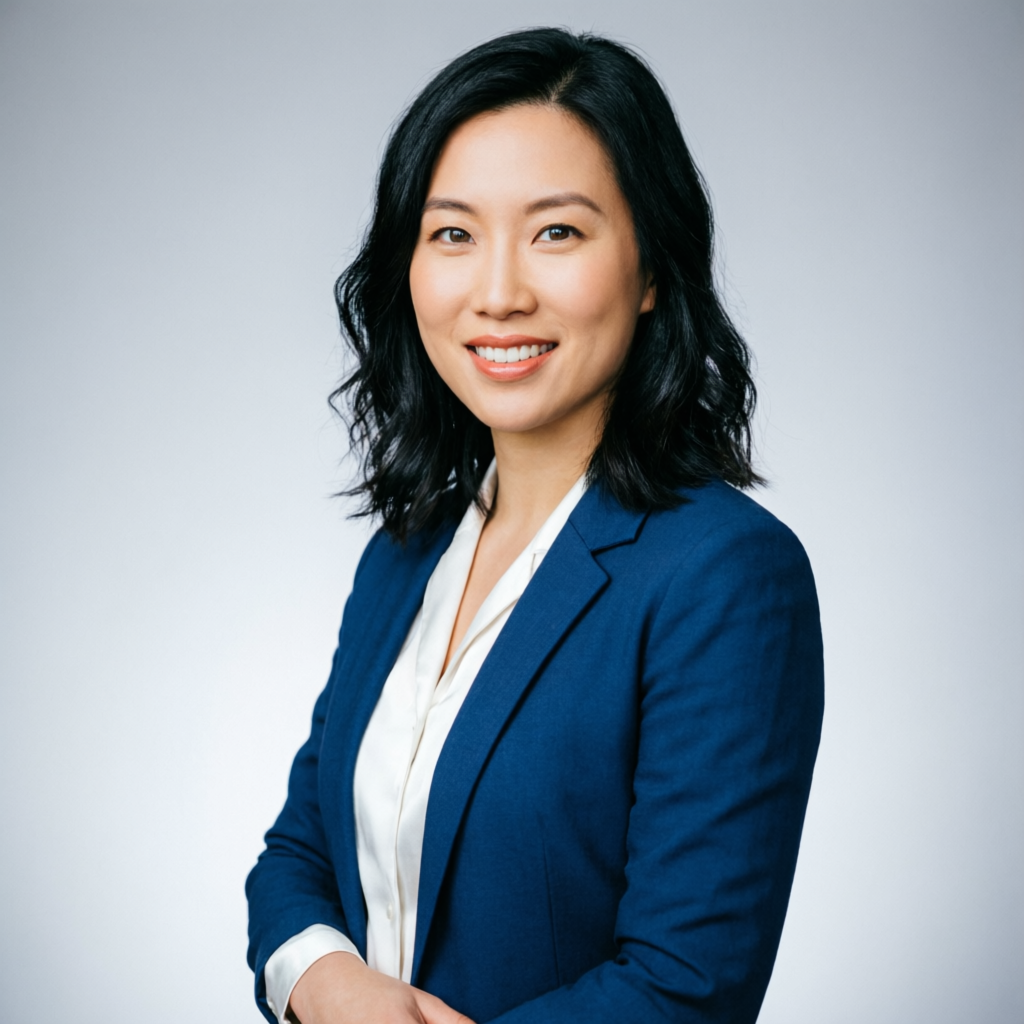
林思瑶

林思瑶

高级医疗旅行协调员

8年在北京和上海协调国际患者医疗服务经验。

An Atlanta Marketing Director Flew to Guangzhou for 15 Years of Allergies and Adult-Onset Asthma — Here's What Actually Happened

Rachel is 38, a marketing director at a mid-sized SaaS company in Atlanta, and until this year she took Zyrtec every morning like coffee. She has been on some form of daily antihistamine since her mid-twenties. Two years ago, after a bad respiratory infection, she developed adult-onset mild asthma and added a daily inhaled steroid to the routine. Her allergist told her, honestly, that this was probably her situation for life.

She spent 24 days in Guangzhou at Guangdong Provincial Hospital of Chinese Medicine (广东省中医院) — one of China's largest and oldest hospitals of Traditional Chinese Medicine, JCI-adjacent in its international standards and integrated with Western pulmonology. Her total bill for the treatment portion was $5,180. Six months later she takes one antihistamine on high-pollen days instead of every day, and her inhaler use has dropped from twice daily to roughly twice a week.

This is her account, in her words where possible, with the itemized bill at the end.

Where She Started

Rachel's symptoms weren't dramatic in any single moment, but they had been eroding her quality of life quietly for over a decade:

  • Year-round nasal congestion, worse March through October
  • Chronic post-nasal drip and morning cough
  • Sinus pressure headaches roughly 8 to 10 days per month
  • Since 2023: intermittent wheezing and shortness of breath, formally diagnosed as mild persistent asthma
  • Daily fatigue that she had attributed to work and stress

Her US regimen at time of departure:

  • Cetirizine (Zyrtec) 10mg daily, year-round
  • Fluticasone (Flonase) nasal spray daily during peak seasons
  • Budesonide/formoterol inhaler (Symbicort) twice daily
  • Albuterol rescue inhaler, used 2 to 4 times per week
  • Two prior sinus CT scans, one negative for structural abnormalities
  • Six months of subcutaneous immunotherapy (allergy shots) in 2019, discontinued for lack of clear improvement

Her allergist's summary in 2025: "This is well-controlled allergic rhinitis with mild asthma. You are on appropriate first-line therapy. Long-term this is likely to remain a maintenance situation." Not wrong, and not what she wanted to hear.

Why Guangzhou, and Why TCM

Rachel is not an alternative-medicine person. She has an MBA, uses spreadsheets to plan vacations, and does not follow wellness influencers. But her college roommate — Chinese-American, from Guangzhou — had told her for years that her cousin's chronic sinusitis had "gone away" after a course of TCM treatment at Guangdong Provincial Hospital of Chinese Medicine (广东省中医院).

Two things pushed her to actually look into it:

First, the math on doing this indefinitely. Symbicort and daily antihistamines are affordable in the US only until you hit a coverage gap; if her employer switched plans or she took a leave of absence, her monthly prescription cost could be over $400. Multiplied by decades, that is a real number.

Second, the fatigue. She was 38 and tired all the time. Her allergist didn't think that was related to allergies. Rachel wasn't sure.

She reached out to OrientHealthLink after seeing a Reddit thread about medical tourism to China. The specific recommendation to look at TCM for allergic rhinitis and mild asthma came from the coordination team after reviewing her medical records. Guangdong Provincial Hospital of Chinese Medicine has a dedicated respiratory TCM unit that also has Western-trained pulmonologists, so the whole treatment is co-managed rather than switching between paradigms.

Before flying, she scheduled a video consultation with the treating physician. She wanted to know: is this going to be needles and unnamed powders, or is there something structured? The answer she got, translated: yes, it's structured. Yes, there is acupuncture and Chinese herbal medicine. There is also spirometry, nasal endoscopy, and Western allergy panel testing on arrival, and any prescribed herbal formulas can be sent for third-party laboratory analysis if she wants. She wanted, and asked for that in writing.

If you're weighing something similar and want to sanity-check what a full course actually costs before committing, you can run your numbers here.

Day 1 to Day 3: Assessment

Rachel landed in Guangzhou on a Tuesday afternoon, met her OrientHealthLink coordinator at the airport, and checked into a serviced apartment ten minutes from the hospital. Wednesday morning she started the assessment phase.

The first three days included:

  • Full history and TCM tongue and pulse diagnosis with the lead physician
  • Skin prick allergy panel (58 allergens, including dust mite species, mold, cockroach, and regional pollen)
  • Specific IgE blood test for the top 20 confirmed allergens
  • Spirometry with bronchodilator reversibility testing
  • Fractional exhaled nitric oxide (FeNO) test, a measurement of airway inflammation
  • Nasal endoscopy
  • Baseline symptom scoring using the RQLQ (Rhinoconjunctivitis Quality of Life Questionnaire) and ACT (Asthma Control Test)

The pulmonologist confirmed the US diagnosis: allergic rhinitis with mild persistent asthma, elevated FeNO indicating ongoing airway inflammation, and a strong sensitivity pattern to dust mite and cockroach allergens along with several regional pollens. The TCM diagnosis added another layer: what they called "lung Qi deficiency with underlying spleen Qi weakness and cold-damp accumulation." Rachel wrote it down word for word because she didn't want to paraphrase what she didn't fully understand.

The lead physician explained the treatment plan in plain terms. The Western side would stay on Symbicort throughout, with albuterol available as needed. The TCM side would be twice-weekly acupuncture, twice-weekly cupping and moxibustion focused on specific back points, and a customized herbal decoction taken twice daily. There would also be a dietary protocol emphasizing warm, cooked foods and eliminating certain items believed to worsen respiratory conditions in her pattern.

Rachel asked directly: what's the realistic expectation? The physician's answer: "Full remission is not the goal. A meaningful reduction in daily medication need, fewer sinus infections, better sleep, and lower baseline inflammation is the goal. Some patients respond very well. Some do not. We will know at day 14."

Day 4 to Day 14: The Treatment Phase

Rachel's daily routine settled into a rhythm:

  • 7:00 AM: First herbal decoction (bitter, warm, taken on an empty stomach)
  • 7:30 AM: Symbicort inhaler, one dose
  • Breakfast at the hospital canteen: congee, steamed egg, sometimes a warm sweet potato
  • 9:00 AM (Mon/Wed/Fri): Acupuncture session, 45 minutes
  • 10:30 AM (Tue/Thu): Cupping and moxibustion on back Shu points
  • Afternoon: Free, generally walked in a nearby park or worked from the apartment
  • 6:00 PM: Second herbal decoction
  • 7:00 PM: Symbicort inhaler, one dose

Weekly check-ins with the physician tracked her symptom scores, medication use, and any side effects.

Her diary highlights, condensed:

Day 5: "Nose is still stuffy. Cupping bruises are impressive. Tea tastes like burnt wood. Legitimately."

Day 8: "Woke up at 3 AM, took a deep breath through my nose without thinking about it. Panicked briefly. Then realized nothing was wrong. This has not happened in years."

Day 10: "Post-nasal drip is basically gone. I keep swallowing and being surprised."

Day 12: "Skipped the morning albuterol for the first time in four months. Didn't need it. Suspicious but hopeful."

Day 14: "Assessment day. Repeat spirometry showed FEV1 up 8%. FeNO dropped from 42 ppb to 24 ppb. RQLQ went from 3.8 to 1.9. I don't fully understand what any of that means but the pulmonologist looked pleased."

Day 15 to Day 24: Consolidation

The second half of the stay reduced treatment intensity and focused on what the physician called "consolidating gains." Acupuncture dropped to once weekly. The herbal formula was adjusted slightly to shift emphasis from clearing acute symptoms to strengthening baseline lung and spleen function. A separate "seasonal preventive" protocol was created for Rachel to take at home in April and September each year.

Rachel spent more time outside the hospital during this phase. She visited the historic Yuexiu Park, ate her way through Guangzhou's dim sum tradition (with modifications from the physician for her constitution — less cold seafood, more warm meats and root vegetables), and worked remotely for her Atlanta team most afternoons.

On day 22, the physician had a long conversation with her about the transition home. Key points from that conversation, which Rachel wrote up as a document she still refers to:

  • Continue Symbicort daily for at least 90 days, then re-evaluate with her US allergist
  • Do not stop antihistamines abruptly; taper as symptoms allow
  • Continue the maintenance herbal formula (shipped monthly from the hospital pharmacy) for 6 months
  • Follow the dietary guidance especially in the two weeks before and during peak pollen season
  • Return for a virtual follow-up at 3 months and 6 months

She got a comprehensive discharge summary in both English and Chinese, with all test results, treatment records, and prescribed formulas.

Six Months Later

Rachel is not "cured." She still has allergies. But her lived experience has changed materially:

  • Antihistamine use: from daily year-round to roughly 4 to 6 days per month, mostly during high-pollen alerts
  • Albuterol use: from 2 to 4 times per week to roughly twice a month
  • Sinus headaches: from 8 to 10 per month to 2 to 3 per month
  • Symbicort: still daily, but her US allergist agreed to a taper trial starting at month 9 based on repeat FeNO in Atlanta
  • Sleep quality: subjectively much better; she stopped mouth-breathing at night, and her husband confirms she snores less
  • Sinus infections: none in 6 months, versus 3 in the previous 12 months

Her Atlanta allergist reviewed the discharge paperwork carefully and, to Rachel's mild surprise, was constructive rather than dismissive. His summary: "I don't fully understand the mechanism, but your numbers moved and you're using less medication safely. Let's keep going and re-measure at 12 months."

The Itemized Bill

Everything below is what Rachel actually paid. All figures in USD, converted at time of transaction. Amounts are rounded to the nearest $5.

Item Amount (USD)
Initial consultation and TCM diagnosis $45
Full allergy panel (skin prick + specific IgE) $310
Spirometry with reversibility, FeNO $95
Nasal endoscopy $65
Pulmonology consultations (3 sessions) $110
Acupuncture (16 sessions) $640
Cupping and moxibustion (10 sessions) $380
Herbal decoctions (24 days, twice daily, custom formula) $720
Maintenance herbal formula (6-month supply) $540
Symbicort refills (Chinese generic equivalent, 2 units) $80
Repeat spirometry and FeNO (Day 14 and Day 22) $130
Discharge summary and translated records $65
International patient service and interpreter $1,200
Serviced apartment, 24 nights, near hospital $720
Meals and incidentals $450
Airport transfer and local transport $180
Round-trip economy flight ATL-CAN $1,150
Travel medical insurance $130
Chinese tourist visa $140
Total, all-in $7,150
Of which: treatment only $5,180

For comparison, Rachel's estimated ongoing US costs over the next 10 years assuming stable coverage: $18,000 to $24,000 in prescriptions, plus roughly $2,400 in specialist copays, plus lost productivity from sinus days she now no longer takes. She hit break-even, on her own math, at month 11.

What She Would Do Differently

Two things.

First, she would have arrived a week earlier and done a proper structured tourism day before treatment started. She "hit the ground running" and admits the first three days would have been easier without also being jet-lagged.

Second, she would have asked more pointed questions about the herbal formulas before she flew. Not because there was a problem — she asked for and received third-party lab analysis and everything was clean — but because she waited until day 6 to ask, and it created a small amount of anxiety in the meantime.

Would She Recommend It?

Her own words: "I recommend it to people who fit two categories. First, if you've done the full American workup and your specialist has essentially said 'this is your life now,' you have very little to lose by trying a structured integrated approach. Second, if you're the kind of person who likes to actually understand what's happening to your body — the pulse diagnosis, the tongue coating changes, the tracking — you'll get something from this that a 12-minute allergist appointment cannot give you."

She does not recommend it to people looking for a quick fix, to people who are not comfortable spending three weeks in a country whose language they don't speak, or to anyone whose asthma is severe enough that they need same-day emergency care regularly. Her case was mild persistent asthma, well-controlled on medication; that is a different situation from acute severe asthma.

What OrientHealthLink Did

Rachel booked through OrientHealthLink because she wanted a coordinator who had done this specific route before and could pair her with the right unit. What that actually looked like for her, day to day:

  • Reviewed her US medical records with the treating team before her arrival
  • Scheduled and translated her pre-travel video consultation
  • Booked the serviced apartment and airport pickup
  • Assigned a dedicated in-person interpreter for the first 5 clinical days and for all major decision points thereafter
  • Arranged third-party lab analysis of her herbal formulas when she asked
  • Coordinated the 6-month maintenance formula shipment to Atlanta and dealt with US customs paperwork
  • Scheduled the 3-month and 6-month virtual follow-ups with the physician

None of this is impossible to do yourself. It is, however, roughly a part-time job for the two months before travel, and Rachel had a full-time one.

If This Sounds Like You

If you have chronic allergies, mild-to-moderate asthma, or the kind of persistent low-grade respiratory issue that your US doctor has told you to just live with, this is a real option to consider. It is not for everyone, and it will not work for everyone. But the median outcome we see in this specific patient profile is a meaningful reduction in daily medication need and a meaningful improvement in quality of life.

For a broader sense of what integrated TCM plus Western treatment looks like for chronic conditions, read our accounts of a Denver nurse's chronic migraine treatment in Beijing and a Seattle engineer's 8-year insomnia treatment in Shanghai. Same paradigm, different presenting conditions.

Want to know how much YOUR case would cost?

Get a personalized estimate based on your specific condition and treatment needs.

Get My Free Estimate Try the Cost Calculator

Or reach us directly on WhatsApp: +86 152-1078-0345

allergies asthma tcm chinatraditional chinese medicine allergies treatmentadult onset asthma tcmguangdong provincial hospital chinese medicinemedical tourism china reviews 2026
分享:

关注医疗旅行最新资讯

获取免费指南 + 每周医疗旅游专家洞察,直达您的邮箱。

相关服务

准备好迈出下一步了吗?

从初次咨询到术后随访,我们为您的中国医疗之旅处理每一个细节。

了解我们的服务

准备好探索中国的医疗服务了吗?

联系我们获取免费咨询,我们的专业团队将为您量身定制医疗旅行方案。

免费咨询
返回博客