1(213)276-6416|国际医疗协调服务 · 北京
English登录免费注册 →
OrientHealthLink
OrientHealth国际医疗服务
首页健康体检手术与治疗慢性病调理疾病治疗合作医院套餐价格博客联系我们
免费开始 →费用计算器 · 患者故事 · 无需绑卡

获取免费医疗旅游指南

下载完整指南 + 每周获取专家建议

OrientHealthLink

总部位于北京 · 国际医疗协调服务

"透明定价——无隐藏费用。详见定价页面。"

快速链接

服务流程合作医院慢性病调理安全保障套餐价格会员博客联系我们合作推广成为地接

联系方式

info@orienthealthlink.com1(213)276-6416WhatsApp 咨询

北京市昌平区北七家未来科学城(北京协调团队)

医疗免责声明:OrientHealthLink 是医疗旅行协调服务提供商,不是医疗机构。本网站内容仅供一般信息参考,不构成医疗建议、诊断或治疗方案。我们不提供任何形式的医疗诊断、治疗建议或健康评估服务。所有医疗决策应由您与具有执业资格的医师共同做出。本网站提及的中医疗法效果因人而异,相关描述基于传统中医理论,不代表对特定疗效的保证。跨境医疗涉及复杂的法律和健康风险,建议您在做出决定前咨询专业法律和医疗顾问。

© 2024–2026 OrientHealthLink. All rights reserved.

服务条款隐私政策
返回博客
Treatment2026-06-246 分钟阅读

难治性慢性偏头痛:Botox和CGRP之外的治疗选择

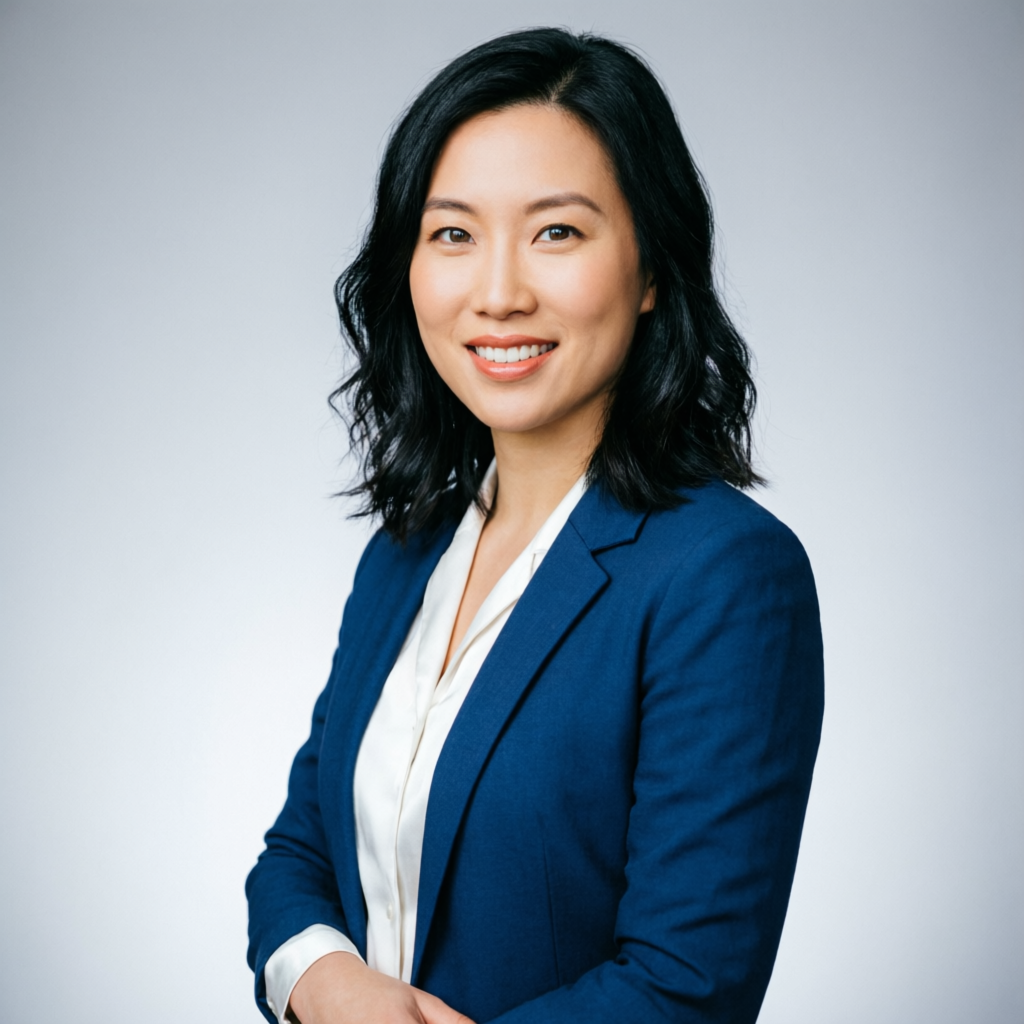
林思瑶

林思瑶

高级医疗旅行协调员

8年在北京和上海协调国际患者医疗服务经验。

Chronic Migraine Treatment When Nothing Works: Options Beyond Botox and CGRP Inhibitors | OrientHealthLink

Chronic Migraine Treatment When Nothing Works: Options Beyond Botox and CGRP Inhibitors

OrientHealthLink Editorial · Updated 2026 · 8 min read

Living with chronic migraine can be exhausting, especially when the treatments that help many people seem to do nothing for you. If you have already tried oral preventives, Botox injections, and CGRP inhibitors without meaningful improvement, you may have what neurologists call refractory chronic migraine. This does not mean you are out of options. It means your case may benefit from a more specialized evaluation.

This article discusses chronic migraine treatment when nothing works, including emerging and complementary approaches that some patients explore when standard therapies fall short. It is intended as educational information for US patients considering all available pathways, including international care.

Understanding Refractory Chronic Migraine

Chronic migraine is defined as headache occurring on 15 or more days per month for at least three months, with migraine features on at least eight of those days. Refractory chronic migraine refers to cases that do not respond adequately to multiple evidence-based treatments. Estimates suggest that a subset of chronic migraine patients fall into this category, though definitions vary.

It is important to recognize that migraine is a neurological disorder with many contributing factors, including genetics, central sensitization, inflammation, vascular changes, and lifestyle triggers. When first-line treatments fail, a thorough re-evaluation may reveal overlooked contributors such as medication overuse, sleep disorders, mood conditions, or comorbid pain syndromes.

Medication Overuse Headache

One often-overlooked cause of persistent migraine is medication overuse headache. This can occur when acute migraine medications, including triptans, over-the-counter pain relievers, or combination analgesics, are used too frequently. Over time, the brain's pain pathways can become more reactive, leading to a cycle of more frequent headaches and more medication use.

Breaking this cycle usually requires a supervised withdrawal from overused medications, which can temporarily worsen headaches before improvement begins. A headache specialist can help design a safe taper and introduce preventive strategies to reduce reliance on acute medications. Addressing medication overuse is one of the few reversible factors in refractory migraine and should be evaluated before assuming that all treatments have failed.

Specialized Headache Clinics

A dedicated headache center can offer access to neurologists who focus specifically on migraine and facial pain disorders. These clinics often provide more time for evaluation, structured headache diaries, and access to treatments not widely available in general neurology practices.

Services may include:

  • Detailed medication history review and washout planning
  • Infusion therapy for severe or prolonged attacks
  • Occipital nerve blocks and trigger point injections
  • Coordination with pain psychology and physical therapy
  • Access to clinical trials or emerging devices

For patients open to medical travel, some international neurology departments manage high patient volumes and may offer comprehensive diagnostic workups at a lower cost than private US centers. Our neurology guide outlines what to look for when evaluating these programs.

Nerve Stimulation Devices

Non-invasive and implantable nerve stimulation devices have become an important option for refractory migraine. These technologies work by modulating nerve activity involved in pain signaling. Examples include:

  • Transcutaneous supraorbital nerve stimulation: A wearable device that stimulates nerves around the forehead.
  • Non-invasive vagus nerve stimulation: Applied to the neck to influence migraine pathways.
  • Remote electrical neuromodulation: Stimulates nerves in the upper arm.
  • Occipital nerve stimulation: An implanted device used in highly selected cases of intractable occipital neuralgia or migraine.

Response rates vary. Some patients experience a meaningful reduction in headache days, while others notice only modest changes. These devices are generally considered safe, though they may cause skin irritation, discomfort, or tingling.

Infusion Therapies

For patients with severe, prolonged migraine attacks or status migrainosus, infusion therapy may provide relief when oral medications fail. Infusions are typically administered in a monitored setting and may include medications such as magnesium, anti-nausea drugs, dihydroergotamine, ketorolac, or valproate.

Some headache centers offer multi-day infusion protocols designed to break a cycle of relentless migraine. These programs require medical supervision and are not appropriate for everyone, particularly those with certain cardiovascular or psychiatric conditions.

Traditional Chinese Medicine for Headache Management

Traditional Chinese medicine has a long history of addressing headache disorders. TCM practitioners typically diagnose migraine within frameworks involving liver yang rising, blood stasis, or qi deficiency, and they may use acupuncture, herbal therapy, cupping, and lifestyle guidance.

Based on traditional Chinese medical theory. Individual results vary. Always consult a licensed practitioner.

Some studies suggest acupuncture may reduce the frequency of migraine attacks for certain patients. Herbal approaches are also used in clinical practice, though evidence quality varies and interactions with migraine medications are possible. Patients should only use TCM under the guidance of licensed practitioners and with full disclosure to their neurologist.

Chinese Neurology Departments and High Patient Volume

China's major neurology departments treat large numbers of patients with migraine, dizziness, stroke, and other neurological conditions. This high volume can translate into substantial experience with difficult-to-treat headache presentations. Some hospitals offer combined Western and TCM neurology clinics, allowing patients to access both approaches under one roof.

Cost estimates for a comprehensive migraine evaluation abroad may range from approximately $600 to $2,000, while advanced imaging or infusion programs may add $1,000 to $4,000. These figures are estimates and depend on the facility and services included.

OrientHealthLink can help connect you with hospitals experienced in complex neurological evaluations. Start by reviewing our getting started page.

A Patient Story: Marcus, 41, from Denver

Marcus, a 41-year-old from Denver, had chronic migraine for more than a decade. He tried multiple preventive medications, Botox, and two CGRP inhibitors without lasting relief. His attacks occurred more than 20 days per month and affected his ability to work.

After a referral to a specialized headache clinic, he began using a non-invasive vagus nerve stimulation device and participating in a structured infusion program. He also worked with a pain psychologist and received acupuncture from a licensed practitioner. Over several months, his monthly headache days decreased from 22 to 14. While he still has migraine, the improvement allowed him to return to part-time work. Marcus later used OrientHealthLink to explore a neurology evaluation abroad to review his imaging and consider additional device-based options.

Building a Sustainable Migraine Plan

Refractory migraine rarely responds to a single treatment. The most effective plans usually combine medication, device-based therapy, lifestyle management, and psychological support. Keeping a detailed headache diary can help you and your clinician identify patterns and measure progress.

A useful diary records the timing, duration, and severity of attacks, associated symptoms, medications used, menstrual cycle phase, sleep quality, stress levels, and possible food or environmental triggers. Over time, this information can reveal hidden patterns and help refine the treatment plan. Many smartphone apps are available, though a simple paper log can also work.

Important lifestyle factors to address include:

  • Sleep regularity and sleep apnea screening
  • Hydration and balanced meals
  • Stress management and relaxation training
  • Regular physical activity, if tolerated
  • Avoiding medication overuse

Emerging Pharmacological Options

Research into migraine continues to produce new treatment possibilities. In addition to CGRP monoclonal antibodies and gepants, investigators are studying other pathways involved in migraine pain and inflammation. Some patients who do not respond to one class of medication may respond to another, so it is worth revisiting medication options periodically.

Off-label medications such as certain blood pressure drugs, anti-seizure medications, and antidepressants are sometimes used for migraine prevention. These require careful monitoring but can be effective for selected patients. A headache specialist can help determine whether any underutilized medication might be appropriate for your situation.

The Role of Mental Health

Chronic migraine often coexists with anxiety, depression, and post-traumatic stress. The relationship is bidirectional: migraine can worsen mental health, and psychological distress can amplify pain. Addressing mental health is therefore not optional for many refractory migraine patients.

Acceptance and commitment therapy, biofeedback, and mindfulness-based stress reduction have shown promise in headache populations. These therapies do not eliminate migraine, but they may reduce the emotional burden and improve coping capacity. Similar integrated approaches are discussed in our chronic conditions section.

Questions to Ask a Headache Specialist

  • Could medication overuse be contributing to my symptoms?
  • Am I a candidate for nerve stimulation therapy?
  • Would an inpatient or outpatient infusion program be appropriate?
  • Are there comorbid conditions such as anxiety, depression, or sleep apnea that need treatment?
  • Should I consider a second opinion at a specialized headache center?

Use our cost calculator to estimate what international care might involve, or contact us for personalized guidance. You may also find helpful context in our blog posts about living with chronic migraine, neuromodulation devices explained, and planning medical travel for neurological care.

Conclusion

Chronic migraine treatment when nothing works requires persistence, creativity, and expert guidance. Beyond Botox and CGRP inhibitors, options such as nerve stimulation devices, infusion therapies, specialized headache clinics, and traditional Chinese medicine may offer additional relief for some patients. For those considering medical travel, international neurology centers can provide high-volume experience and integrated care pathways.

Progress may be gradual, but many patients find that combining several targeted approaches leads to meaningful improvement over time.

The information provided on this page is for educational purposes only and does not constitute medical advice. Always consult with a qualified healthcare provider before making decisions about medical procedures or traveling for treatment. Cost estimates are approximate and subject to change based on individual medical needs, exchange rates, and hospital pricing updates. OrientHealthLink facilitates medical travel coordination and does not provide medical services directly.

chronic migraine treatment when nothing works: options beyonchronic migraine treatment refractory chinamedical tourism china 2026
分享:

关注医疗旅行最新资讯

获取免费指南 + 每周医疗旅游专家洞察,直达您的邮箱。

相关服务

准备好迈出下一步了吗?

探索中国知名医院的手术服务,由经验丰富的专家主刀。

了解手术服务

准备好探索中国的医疗服务了吗?

联系我们获取免费咨询,我们的专业团队将为您量身定制医疗旅行方案。

免费咨询
返回博客