1(213)276-6416|国际医疗协调服务 · 北京
English登录免费注册 →
OrientHealthLink
OrientHealth国际医疗服务
手术与治疗健康体检慢性病调理疾病治疗合作医院你的旅程套餐价格
免费开始 →费用计算器 · 患者故事 · 无需绑卡

获取免费医疗旅游指南

下载完整指南 + 每周获取专家建议

OrientHealthLink

美国总部 + 北京协调团队

"我们的收入来自服务费,详见定价说明。"

快速链接

服务流程合作医院慢性病调理安全保障套餐价格会员博客联系我们合作推广成为地接

联系方式

info@orienthealthlink.com1(213)276-6416WhatsApp 咨询

北京市昌平区北七家未来科学城(北京协调团队)

医疗免责声明:OrientHealthLink 是医疗旅行协调服务提供商,不是医疗机构。本网站内容仅供一般信息参考,不构成医疗建议、诊断或治疗方案。我们不提供任何形式的医疗诊断、治疗建议或健康评估服务。所有医疗决策应由您与具有执业资格的医师共同做出。本网站提及的中医疗法效果因人而异,相关描述基于传统中医理论,不代表对特定疗效的保证。跨境医疗涉及复杂的法律和健康风险,建议您在做出决定前咨询专业法律和医疗顾问。

版权所有 © 2024-2026 OrientHealthLink. 保留所有权利。

服务条款隐私政策
返回博客
Chronic Conditions2026-06-2114 分钟阅读

多囊卵巢综合征:为什么'吃避孕药'不算治疗方案

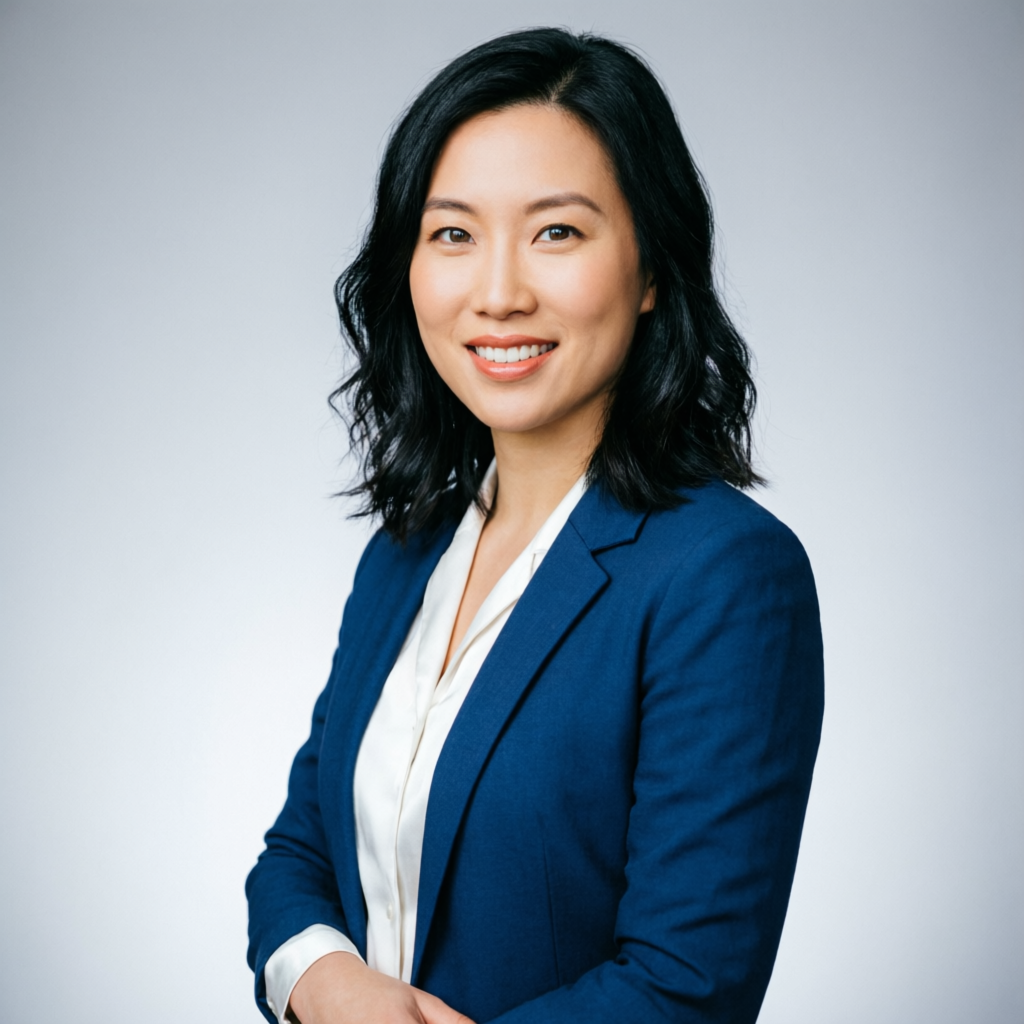
林思瑶

林思瑶

高级医疗旅行协调员

8年在北京和上海协调国际患者医疗服务经验。

PCOS: Why "Just Take Birth Control" Isn't a Treatment Plan

Category: Chronic Conditions  |  Read time: ~14 min  |  Published: June 21, 2026

You already know how this conversation goes. You sit on the crinkly paper of the exam table, you describe your irregular cycles, the weight that won't budge no matter how clean you eat, the acne along your jawline that vanished for your friends years ago, the hair thinning at your temples, the exhaustion that sleep doesn't fix. Your doctor listens, nods, orders some blood work, maybe an ultrasound. A week later you get the diagnosis: Polycystic Ovary Syndrome. And then comes the part that makes you want to scream into a pillow:

"I'm going to put you on birth control. Come back when you want to get pregnant."

That's it. That's the plan. A single pill, offered like a universal remote that's supposed to fix a condition that touches your metabolism, your hormones, your cardiovascular health, your mental health, and your fertility — all at once. You leave the office with a prescription and a vague sense that something much bigger has been brushed under a very small rug.

If that sounds familiar, you are not being dramatic. You are not overthinking it. You are having a completely reasonable reaction to a treatment model that has failed millions of women. PCOS affects roughly 1 in 10 women of reproductive age. It is the leading cause of infertility worldwide. It costs the U.S. healthcare system an estimated $4.6 billion per year in direct medical expenses. And for a condition that common, that expensive, and that consequential, "just take birth control" is not a treatment plan. It's a placeholder.

This article is about what a real treatment plan looks like — including approaches most Western doctors never mention.

What PCOS Actually Is (It's Not Just "Irregular Periods")

One of the most damaging myths about PCOS is that it's a reproductive problem. It's not. PCOS is a multi-system endocrine and metabolic disorder that happens to announce itself most visibly through your menstrual cycle. Calling it a "reproductive condition" is like calling diabetes a "foot condition" because some patients develop neuropathy. You're mistaking a symptom for the disease.

If you have tried everything Western medicine offers and still feel stuck — this article will show you a completely different approach that millions of patients in China use every day. Traditional Chinese Medicine, combined with modern Western diagnostics at China's top hospitals, offers a treatment framework that addresses root causes rather than just managing symptoms. OrientHealthLink can help you explore whether this approach fits your case →

Here's what's actually happening under the hood.

The Hormonal Layer

In PCOS, the ovaries produce excess androgens — primarily testosterone and androstenedione. This isn't because the ovaries are "broken." It's because the signaling system that tells them what to do is dysregulated. Luteinizing hormone (LH) is often elevated relative to follicle-stimulating hormone (FSH), which drives the ovarian theca cells to overproduce androgens. Meanwhile, sex hormone-binding globulin (SHBG) is often low, meaning more of that testosterone circulates freely. The result: hirsutism, acne, hair loss, and disrupted ovulation.

The Metabolic Layer

This is the part that gets criminally undertreated. Roughly 70% of women with PCOS have insulin resistance — their cells don't respond efficiently to insulin, so the pancreas pumps out more. Hyperinsulinemia (excess circulating insulin) doesn't just raise your diabetes risk. It directly stimulates ovarian androgen production, suppresses SHBG further, and promotes fat storage, particularly visceral fat around the abdomen. This creates a vicious cycle: insulin resistance worsens hormonal imbalance, hormonal imbalance worsens insulin resistance, and both drive weight gain, inflammation, and metabolic dysfunction.

The Cardiovascular Layer

Women with PCOS have a 2- to 4-fold increased risk of cardiovascular disease. They show higher rates of dyslipidemia (elevated triglycerides, low HDL cholesterol), endothelial dysfunction, elevated blood pressure, and subclinical atherosclerosis compared to age-matched controls. A 28-year-old with PCOS may have the cardiovascular risk profile of someone a decade or two older. This isn't alarmism — it's epidemiology.

The Mental Health Layer

Anxiety and depression rates in PCOS patients are three to four times higher than in the general population. This isn't simply because dealing with a chronic condition is stressful (though it is). The hormonal and inflammatory milieu of PCOS — elevated androgens, insulin resistance, chronic low-grade inflammation — directly affects neurotransmitter regulation and mood. Many women with PCOS describe a kind of emotional volatility that feels biological rather than psychological, and the research backs that up.

So when your doctor writes "PCOS" on your chart and prescribes a combined oral contraceptive, they are addressing one symptom layer — menstrual irregularity and androgen excess — while leaving metabolic dysfunction, cardiovascular risk, and mental health impacts largely untouched. That's not treatment. That's triage.

Why Birth Control Masks Symptoms Instead of Treating Root Causes

Let's be clear: birth control pills are not useless for PCOS. Combined oral contraceptives (COCs) do several measurable things. They suppress LH secretion, which reduces ovarian androgen production. They increase SHBG, which mops up free testosterone. They provide regular withdrawal bleeds, which protect the uterine lining from the endometrial hyperplasia that can develop when you go months without ovulating. For many women, COCs reduce acne, slow hirsutism progression, and make periods predictable.

Those are real benefits. But here's what COCs do not do:

  • They do not improve insulin sensitivity. In fact, some formulations mildly worsen glucose tolerance. If you're among the 70% of PCOS patients with insulin resistance, birth control does nothing to address the metabolic engine driving your condition.
  • They do not reduce cardiovascular risk. Some COCs slightly increase blood pressure and triglyceride levels. For women already at elevated cardiovascular risk from PCOS, this is not a trivial consideration.
  • They do not improve egg quality or restore ovulation. They suppress ovulation entirely. When you stop taking them to conceive, the underlying ovulatory dysfunction is exactly where you left it — sometimes worse, because you're older and metabolic dysfunction has had years to compound.
  • They do not address inflammation. PCOS involves chronic low-grade inflammation (elevated CRP, IL-6, TNF-alpha). Birth control doesn't touch this.
  • They do not address mental health. Many women report mood changes, decreased libido, and emotional blunting on hormonal contraceptives — effects that compound the depression and anxiety already prevalent in PCOS.

Think of it this way: prescribing birth control for PCOS is like putting a bucket under a leaky ceiling. It catches the visible drips. But nobody is going up to the roof to find out where the water is coming from. And the longer the structural problem goes unaddressed, the more damage accumulates behind the walls — metabolically, cardiovascularly, reproductively.

The frustration you feel when your doctor says "just take birth control" is not irrational. It's your intuition correctly recognizing that a complex, multi-system condition is being managed with a single-system bandage.

The Insulin Resistance Connection: The Metabolic Engine Most Doctors Ignore

If you took a survey of PCOS patients and asked, "Did your doctor explain the connection between your insulin levels and your hormones?" a staggering number would say no. This is one of the most significant failures in mainstream PCOS management, because insulin resistance isn't a side note in PCOS — it's the central plot.

Here's the mechanism in plain language. Insulin is the hormone that tells your cells to absorb glucose from the bloodstream. When your cells stop listening — due to genetics, chronic stress, poor sleep, dietary patterns, or some combination — your pancreas compensates by producing more insulin. In most people, this eventually leads to type 2 diabetes. But in women with PCOS, those high insulin levels do something additional: they hijack the ovaries.

Insulin acts as a co-gonadotropin. It binds to receptors on ovarian theca cells and amplifies the effect of LH, telling the ovaries to produce more testosterone. It also suppresses hepatic SHBG production, meaning more of that testosterone circulates in its active, unbound form. And it stimulates the adrenal glands to produce more DHEA-S, another androgen. So hyperinsulinemia doesn't just coexist with hyperandrogenism — it causes it.

This is why PCOS patients who focus only on managing androgen symptoms (with birth control, spironolactone, or cosmetic treatments) often hit a wall. You're treating the downstream effect while the upstream driver keeps running. It's like mopping the floor while the faucet is still open.

What Addressing Insulin Resistance Actually Changes

When treatment shifts its focus to insulin sensitivity — through dietary intervention, exercise protocols, medications like metformin or inositol supplements, and in some cases GLP-1 receptor agonists — the results cascade across every symptom domain:

  • Androgen levels drop. Lower insulin means less ovarian stimulation, less testosterone production, and higher SHBG. Acne improves. Hirsutism slows. Hair loss stabilizes.
  • Ovulation can resume spontaneously. Studies show that even modest improvements in insulin sensitivity (often achieved with 5-10% body weight reduction in overweight patients) restore ovulatory cycles in a significant percentage of women — without fertility drugs.
  • Cardiovascular risk improves. Better insulin sensitivity means lower triglycerides, higher HDL, reduced blood pressure, and decreased inflammatory markers.
  • Energy and mood stabilize. Blood sugar regulation directly affects cognitive function, energy levels, and emotional stability. Many PCOS patients report that brain fog lifts and mood becomes more predictable once insulin is addressed.
  • Weight management becomes possible. Hyperinsulinemia promotes fat storage and inhibits fat breakdown. Addressing it doesn't guarantee weight loss, but it removes the metabolic blockade that makes weight loss feel impossible despite caloric restriction.

The research is unambiguous on this: any PCOS treatment approach that doesn't address insulin resistance is incomplete. Full stop. And yet, in routine American clinical practice, the conversation about insulin often doesn't happen until a patient is actively trying to conceive or has already developed prediabetes — sometimes a decade or more after initial diagnosis.

What Conventional Treatments Actually Offer (and Where They Fall Short)

To be fair to Western medicine, birth control isn't the only tool in the conventional PCOS toolkit. There are several pharmaceutical options, each with a specific mechanism and purpose. Understanding what they do — and what they don't do — is essential for making informed decisions about your own care.

Metformin

What it does: Metformin is an insulin-sensitizing drug originally developed for type 2 diabetes. It reduces hepatic glucose production and improves peripheral insulin sensitivity. In PCOS, it can lower fasting insulin levels, reduce androgen production, and in some cases restore ovulation.

Limitations: Metformin's most common side effects — nausea, diarrhea, abdominal cramping, metallic taste — are significant enough that an estimated 20-30% of patients discontinue the medication within the first few months. Extended-release formulations help but don't eliminate the problem. Long-term metformin use is also associated with vitamin B12 deficiency, which requires monitoring. And while metformin improves metabolic markers, its effect on clinical outcomes like hirsutism and acne is modest compared to anti-androgens.

Spironolactone

What it does: Spironolactone is an aldosterone antagonist with anti-androgenic properties. It blocks androgen receptors and reduces testosterone production. It's effective for hirsutism, acne, and androgenic hair loss in PCOS patients.

Limitations: Spironolactone is teratogenic — it can cause birth defects — so it must be paired with reliable contraception (often birth control, creating a pharmaceutical stack rather than a treatment). It can cause hyperkalemia (dangerously high potassium levels), requiring periodic blood monitoring. It does nothing for insulin resistance, ovulatory dysfunction, or cardiovascular risk. And its effects are purely suppressive — symptoms return when you stop taking it.

Clomiphene Citrate (Clomid) and Letrozole

What they do: These are ovulation induction agents used when PCOS patients want to conceive. Clomiphene blocks estrogen receptors in the hypothalamus, tricking the brain into producing more FSH. Letrozole is an aromatase inhibitor that achieves a similar effect through a different mechanism. Letrozole has shown superior results to clomiphene in PCOS patients in multiple randomized trials.

Limitations: These drugs induce ovulation in a given cycle but do nothing to address the underlying hormonal environment. Success rates per cycle are roughly 20-25% for clomiphene and 25-30% for letrozole. Multiple cycles may be needed, and the risk of multiple gestation (twins or more) is elevated. They're also only relevant during active fertility treatment — they're not a management strategy for the other 90% of a patient's life with PCOS.

GLP-1 Receptor Agonists (Semaglutide, Tirzepatide)

What they do: Originally developed for diabetes, these injectable medications have shown significant promise for PCOS. They improve insulin sensitivity, promote weight loss, reduce androgen levels, and can restore ovulatory function. Early research is genuinely exciting.

Limitations: Cost is the primary barrier — these medications run $900 to $1,350 per month without insurance coverage, and many insurers deny coverage for PCOS specifically. Side effects (nausea, vomiting, constipation) are common during dose escalation. Long-term safety data in reproductive-age women is still limited. And they're another case of treating one layer (metabolic) while leaving others (hormonal regulation, inflammation, mental health) partially addressed.

The pattern here is clear: each conventional medication targets one piece of the PCOS puzzle. None addresses the whole picture. And the typical American PCOS patient ends up on a stack of three or four prescriptions — birth control for hormones, metformin for insulin, spironolactone for androgens, maybe an SSRI for mood — without anyone stepping back to ask whether a fundamentally different approach might serve her better.

The Traditional Chinese Medicine Perspective on PCOS

Here's where the conversation shifts in a direction most Western patients have never been offered. Traditional Chinese Medicine (TCM) has been treating conditions that map to PCOS for over two millennia — irregular menstruation, infertility, obesity, hirsutism — and it does so through a diagnostic framework that is fundamentally different from Western endocrinology. Not better in every case, not a replacement for modern diagnostics, but different in a way that fills precisely the gaps Western medicine leaves open.

PCOS Doesn't Exist as a Single Diagnosis in TCM

This is the first thing that surprises most Western patients. In TCM, there is no single entity called "PCOS." Instead, a TCM practitioner evaluates a patient's full presentation — menstrual characteristics, body composition, digestion, sleep patterns, emotional state, tongue appearance, pulse quality — and identifies one or more pattern diagnoses that explain the individual's specific manifestation of the disease.

Two women who both meet the Rotterdam criteria for PCOS can receive completely different TCM diagnoses and entirely different treatment protocols. This is the opposite of the "one birth control pill fits all" model. The most commonly identified PCOS patterns include:

Kidney Deficiency (Shen Xu)

In TCM theory, the Kidney system governs reproduction, development, and the foundational energy (Jing) that drives ovulation and menstrual regularity. PCOS patients with Kidney deficiency typically present with:

  • Delayed or absent menstruation, scanty periods
  • Lower back soreness, knee weakness
  • Fatigue, low libido, feeling cold easily
  • Pale tongue with a thin white coating
  • Deep, thin pulse

Treatment focuses on tonifying Kidney Qi and Jing, warming the uterus, and promoting ovulation. Common herbal formulas include You Gui Wan (Right-Restoring Pill) and modifications of Wu Zi Yan Zong Wan (Five Ancestors Seed Pill). Research published in the Journal of Ethnopharmacology has shown that Kidney-tonifying herbs can improve FSH/LH ratios and increase ovulation rates in anovulatory women.

Phlegm-Dampness Accumulation (Tan Shi)

This pattern corresponds closely to the metabolic phenotype of PCOS — patients with insulin resistance, weight gain, and polycystic ovarian morphology. TCM views phlegm-dampness as a pathological accumulation that results from impaired Spleen function (in TCM, the Spleen governs digestion and fluid metabolism). Presentation includes:

  • Overweight or obesity, particularly central adiposity
  • Heavy, prolonged, or irregular menstrual bleeding
  • Bloating, loose stools, feeling of heaviness
  • Greasy tongue coating, slippery pulse
  • Cystic acne, oily skin

Treatment focuses on transforming phlegm, draining dampness, strengthening the Spleen, and regulating menstruation. Cang Fu Dao Tan Wan is a classical formula frequently used, often modified with additional herbs to target insulin resistance specifically. Studies in Chinese medical journals have demonstrated that phlegm-resolving herbal protocols can improve insulin sensitivity markers (HOMA-IR), reduce BMI, and restore regular menstruation in PCOS patients with the phlegm-dampness pattern.

Blood Stasis (Xue Yu)

This pattern often appears in PCOS patients with long-standing menstrual irregularity, painful periods when they do occur, and sometimes a history of ovarian cysts or endometriosis overlap. Presentation includes:

  • Dark, clotted menstrual blood when periods occur
  • Sharp, fixed lower abdominal pain
  • Dark or purplish tongue, possibly with sublingual vein distension
  • Choppy or wiry pulse
  • Skin that bruises easily, dark circles under eyes

Treatment focuses on invigorating Blood, dissolving stasis, and regulating the menstrual cycle. Tao Hong Si Wu Tang (Peach Kernel and Safflower Four Substance Decoction) and Gui Zhi Fu Ling Wan (Cinnamon Twig and Poria Pill) are commonly used. Research has shown that Blood-invigorating herbs can improve ovarian microcirculation and may help reduce the thickened ovarian capsule that contributes to anovulation in PCOS.

Liver Qi Stagnation (Gan Qi Yu Jie)

This pattern connects PCOS to stress, emotional dysregulation, and the well-documented link between chronic stress and reproductive dysfunction. Presentation includes:

  • Irregular cycles that worsen with stress
  • PMS, breast tenderness, irritability, mood swings
  • Sighing frequently, feeling of a lump in the throat
  • Wiry pulse, tongue normal to slightly red at the edges

Treatment focuses on soothing the Liver, coursing Qi, and regulating menstruation. Xiao Yao San (Free and Easy Wanderer Powder) is the foundational formula, often modified for PCOS with herbs that address any co-occurring patterns.

Acupuncture for PCOS: What the Research Shows

Acupuncture has been studied specifically for PCOS in multiple randomized controlled trials, and the findings are encouraging. A 2017 systematic review and meta-analysis published in Medicine analyzed 13 RCTs and found that acupuncture combined with conventional treatment significantly improved ovulation rates, pregnancy rates, and hormonal profiles (reduced LH, reduced testosterone, improved FSH/LH ratio) compared to conventional treatment alone. Electroacupuncture specifically has been shown to increase ovarian blood flow, reduce sympathetic nerve activity to the ovaries, and improve endocrine markers in anovulatory PCOS patients.

A 2020 study in Acta Obstetricia et Gynecologica Scandinavica found that repeated electroacupuncture treatments reduced anti-Mullerian hormone (AMH) levels — a marker of the excess small follicles characteristic of polycystic ovaries — and improved menstrual regularity in women with PCOS, with effects persisting for several months after treatment ended.

This isn't fringe science. Acupuncture research for PCOS is published in mainstream, peer-reviewed journals and increasingly incorporated into integrative treatment protocols at major medical centers worldwide.

Integrative PCOS Treatment in China: What a Program Actually Looks Like

Here's where all of this comes together in practice. China occupies a unique position in global PCOS treatment: it has world-class Western endocrinology departments operating alongside sophisticated TCM institutions, and — critically — it has decades of institutional experience integrating the two. This isn't an either/or situation. The best PCOS programs in China use Western diagnostics to define the problem and TCM tools to expand the solution set, creating treatment protocols that are more comprehensive than what either system offers alone.

The Western Endocrine Workup

A proper integrative PCOS program begins with thorough Western-style endocrine evaluation. This includes:

  • Comprehensive hormonal panel: FSH, LH, estradiol, total and free testosterone, DHEA-S, androstenedione, SHBG, prolactin, TSH, AMH
  • Metabolic assessment: fasting glucose, fasting insulin, HOMA-IR, HbA1c, oral glucose tolerance test (OGTT) with concurrent insulin measurements
  • Lipid panel and cardiovascular risk markers: total cholesterol, HDL, LDL, triglycerides, hs-CRP, homocysteine
  • Pelvic ultrasound: ovarian morphology (follicle count, ovarian volume), endometrial thickness
  • Body composition analysis: BMI, waist-to-hip ratio, visceral fat assessment

Zhongshan Hospital in Shanghai — affiliated with Fudan University and consistently ranked as China's number one hospital for endocrinology — is where this diagnostic workup typically takes place. Zhongshan's endocrinology department handles thousands of PCOS cases annually and has published extensively on the metabolic aspects of the syndrome. Their clinicians are trained in Western medicine, use the same diagnostic criteria and laboratory standards you'd find at Mayo Clinic or Johns Hopkins, and are fluent in interpreting the full spectrum of endocrine and metabolic data.

The TCM Pattern Diagnosis

Once the Western workup is complete, the patient undergoes a parallel TCM evaluation. This is where Guang'anmen Hospital in Beijing comes in — it is one of China's premier TCM institutions, a national clinical research center for TCM gynecology, and a hospital that has developed specific, evidence-informed TCM protocols for PCOS based on decades of clinical data.

The TCM consultation includes detailed questioning about menstrual characteristics, digestion, sleep, emotional patterns, energy levels, and food preferences. The practitioner examines the tongue (color, shape, coating, moisture) and takes the pulse at both wrists (assessing depth, rate, strength, and quality at multiple positions). Based on this assessment, the patient receives one or more pattern diagnoses that will guide treatment.

The Individualized Treatment Protocol

Here's what a typical 2- to 3-week integrative PCOS program in China includes:

Daily herbal medicine: Based on the patient's TCM pattern diagnosis, an individualized herbal formula is prescribed. These aren't off-the-shelf supplements — they're custom formulations, typically 12-20 herbs, adjusted weekly based on the patient's response. Formulas are dispensed as concentrated granules (dissolved in hot water, like instant tea) or decoctions prepared by the hospital pharmacy. Patients typically receive a supply to continue for 2-3 months after returning home.

Acupuncture sessions (3-5 times per week): Treatment combines body acupuncture (targeting points known in TCM to regulate menstruation, tonify Kidney function, resolve phlegm, and calm the nervous system) with electroacupuncture specifically researched for ovulatory induction. Common point selections include Sanyinjiao (SP6), Guanyuan (CV4), Zigong (EX-CA1), Zusanli (ST36), and Taixi (KI3), modified based on individual pattern.

Dietary therapy: TCM dietary guidance is integrated with evidence-based nutritional counseling for insulin resistance. Patients learn which foods support their specific TCM pattern (warming foods for Kidney deficiency, phlegm-resolving foods for dampness patterns) alongside practical strategies for blood sugar management (meal timing, fiber and protein prioritization, glycemic load awareness). This isn't a generic "eat less, exercise more" prescription — it's a specific, pattern-based dietary framework.

Lifestyle and stress management: Programs often include Qigong or Tai Chi instruction (both shown in research to improve insulin sensitivity and reduce cortisol), sleep hygiene counseling, and stress management techniques drawn from both TCM and modern behavioral medicine.

Ongoing Western monitoring: Throughout the program, metabolic and hormonal markers are rechecked to objectively measure response. Before-and-after comparisons of insulin levels, HOMA-IR, androgen panels, and inflammatory markers give patients concrete data on what's changing.

OrientHealthLink partners with both Zhongshan Hospital (China's number one for endocrinology) and Guang'anmen Hospital (a leading TCM center for gynecology), allowing patients to access both Western and Eastern expertise in a single coordinated program. Their coordination team handles everything — medical record translation, hospital matching, appointment scheduling, bilingual interpreters, and recovery logistics. Patients don't need to navigate two separate healthcare systems on their own. Learn more about our partner hospitals and how TCM is practiced in China's top hospitals.

PCOS and Fertility: How the Integrative Approach Differs from "Just Do IVF"

For many women with PCOS, fertility is the crisis point that finally pushes them past the birth-control-only model. And when they reach that point, the Western fertility industry has a well-rehearsed script: ovulation induction with letrozole or clomiphene, escalating to injectable gonadotropins, and ultimately IVF if those fail. These are powerful tools — IVF has helped millions of families — but they treat fertility as a mechanical problem to be overcome with technology rather than a biological function to be restored.

The integrative approach flips that framework. Instead of asking, "How do we force ovulation this cycle?" it asks, "How do we create a hormonal and metabolic environment where ovulation can happen on its own?"

The difference matters for several reasons:

  • Egg quality. IVF can retrieve eggs, but it can't make them healthy. The metabolic environment in PCOS — hyperinsulinemia, chronic inflammation, elevated androgens — is associated with poorer oocyte quality, lower fertilization rates, and higher miscarriage rates. Addressing the metabolic environment before attempting conception (naturally or via IVF) improves outcomes at every stage.
  • Endometrial receptivity. PCOS patients often have impaired endometrial receptivity — the uterine lining doesn't develop the molecular markers needed for embryo implantation, even when ovulation occurs. TCM treatments, particularly acupuncture and Blood-invigorating herbal protocols, have been shown to improve endometrial blood flow and receptivity markers.
  • Reducing IVF burden. For patients who do need IVF, pre-treatment with an integrative protocol can reduce the amount of stimulation medication required, improve the number and quality of retrieved oocytes, and reduce the risk of ovarian hyperstimulation syndrome (OHSS), which PCOS patients are at higher risk for.
  • Long-term reproductive health. An integrative approach doesn't end when pregnancy is achieved. It addresses the metabolic factors that increase the risk of gestational diabetes, preeclampsia, and pregnancy complications — risks that are significantly elevated in PCOS patients and that conventional fertility treatment often overlooks once a positive pregnancy test is confirmed.

A 2018 multicenter study published in the Chinese Journal of Integrative Medicine followed 240 PCOS patients undergoing fertility treatment. Those who received an integrative protocol (herbal medicine + acupuncture + letrozole) had significantly higher ovulation rates (87% vs. 68%), higher pregnancy rates (56% vs. 37%), and lower miscarriage rates (14% vs. 28%) compared to those receiving letrozole alone. These are substantial differences — the kind that change outcomes and change lives.

The Cost Comparison: What You're Actually Paying For

Let's talk money, because PCOS is an expensive condition to manage — and the way costs accumulate differently in Western vs. integrative models is worth understanding.

Western PCOS Management: Ongoing Monthly Costs

Here's what a typical American PCOS patient spends on an ongoing basis:

  • Birth control: $15-$50/month with insurance; up to $150/month without
  • Metformin: $4-$20/month (generic, relatively affordable)
  • Spironolactone: $10-$30/month
  • Periodic lab work: $200-$500 per round of testing (hormonal panel, metabolic panel, lipids), typically 1-2 times per year; more frequent if adjusting medications
  • Specialist co-pays: $30-$75 per visit for endocrinology or OB-GYN follow-ups, typically 2-4 visits per year
  • Supplements: Inositol, vitamin D, omega-3s, NAC — $50-$150/month
  • GLP-1 medications (if prescribed): $900-$1,350/month
  • Mental health: Therapy co-pays ($20-$75/session) and/or SSRI costs ($10-$50/month)

Add it up conservatively (without GLP-1 medications) and you're looking at $300-$600 per month, or $3,600-$7,200 per year, in ongoing management costs. And this is management, not resolution — you pay this every month, every year, for as long as you have PCOS. Over a decade, that's $36,000-$72,000 in out-of-pocket costs (and significantly more if insurance doesn't cover all components).

Integrative PCOS Program in China: Comprehensive Program Costs

A comprehensive integrative PCOS program in China — including the full Western diagnostic workup, TCM pattern evaluation, individualized herbal formulas (with a 2-3 month supply to take home), 2-3 weeks of acupuncture sessions, dietary therapy, lifestyle counseling, and all monitoring labs — typically runs $3,000-$6,000 total, depending on the specific program length and complexity.

Factor in travel (round-trip flights from the U.S. at $800-$1,500, comfortable accommodation at $40-$80/night, meals and incidentals at $20-$40/day) and the total all-in cost for a 2-3 week trip comes to roughly $5,000-$8,500.

That's approximately one to two years of Western PCOS management costs — for a comprehensive, root-cause-oriented program that provides tools, protocols, and herbal medicine to continue for months afterward, rather than an indefinite pharmaceutical subscription.

This isn't to suggest that a single trip to China "cures" PCOS. PCOS is a chronic condition that requires ongoing management. But the integrative approach gives patients a fundamentally different toolkit — dietary frameworks, herbal protocols, acupuncture knowledge, metabolic understanding — that reduces dependence on the pharmaceutical stack and addresses layers that the pharmaceutical stack ignores.

For a personalized cost estimate based on your specific situation, view our pricing page or contact our team for a free consultation.

Who Benefits Most from This Approach (and Honest Limitations)

Not every PCOS patient needs to fly to China for treatment. Let's be straightforward about who this approach serves best — and where it has limits.

This Approach Is Best For:

  • Women who have been on birth control for years without any broader treatment plan and want to address root causes rather than continue suppressing symptoms.
  • Patients with significant metabolic involvement — insulin resistance, weight gain, prediabetes markers — who want a treatment approach that centers metabolic health rather than treating it as secondary.
  • Women actively trying to conceive or planning future fertility who want to optimize their hormonal and metabolic environment before attempting conception, whether naturally or via IVF.
  • Patients who have tried conventional medications and either experienced intolerable side effects or found them insufficient.
  • Women interested in a more comprehensive, individualized approach — one that considers their specific pattern of PCOS rather than treating all PCOS patients identically.

Honest Limitations:

  • PCOS is chronic. No approach — Western, Eastern, or integrative — offers a permanent cure. The goal is better management, fewer symptoms, lower long-term risk, and improved quality of life. Anyone who promises a cure is selling something.
  • Herbal medicine requires commitment. TCM herbal formulas need to be taken consistently for weeks to months. They're not quick fixes. Compliance is essential, and the formulas don't always taste great.
  • Travel isn't feasible for everyone. Time off work, family obligations, and the physical demands of travel are real constraints. This approach works best for patients who can dedicate 2-3 weeks to focused treatment.
  • Follow-up matters. The best outcomes come from patients who continue their protocols after returning home — taking herbal medicine, maintaining dietary changes, and ideally finding a local acupuncturist for ongoing sessions. The program in China is a launch pad, not a one-time fix.
  • Severe cases may still require Western fertility technology. Some PCOS patients have structural factors (severe tubal disease, advanced maternal age, partner fertility issues) that require IVF regardless of how well their metabolic and hormonal environment is optimized. The integrative approach improves IVF outcomes but doesn't replace IVF when it's indicated.

The Bottom Line

PCOS is one of the most common endocrine disorders affecting women, and it remains one of the most poorly managed in routine American healthcare. The "just take birth control" model persists not because it's effective — it demonstrably doesn't address the metabolic, cardiovascular, and mental health dimensions of the condition — but because it's convenient for a healthcare system that doesn't have time for complexity.

You deserve more than a placeholder treatment. You deserve an approach that sees PCOS as the multi-system condition it is, that addresses insulin resistance as the central driver it is, that considers your individual presentation rather than filing you into a diagnostic category, and that gives you tools beyond pharmaceutical suppression.

Integrative PCOS treatment — combining the diagnostic precision of Western endocrinology with the pattern-based, individualized, root-cause-oriented approach of Traditional Chinese Medicine — is one of the most promising options available for women who have been underserved by the conventional model. It's not magic. It's not a cure. But it's a more complete picture than what most patients are offered.

If you're ready to explore what an integrative PCOS program could look like for you, reach out to the OrientHealthLink team for a free consultation. We'll review your history, explain your options, and give you an honest assessment of whether this approach makes sense for your situation. No pressure, no obligations — just a conversation about possibilities that your current doctor probably never mentioned.

FREE CONSULTATION · REPLY WITHIN 48 HOURS

Tired of "just take birth control"?

Tell us about your PCOS journey — our team will send you a personalized assessment of integrative treatment options in China within 48 hours.

Get My Free Assessment → View Program Pricing

Or WhatsApp us directly: +1 (213) 276-6416


Your Next Steps: From Reading to Action

You have just read thousands of words about an approach that most Western doctors will never mention. If any of this resonated with you, here is exactly what to do next:

1
Get a Free Case Assessment
Send your medical history to OrientHealthLink's coordination team. They will review your specific condition and tell you honestly whether an integrative approach in China could help — and what the realistic outcomes look like for someone in your situation.
2
Remote Hospital Consultation ($100-$300)
If your case looks promising, OrientHealthLink arranges a video consultation with a specialist at the appropriate partner hospital. You get a real treatment plan and cost estimate before committing to travel.
3
Book Your Treatment Trip
Once you decide to go, OrientHealthLink handles everything — visa support letters, hospital scheduling, bilingual interpreter assignment, airport pickup, hotel near the hospital, and daily treatment logistics. Most patients travel within 2-4 weeks of their first consultation.

Start My Free Assessment →

No obligation. No payment required. We respond within 24 hours.

Medical Disclaimer: This article is for informational purposes only and does not constitute medical advice, diagnosis, or treatment. The information presented here about PCOS, conventional medications, Traditional Chinese Medicine, acupuncture, and herbal medicine is based on published research and clinical experience but should not replace consultation with a qualified healthcare provider. Always seek the advice of your physician or other qualified health professional with any questions regarding a medical condition. Never disregard professional medical advice or delay seeking it because of information you have read online. Individual results from any treatment approach — Western, Eastern, or integrative — vary based on the patient's specific condition, medical history, and response to treatment. OrientHealthLink is a medical tourism coordination service and does not itself provide medical treatment; all medical care is provided by licensed healthcare professionals at partner hospitals in China. If you are experiencing a medical emergency, call 911 or your local emergency number immediately.

PCOS treatment beyond birth controlPCOS insulin resistancePCOS traditional chinese medicinePCOS acupuncturePCOS integrative treatmentPCOS fertility ChinaPCOS herbal medicine
分享:

关注医疗旅行最新资讯

获取免费指南 + 每周医疗旅游专家洞察,直达您的邮箱。

相关服务

准备好迈出下一步了吗?

从初次咨询到术后随访,我们为您的中国医疗之旅处理每一个细节。

了解我们的服务

现在你已经了解了费用信息...

查看你的具体节省金额

使用免费计算器——选择你的手术类型,30 秒看到你能省多少。无需邮箱。

计算我的节省金额

还没准备好计算?

保存完整指南稍后阅读

24 页完整指南:费用、医院、真实患者故事——发送到你的邮箱。

返回博客