1(520)244-6200|国际医疗协调服务 · 北京
English登录免费注册 →
OrientHealthLink
OrientHealth国际医疗服务
首页健康体检手术与治疗慢性病调理疾病治疗合作医院套餐价格博客联系我们
免费开始 →费用计算器 · 患者故事 · 无需绑卡

获取免费医疗旅游指南

下载完整指南 + 每周获取专家建议

OrientHealthLink

国际医疗协调服务 · 北京

"我们与医院合作,不是为了佣金。"

快速链接

服务流程合作医院慢性病调理安全保障套餐价格会员博客联系我们合作推广

联系方式

info@orienthealthlink.com1(520)244-6200

北京市昌平区北七家未来科学城

医疗免责声明:OrientHealthLink 是医疗旅行协调服务提供商,不是医疗机构。本网站内容仅供一般信息参考,不构成医疗建议、诊断或治疗方案。我们不提供任何形式的医疗诊断、治疗建议或健康评估服务。所有医疗决策应由您与具有执业资格的医师共同做出。本网站提及的中医疗法效果因人而异,相关描述基于传统中医理论,不代表对特定疗效的保证。跨境医疗涉及复杂的法律和健康风险,建议您在做出决定前咨询专业法律和医疗顾问。

版权所有 © 2026 OrientHealthLink. 保留所有权利。

服务条款隐私政策
返回博客
Treatment2026-03-2210 分钟阅读

中国康复治疗:世界级术后护理,价格实惠

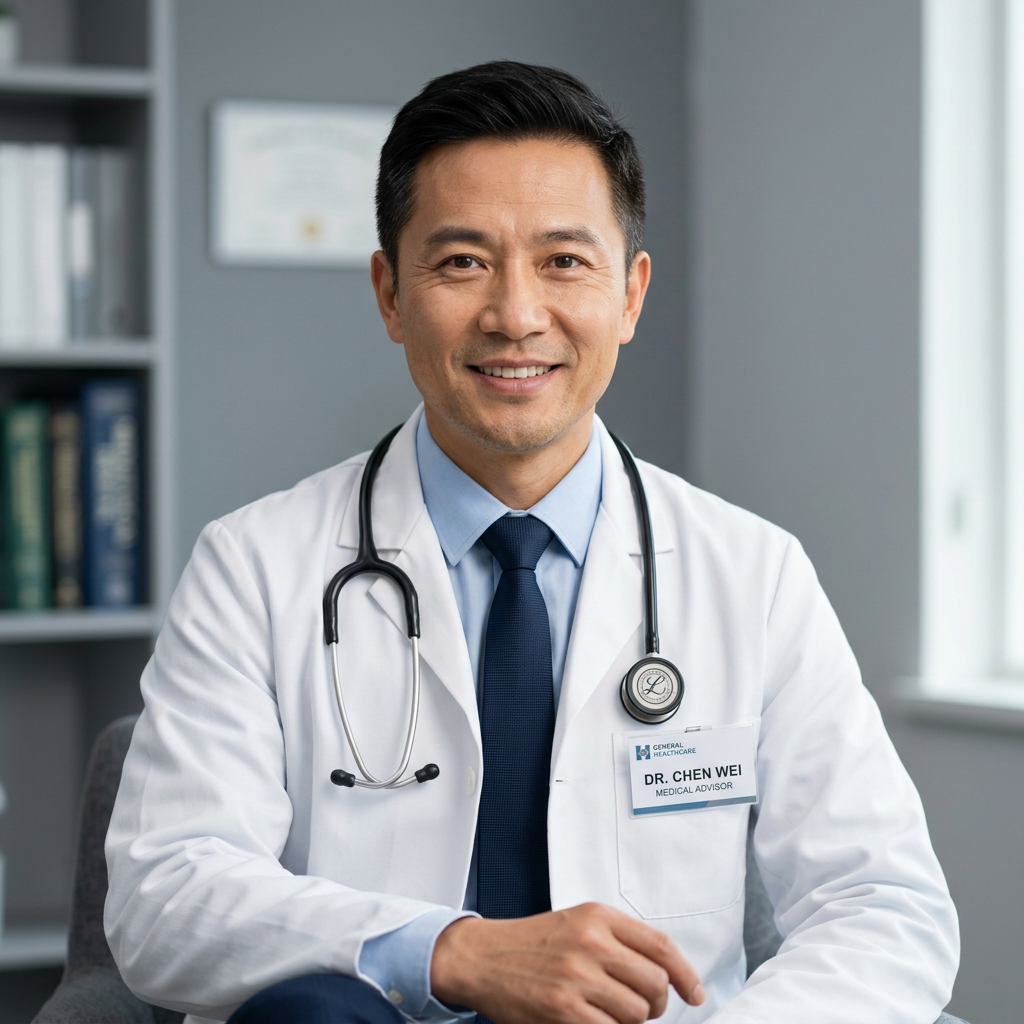
陈伟医生

陈伟医生

医学顾问

原北京协和医院国际医疗部主治医师。

Recovery and Rehabilitation in China: World-Class Aftercare at Affordable Prices

Surgery is only half the journey. True healing happens during recovery -- and where you choose to rehabilitate can make all the difference in your outcomes, comfort, and financial well-being. China has emerged as one of the most compelling destinations in the world for post-surgical rehabilitation and long-term recovery programs. With a powerful combination of modern medical infrastructure, centuries-old Traditional Chinese Medicine (TCM) therapies, and costs that are 60-80% lower than those in the United States and Europe, China offers international patients a rehabilitation experience that is not only affordable but genuinely world-class.

Whether you are recovering from orthopedic surgery, a neurological event like a stroke, cardiac procedures, or complex spinal operations, China's rehabilitation centers provide comprehensive, multidisciplinary aftercare programs that integrate the best of Western physical medicine with the unique healing traditions of TCM. This article explores why China is rapidly becoming the rehabilitation destination of choice for patients from around the globe, what types of programs are available, how much they cost, and what your day-to-day experience will look like.

Why China for Rehabilitation?

China's healthcare system has undergone a remarkable transformation over the past two decades. The country now boasts over 12,000 hospitals classified as Grade A, many of which house dedicated rehabilitation departments staffed by internationally trained specialists. China's rehabilitation medicine sector has benefited from massive government investment, with the national rehabilitation services market growing at over 20% annually. This growth has translated into state-of-the-art facilities, cutting-edge equipment, and deeply experienced clinical teams.

But the factor that truly distinguishes China from other rehabilitation destinations is its unique integration of TCM into evidence-based recovery protocols. No other country in the world can offer the same seamless blend of modern physiotherapy, robotic-assisted rehabilitation, and traditional healing arts like acupuncture, herbal medicine, and Tui Na massage -- all delivered under one roof by coordinated multidisciplinary teams. For international patients, this means access to a broader therapeutic toolkit, faster recovery timelines, and a more holistic healing experience than what is typically available in Western countries.

Types of Rehabilitation Programs Available

Physical Therapy and Musculoskeletal Rehabilitation

Physical therapy forms the backbone of rehabilitation in China, just as it does worldwide. Chinese rehabilitation hospitals employ licensed physical therapists who design individualized exercise programs, manual therapy protocols, and functional training regimens. What sets Chinese facilities apart is the scale of resources available: large therapy gymnasiums with the latest equipment, hydrotherapy pools, and dedicated one-on-one therapist time that can extend to 60-90 minutes per session -- far longer than the 20-30 minute sessions common in many Western outpatient settings.

Neurological Rehabilitation

Neurological rehabilitation is one of China's standout strengths. Patients recovering from stroke, traumatic brain injury, spinal cord injury, or neurodegenerative conditions can access comprehensive programs that combine conventional neurorehabilitation techniques with advanced technologies such as robotic-assisted gait training, transcranial magnetic stimulation (TMS), virtual reality therapy, and brain-computer interface-assisted training. China's high patient volumes in neurological rehabilitation mean that clinical teams have extensive experience managing complex cases, and outcomes data from leading centers are increasingly published in international peer-reviewed journals.

Cardiac Rehabilitation

Following heart surgery, angioplasty, or a cardiac event, structured cardiac rehabilitation is essential for long-term survival and quality of life. For patients considering cardiac procedures in China, our guide to heart surgery in China covers costs, hospitals, and what to expect. Chinese cardiac rehab programs follow international guidelines established by the American Heart Association and European Society of Cardiology, incorporating supervised exercise training, nutritional counseling, psychological support, and risk factor management. TCM modalities, particularly acupuncture and herbal medicine, are frequently integrated to support cardiovascular health, manage stress, and improve exercise tolerance.

Orthopedic Rehabilitation

Joint replacement, spinal surgery, fracture repair, and sports injury recovery are among the most common reasons international patients seek rehabilitation in China. Orthopedic rehab programs emphasize progressive mobilization, strength training, pain management, and functional restoration. Patients benefit from access to advanced modalities including shockwave therapy, platelet-rich plasma (PRP) treatments, and computer-assisted movement analysis -- technologies that are standard in top Chinese rehabilitation facilities but often prohibitively expensive or difficult to access in many other countries.

TCM-Integrated Recovery Programs

Perhaps the most distinctive offering in Chinese rehabilitation is the fully integrated TCM recovery program. These programs are not simply Western rehabilitation with acupuncture added on; they represent a genuinely holistic treatment philosophy in which TCM practitioners and Western-trained rehabilitation physicians collaborate daily to optimize each patient's recovery trajectory. TCM-integrated programs are particularly popular among international patients recovering from chronic pain conditions, complex surgical recoveries, and neurological injuries where conventional rehabilitation alone may have reached a plateau.

How Traditional Chinese Medicine Enhances Recovery

Traditional Chinese Medicine has been refined over more than 2,500 years, and its application in rehabilitation is supported by a growing body of modern clinical research. For a comprehensive introduction to TCM therapies and what to expect, see our dedicated guide on authentic TCM treatment in China. In China's rehabilitation centers, TCM is not practiced as an alternative to evidence-based medicine but as a powerful complement that addresses dimensions of recovery that Western physiotherapy alone may not fully reach.

Acupuncture

Acupuncture is the most extensively researched TCM modality in rehabilitation. Fine needles are inserted at specific points along the body's meridian system to stimulate neural pathways, reduce inflammation, and promote tissue healing. In rehabilitation settings, acupuncture is used to manage post-surgical pain (reducing the need for opioid medications), accelerate nerve regeneration after neurological injury, reduce muscle spasticity in stroke patients, and improve joint range of motion. Multiple systematic reviews and meta-analyses published in journals such as The Lancet and the British Medical Journal have confirmed acupuncture's efficacy for chronic pain and post-surgical recovery.

Herbal Medicine

Chinese herbal medicine in rehabilitation is prescribed as individualized formulations tailored to each patient's specific condition, constitution, and recovery phase. Common applications include formulations to reduce post-surgical swelling and inflammation, herbs that promote bone healing and connective tissue repair (such as Drynaria-based formulas traditionally used for fracture recovery), immune-supporting formulations for patients recovering from prolonged hospitalization, and digestive support herbs for patients whose appetite and nutritional status have been compromised. All herbal prescriptions in reputable Chinese rehabilitation hospitals are reviewed for potential interactions with any Western medications the patient is taking, ensuring safety and coordination of care.

Tui Na Medical Massage

Tui Na is a sophisticated form of therapeutic massage that uses specific manual techniques -- pressing, rolling, kneading, and joint mobilization -- to improve circulation, relieve muscle tension, reduce pain, and restore functional movement. Unlike general relaxation massage, Tui Na is a clinical intervention performed by trained practitioners who target specific musculoskeletal and neurological conditions. In rehabilitation, Tui Na is particularly effective for managing post-surgical adhesions, improving range of motion in stiff joints, reducing chronic pain, and addressing the myofascial restrictions that often limit recovery progress.

Top Rehabilitation Facilities for International Patients

China is home to several world-renowned rehabilitation centers that actively welcome international patients and provide multilingual support services. The following institutions represent the highest standard of rehabilitation care available in the country.

Huashan Hospital -- Shanghai

Affiliated with Fudan University, Huashan Hospital is consistently ranked among China's top three hospitals for rehabilitation medicine. Its Department of Rehabilitation Medicine is a national key clinical specialty, equipped with advanced robotic rehabilitation systems, comprehensive neurological rehabilitation programs, and a dedicated international patient center. Huashan's rehabilitation team includes over 60 specialized physicians and therapists, and the hospital has extensive experience treating international patients from across Asia, Europe, and North America.

China Rehabilitation Research Center (CRRC) -- Beijing

The CRRC, affiliated with Capital Medical University, is China's premier national rehabilitation institution and one of the largest rehabilitation centers in Asia. It serves as both a clinical treatment center and a national research hub for rehabilitation science. The CRRC offers comprehensive programs for spinal cord injury, traumatic brain injury, stroke recovery, pediatric rehabilitation, and musculoskeletal conditions. With over 1,000 rehabilitation beds and a multidisciplinary team of more than 300 specialists, the CRRC delivers an unmatched depth and breadth of rehabilitation services.

Sir Run Run Shaw Hospital -- Hangzhou

A joint venture between Zhejiang University School of Medicine and the Sir Run Run Shaw Foundation, this hospital is known for its international standards of care and was one of the first hospitals in China to receive JCI (Joint Commission International) accreditation. Its rehabilitation department specializes in post-surgical recovery, sports medicine rehabilitation, and integrative TCM recovery programs. The hospital's location in Hangzhou -- a city renowned for its natural beauty and mild climate -- makes it an especially attractive option for patients who want to combine their rehabilitation with a peaceful, restorative environment.

Tongji Hospital -- Wuhan

Affiliated with Huazhong University of Science and Technology, Tongji Hospital is one of Central China's most prestigious medical institutions. Its Department of Rehabilitation Medicine offers specialized programs in neurological rehabilitation, cardiac rehabilitation, and pediatric rehabilitation. Tongji is particularly noted for its research in stroke rehabilitation and its integration of TCM therapies into standard recovery protocols. The hospital's rehabilitation department has published extensively in international journals and participates in collaborative research with institutions across Europe and North America.

Cost Comparison: 4-Week Rehabilitation Programs

One of the most compelling reasons to choose China for rehabilitation is the dramatic cost savings. The following table compares estimated costs for a comprehensive 4-week inpatient rehabilitation program across several countries. These figures include accommodation, daily therapy sessions, physician consultations, medications, and diagnostic imaging as needed.

Rehabilitation Type China United States United Kingdom Thailand India
Stroke / Neurological Rehab $4,000 - $8,000 $30,000 - $60,000 $25,000 - $50,000 $8,000 - $15,000 $3,500 - $7,000
Post-Joint Replacement Rehab $3,000 - $6,000 $20,000 - $40,000 $18,000 - $35,000 $6,000 - $12,000 $2,500 - $5,500
Cardiac Rehabilitation $3,500 - $7,000 $25,000 - $50,000 $20,000 - $40,000 $7,000 - $13,000 $3,000 - $6,000
Spinal Cord Injury Rehab $5,000 - $10,000 $40,000 - $80,000 $35,000 - $65,000 $10,000 - $20,000 $4,500 - $9,000
TCM-Integrated Recovery $2,500 - $5,000 N/A (not widely available) N/A (not widely available) $5,000 - $9,000 N/A (not widely available)

Note: All costs are approximate and based on 2025-2026 pricing data. Actual costs may vary depending on the facility, severity of condition, and specific treatment protocols required. China's prices include TCM therapies as standard components of the rehabilitation program at no additional charge -- a benefit rarely available elsewhere.

The Patient Experience: From Arrival to Discharge

Understanding what to expect can ease much of the anxiety associated with seeking rehabilitation abroad. Here is a detailed overview of the typical patient journey at a leading Chinese rehabilitation facility.

Phase 1: Arrival and Intake (Days 1-2)

International patients are typically met at the airport by a hospital-arranged coordinator who provides transportation to the facility. Upon arrival, the intake process begins with administrative registration, insurance documentation, and an orientation to the facility. Many top rehabilitation centers assign a dedicated English-speaking patient liaison who remains the patient's primary point of contact throughout their stay. The first day also includes an initial nursing assessment, room assignment, and introduction to the ward team.

Phase 2: Comprehensive Assessment (Days 2-3)

A thorough multidisciplinary assessment is the foundation of every rehabilitation program. This typically involves evaluations by a rehabilitation physician, physical therapist, occupational therapist, and -- at most Chinese facilities -- a TCM practitioner. Diagnostic assessments may include MRI or CT imaging, electromyography, functional capacity evaluations, gait analysis, cognitive assessments (for neurological patients), and a full TCM diagnostic workup including pulse and tongue diagnosis. Based on these assessments, the team develops a personalized rehabilitation plan with specific, measurable goals and a projected timeline.

Phase 3: Active Rehabilitation (Weeks 1-4)

The daily rehabilitation schedule is intensive but carefully structured to optimize recovery without causing burnout. A typical day might look like this:

  • 7:00 AM: Wake-up, vital signs check, and breakfast (nutritional meals designed by hospital dietitians)
  • 8:30 AM: Morning physical therapy session (60-90 minutes) -- may include gait training, strength exercises, balance work, or hydrotherapy
  • 10:30 AM: Acupuncture or TCM treatment session (30-45 minutes)
  • 11:30 AM: Occupational therapy session (45-60 minutes) -- focused on daily living skills and fine motor recovery
  • 12:30 PM: Lunch and rest period
  • 2:30 PM: Afternoon physical therapy or specialized treatment (robotic-assisted therapy, TMS, or hydrotherapy)
  • 4:00 PM: Tui Na massage or additional TCM treatment
  • 5:00 PM: Free time, psychological counseling if needed, or gentle Qi Gong exercise
  • 6:00 PM: Dinner
  • 7:30 PM: Evening herbal medicine administration, relaxation, and rest

Progress is monitored continuously, with formal reassessments conducted weekly. The rehabilitation plan is adjusted as the patient improves, with therapy intensity and complexity increasing progressively. Family members are encouraged to participate in education sessions to learn how to support the patient's continued recovery after discharge.

Phase 4: Discharge and Continuing Care (Final Days)

As the rehabilitation program nears completion, the clinical team conducts a comprehensive discharge assessment, comparing outcomes against the initial baseline. Patients receive a detailed discharge report (provided in English) summarizing their progress, current functional status, and recommendations for ongoing care. A personalized home exercise program is created, often supplemented with video demonstrations. For patients who wish to continue TCM treatments at home, herbal prescriptions and acupuncture point maps are provided. The hospital's international patient department can also facilitate telemedicine follow-up consultations to monitor long-term progress after the patient returns home.

Combining Recovery with Cultural Experiences

One of the hidden advantages of rehabilitating in China is the opportunity to immerse yourself in a rich and ancient culture during your recovery. Many patients find that cultural engagement becomes an important part of their healing process, providing mental stimulation, emotional uplift, and a sense of purpose during what can otherwise be a challenging period.

In Shanghai, patients at Huashan Hospital can enjoy gentle walks along the Bund waterfront during supervised outings, visit serene traditional gardens like Yu Garden, or explore the city's vibrant cultural scene. In Beijing, patients at the CRRC can arrange weekend visits to the Temple of Heaven park -- a particularly meaningful destination given its historical connection to health and harmony -- or experience calligraphy and painting classes that double as fine motor therapy. In Hangzhou, Sir Run Run Shaw Hospital's proximity to the UNESCO-listed West Lake provides an incomparably beautiful setting for outdoor rehabilitation activities, gentle walking programs, and meditation practice beside tranquil waters surrounded by tea plantations and ancient pagodas.

Wuhan offers its own cultural riches, from the scenic East Lake Greenway -- ideal for progressive walking programs -- to the historic Yellow Crane Tower and the city's renowned culinary traditions. Many rehabilitation facilities actively incorporate cultural outings into their programs, recognizing that psychological well-being and environmental engagement are integral to physical recovery.

China's world-renowned cuisine also plays a role in recovery. Hospital nutritionists work with kitchen staff to prepare meals that align with both modern nutritional science and TCM dietary therapy principles. Patients often discover that the emphasis on warm, nourishing, easily digestible foods -- a hallmark of Chinese medical dietary practice -- supports their recovery in ways they did not anticipate.

Start Your Recovery Journey with OrientHealthLink

Choosing where to rehabilitate is one of the most important decisions you will make after surgery or a major health event. China offers an unparalleled combination of clinical excellence, therapeutic diversity, cultural richness, and affordability that is difficult to match anywhere else in the world.

OrientHealthLink is here to guide you through every step of your rehabilitation journey in China. Our team of medical tourism specialists will help you select the right rehabilitation facility for your specific condition, coordinate with your home physicians to ensure continuity of care, arrange travel and accommodation logistics, and provide dedicated support throughout your stay. For help preparing for your trip, see our complete pre-travel checklist. We work directly with the international patient departments of China's leading rehabilitation hospitals to ensure you receive priority access and personalized attention.

Do not let the cost of rehabilitation compromise your recovery. Contact OrientHealthLink today for a free consultation and personalized rehabilitation cost estimate. Your path to full recovery starts here.

rehabilitation Chinarecovery after surgery Chinaphysical therapy ChinaTCM rehabilitationmedical aftercare China
分享:

关注医疗旅行最新资讯

获取免费指南 + 每周医疗旅游专家洞察,直达您的邮箱。

相关服务

准备好迈出下一步了吗?

了解为国际患者量身定制的中西医结合治疗和慢性病管理方案。

了解中医与慢性病治疗

准备好探索中国的医疗服务了吗?

联系我们获取免费咨询,我们的专业团队将为您量身定制医疗旅行方案。

免费咨询
返回博客