1(213)276-6416|国际医疗协调服务 · 北京
English登录免费注册 →
OrientHealthLink
OrientHealth国际医疗服务
首页健康体检手术与治疗慢性病调理疾病治疗合作医院套餐价格博客联系我们
免费开始 →费用计算器 · 患者故事 · 无需绑卡

获取免费医疗旅游指南

下载完整指南 + 每周获取专家建议

OrientHealthLink

总部位于北京 · 国际医疗协调服务

"透明定价——无隐藏费用。详见定价页面。"

快速链接

服务流程合作医院慢性病调理安全保障套餐价格会员博客联系我们合作推广成为地接

联系方式

info@orienthealthlink.com1(213)276-6416WhatsApp 咨询

北京市昌平区北七家未来科学城(北京协调团队)

医疗免责声明:OrientHealthLink 是医疗旅行协调服务提供商,不是医疗机构。本网站内容仅供一般信息参考,不构成医疗建议、诊断或治疗方案。我们不提供任何形式的医疗诊断、治疗建议或健康评估服务。所有医疗决策应由您与具有执业资格的医师共同做出。本网站提及的中医疗法效果因人而异,相关描述基于传统中医理论,不代表对特定疗效的保证。跨境医疗涉及复杂的法律和健康风险,建议您在做出决定前咨询专业法律和医疗顾问。

© 2024–2026 OrientHealthLink. All rights reserved.

服务条款隐私政策
返回博客
Patient Story2026-07-2112 分钟阅读

底特律汽车工人北京肩关节置换手术:1.14万美元 vs 5.8万美元——完整患者故事

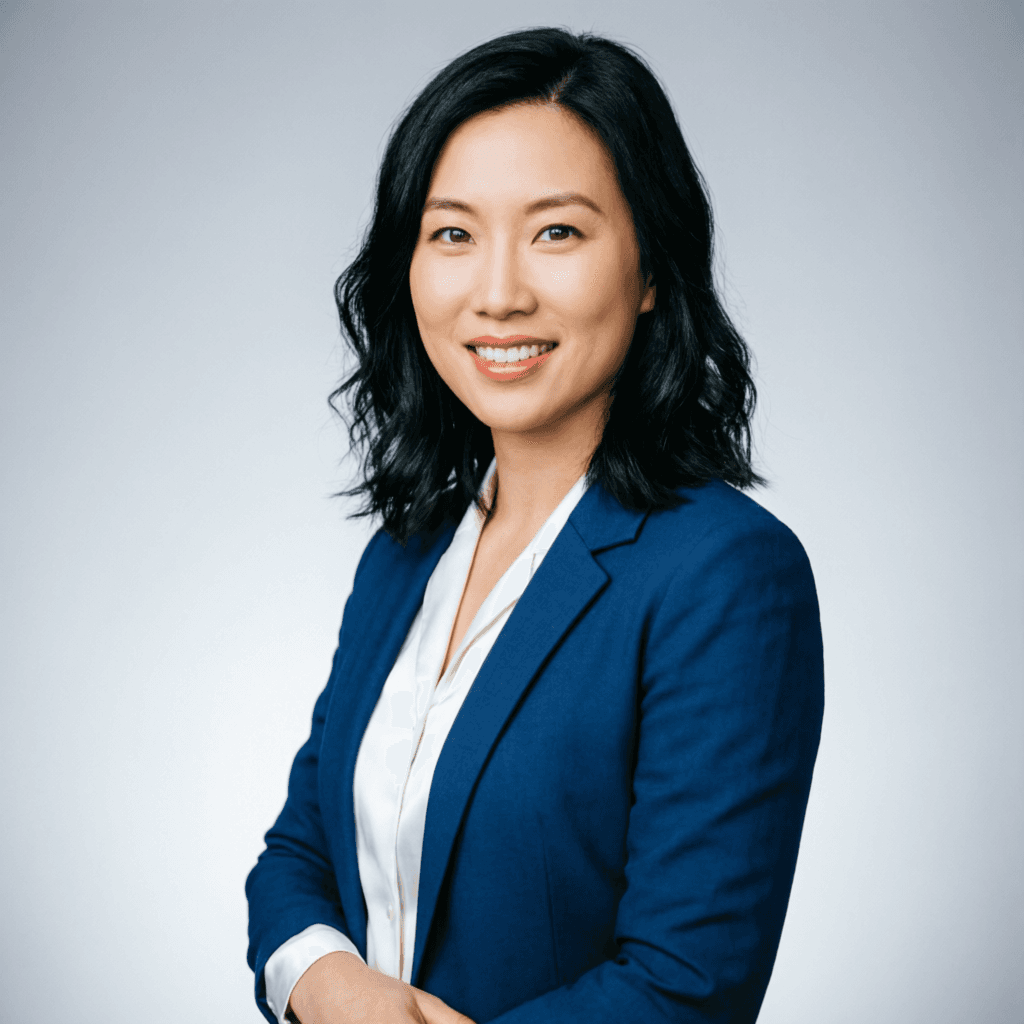
林思瑶

林思瑶

高级医疗旅行协调员

8年在北京和上海协调国际患者医疗服务经验。

A Detroit Auto Worker's Shoulder Replacement in Beijing: $11,400 vs. $58,000 — His Full Patient Story

Quick Answer

Marcus Reed, a 56-year-old Detroit assembly-line worker, had a total shoulder replacement at a top Beijing orthopedic hospital for $11,400 all-in, including flights and hotel. The same procedure was quoted at $58,000 in Michigan with a nine-week wait. He returned to light duty six weeks after surgery and full duty after fourteen weeks.

Key Facts at a Glance

  • Patient: Marcus Reed, 56, auto assembly worker from Detroit, Michigan
  • Procedure: Total shoulder replacement (arthroplasty) for end-stage osteoarthritis
  • Hospital: Beijing Jishuitan Hospital, top-ranked Chinese orthopedics center
  • Total cost in China: $11,400 including flights, hotel, surgery, and rehab
  • US quoted cost: $58,000 facility fee plus $6,200 surgeon and anesthesia
  • Wait time in China: 5 days from arrival to surgery; US estimate: 9 weeks
  • Return to light duty: 6 weeks; return to full assembly-line work: 14 weeks
  • Implant: US-FDA-cleared titanium/polyethylene system imported through hospital

Marcus Reed spent twenty-three years installing dashboard assemblies at a Detroit truck plant. It is the kind of work that punishes the same joints every day: reaching overhead, torqueing fasteners, bracing panels. By the time he turned fifty-four, his right shoulder had gone from sore at the end of a shift to genuinely unreliable. "I dropped my coffee mug one morning," he told us. "Then I dropped a socket wrench that afternoon. That's when I knew it wasn't just getting old."

This is the story of how a blue-collar worker from Michigan ended up flying halfway around the world for shoulder surgery — why he did it, what it cost, what went well, what was harder than he expected, and what he would tell another working person staring at a hospital bill they cannot pay.

When "Power Through It" Stops Working

For two years, Marcus treated shoulder pain the way many factory workers do: ibuprofen, ice packs, and refusing to complain. His primary care physician ordered X-rays in early 2024. They showed moderate osteoarthritis. The recommendation was physical therapy and a cortisone shot.

The cortisone helped for five weeks. The second shot helped for three. By the fall of 2024, a new X-ray showed bone-on-bone wear in the glenohumeral joint. His orthopedic surgeon in Detroit was direct: Marcus needed a total shoulder replacement. Without it, he would lose overhead reach permanently and likely develop compensatory neck and elbow problems.

"He told me the truth," Marcus said. "He said, 'Marcus, this joint is done. We can manage pain for a while, but the only fix is replacing it.'"

The US Numbers That Changed His Mind

Marcus had insurance through the auto workers' union, but it was a high-deductible plan with a $7,500 deductible and 20 percent coinsurance after that. The hospital's facility quote for a total shoulder replacement was $58,000. The surgeon's fee was $4,800. Anesthesia was another $1,400. Pre-operative imaging, physical therapy, and post-op rehabilitation would add roughly $3,200 more.

His estimated out-of-pocket total: about $17,800.

Then came the scheduling. The earliest available surgical date was nine weeks out. For a man paid hourly on the assembly line, nine weeks of waiting meant nine more weeks of worsening pain, reduced productivity, and the constant risk that the plant would move him to a lower-wage light-duty role he could not afford to accept.

"I sat at my kitchen table with my wife and ran the numbers," Marcus said. "Even with insurance, I'm looking at eighteen grand. And I still have to wait two months while my shoulder falls apart. It didn't make sense."

If you are trying to understand how surgery pricing in China compares to US quotes for your own situation, our complete 2026 cost comparison guide breaks down real prices for shoulder, knee, hip, heart, spine, and fertility procedures.

Finding Beijing Jishuitan Hospital

Marcus's research started the same way many patients begin: late-night searches, Reddit threads, and skepticism. He found Beijing Jishuitan Hospital mentioned repeatedly in orthopedic forums. It is consistently ranked among China's top three hospitals for orthopedics and sports medicine, performing more than 8,000 joint replacements annually across its shoulder, knee, and hip centers.

He also found OrientHealthLink through a forum discussion about international patient coordination. He submitted his X-rays, MRI reports, and a short medical summary through the website and received a free assessment within 48 hours.

"I didn't want a sales pitch," Marcus said. "I wanted someone to look at my imaging and tell me if this was realistic. The coordinator came back and said, 'Your case is straightforward for this team. Here is the surgical plan, the surgeon's name, and the exact cost.' No vagueness. That mattered to me."

You can see how Jishuitan and other top Chinese hospitals rank for international patients in our 2026 ranking of China's best hospitals for foreigners.

Preparation and Travel

Once Marcus decided to proceed, OrientHealthLink handled the logistics: visa invitation letter, airport pickup, hotel booking near the hospital, and appointment scheduling. For Americans considering the same path, our complete visa and travel guide explains the medical visa process, flight routing, and arrival procedures.

He flew Detroit → Chicago → Beijing on a Sunday, arriving Tuesday afternoon local time. A coordinator met him at Beijing Capital International Airport and drove him to a hotel ten minutes from the hospital. "I was nervous," he admitted. "But I was also in so much pain that I just wanted it done."

On Wednesday, he had his first consultation with Dr. Wang, an orthopedic surgeon who specializes in shoulder and elbow reconstruction. Dr. Wang reviewed Marcus's US imaging, ordered fresh CT and MRI scans, and confirmed the plan: total shoulder arthroplasty with a cementless titanium humeral component and polyethylene glenoid insert. The implant was a US-FDA-cleared system imported through the hospital's international procurement channel.

Surgery Day

On Friday morning, five days after Marcus arrived in Beijing, he was taken to the operating room. The surgery took two hours and ten minutes. Dr. Wang performed the procedure through a deltopectoral approach, removed the destroyed joint surfaces, and implanted the new components.

"I woke up and the grinding pain was just gone," Marcus said. "Not the surgical pain — that was there. But the deep bone-on-bone ache I'd had for two years? Gone. I knew immediately it had worked."

He spent three nights in the hospital. Pain was managed with a multimodal protocol including nerve block, oral medication, and cold therapy. Physical therapy began the morning after surgery with gentle pendulum exercises and assisted elbow and wrist movement.

The Hard Parts

Marcus wanted us to be honest about what was difficult. The first was sleep. Lying flat was uncomfortable for the first week, and jet lag compounded the problem. His coordinator arranged extra pillows and a reclining chair in his hotel room.

The second was food. Hospital food and nearby restaurants were unfamiliar. "I'm a simple guy," he said. "I like burgers and eggs. But I found a Western-style café near the hotel and the coordinator pointed me to a grocery store with bread and peanut butter. After three days, I figured it out."

The third was the emotional distance. Marcus's wife could not take time off work to accompany him. "FaceTime helps, but at 3 AM when your shoulder hurts and you're alone in a hotel room in China, you feel very far from home," he said. "That was harder than the surgery itself."

Rehabilitation in Beijing

After discharge, Marcus stayed in Beijing for eleven more days for outpatient rehabilitation. Sessions were daily at first, then every other day. The protocol focused on protecting the repaired rotator cuff while gradually restoring range of motion. By day ten post-op, he had 90 degrees of forward flexion. By day fourteen, he reached 120 degrees.

For more detail on what post-surgical rehabilitation looks like for international patients, including facility standards and therapy frequency, see our aftercare and rehabilitation guide.

"The physical therapist didn't speak much English," Marcus said, "but she demonstrated everything, and my coordinator translated the key instructions. They were careful. They pushed me, but never recklessly."

What It Actually Cost

Here is Marcus's complete spending from his front door in Detroit to his return home:

Item Cost (USD)
Round-trip flights (Detroit → Beijing) $1,180
Hotel (14 nights near hospital) $980
Hospital fees (surgery, anesthesia, 3-night stay) $6,400
Implant and prosthesis $1,450
Pre-op imaging and labs $420
Outpatient rehabilitation (10 sessions) $380
OrientHealthLink coordination fee $350
Food, transport, and miscellaneous $240
Total $11,400

The US facility quote alone was $58,000. With surgeon and anesthesia fees, the quoted US total was approximately $64,200. Even after insurance, Marcus would have paid roughly $17,800 out of pocket. His all-in China cost was $11,400 — a savings of more than $6,400 versus his insured US cost, and more than $52,000 versus the sticker price.

Shoulder Replacement Cost Comparison: China vs. US vs. UK vs. India

Cost Component China (Beijing) United States United Kingdom (Private) India
Total shoulder replacement surgery $6,000 – $9,500 $40,000 – $70,000 $18,000 – $28,000 $5,000 – $9,000
Hospital stay (per night) $150 – $300 $2,500 – $5,000 $800 – $1,500 $100 – $250
Implant/prosthesis $1,200 – $2,200 $5,000 – $10,000 $3,000 – $6,000 $1,000 – $2,000
Pre-operative imaging $300 – $600 $1,500 – $3,500 $600 – $1,200 $200 – $500
Outpatient rehabilitation (10 sessions) $300 – $500 $1,500 – $3,000 $900 – $1,800 $250 – $500
Typical wait time for surgery 3 – 10 days 2 – 12 weeks 4 – 16 weeks (NHS longer) 1 – 3 weeks
All-inclusive international package $10,000 – $14,000 Not typically offered Not typically offered $7,000 – $12,000

Prices reflect cash/self-pay estimates and vary by hospital, implant choice, and patient complexity. China offers a balance of lower cost and large-volume surgical expertise that compares favorably with Western alternatives for patients paying out of pocket.

Three Months Later: Back on the Line

Marcus returned to Detroit after seventeen days in China. He continued physical therapy at an outpatient clinic near his home, following the written protocol the Beijing team provided. His US therapist was initially surprised by the detailed Chinese discharge notes but found the range-of-motion milestones appropriate.

At six weeks post-op, Marcus returned to light duty — paperwork and inspection tasks that did not require overhead reaching. At fourteen weeks, he returned to full assembly-line work with a 15-pound lifting restriction for another month. By week twenty, he was working his normal rotation without restrictions.

"The first day back on the line, I reached up to guide a wiring harness into place," he said. "I did it without thinking. Then I realized what I'd just done. Two years ago that motion would have made me see stars."

What Marcus Would Tell Another Worker

We asked Marcus what he would say to someone in a similar situation — hourly pay, high-deductible insurance, and a joint that needs fixing.

"Don't let pride or fear keep you from looking at every option. I was skeptical about China. I thought it would be some sketchy overseas clinic. It wasn't. It was a huge modern hospital with surgeons who do nothing but shoulders and knees all day, every day. The numbers are real. The care is real. Just do your homework, ask hard questions, and don't go alone if you can help it."

Frequently Asked Questions

How much does a total shoulder replacement cost in China for international patients?

International patients typically pay $6,000 to $9,500 for the surgical procedure itself, with all-inclusive packages including hotel, airport transfers, interpretation, and rehabilitation ranging from $10,000 to $14,000. The exact cost depends on the hospital, the implant selected, and whether the patient needs additional pre-operative testing or extended rehabilitation.

Is shoulder replacement surgery in China safe for American patients?

Yes, when performed at major orthopedic centers such as Beijing Jishuitan Hospital, Peking University Third Hospital, or Shanghai Huashan Hospital, shoulder replacement surgery is performed by fellowship-trained surgeons using internationally sourced implants. These hospitals perform thousands of joint replacements annually, maintain strict infection-control protocols, and publish outcomes in peer-reviewed journals.

How long do I need to stay in China after shoulder replacement surgery?

Most patients stay 14 to 18 days total, including 2 to 4 nights in the hospital and 10 to 14 nights in a nearby hotel for outpatient rehabilitation and final follow-up. This allows the surgical team to monitor wound healing, confirm implant position on X-ray, and ensure the patient has a safe range of motion before flying home.

Will my US health insurance cover surgery in China?

Most US insurance plans do not cover elective surgery abroad, although some premium international plans or self-insured employer plans may offer limited reimbursement. Many patients treat China as a self-pay option because the cash price is often lower than their US deductible and coinsurance. OrientHealthLink provides itemized receipts and medical reports that patients can submit to their insurers for possible out-of-network reimbursement.

How soon can I fly home after shoulder replacement surgery in China?

Patients are generally cleared to fly 10 to 14 days after surgery, depending on recovery progress, flight duration, and risk of blood clots. For long-haul flights, surgeons recommend walking the aisle every hour, staying hydrated, and wearing compression stockings. Marcus flew home on day seventeen and reported no complications.

What kind of implant is used in Chinese shoulder replacement surgery?

Top Chinese hospitals use implants from major international manufacturers such as Zimmer Biomet, Stryker, DePuy Synthes, and Smith+Nephew, many of which are FDA-cleared and CE-marked. Patients can request documentation of the implant's brand, model, and serial number for their records and for follow-up care with their home-country orthopedic surgeon.

Can I get physical therapy back home after surgery in China?

Yes. The surgical team provides a written rehabilitation protocol in English, including range-of-motion targets, strengthening progressions, and precautions. Most patients continue outpatient physical therapy in their home city for 8 to 16 weeks. Marcus completed twelve weeks of US-based therapy after returning from Beijing.

How do I start the process if I am considering shoulder surgery in China?

The first step is to submit your recent imaging and medical records for a free assessment. OrientHealthLink reviews cases with the appropriate surgical team, confirms candidacy, provides a fixed-price quote, and handles travel logistics, interpretation, and follow-up coordination. You can request a free assessment here or view standard service and pricing details to understand how coordination works.

Want to know what YOUR shoulder surgery would cost in China?

Get a personalized estimate based on your imaging, diagnosis, and treatment goals.

Get My Free Estimate View Pricing

Or reach us directly on WhatsApp: +86 152-1078-0345

shoulder replacement chinashoulder arthroplasty china costmedical tourism china patient storybeijing shoulder surgeryshoulder replacement abroad
分享:

关注医疗旅行最新资讯

获取免费指南 + 每周医疗旅游专家洞察,直达您的邮箱。

相关服务

准备好迈出下一步了吗?

从初次咨询到术后随访,我们为您的中国医疗之旅处理每一个细节。

了解我们的服务

准备好探索中国的医疗服务了吗?

联系我们获取免费咨询,我们的专业团队将为您量身定制医疗旅行方案。

免费咨询
返回博客