1(520)244-6200|国际医疗协调服务 · 北京
English登录免费注册 →
OrientHealthLink
OrientHealth国际医疗服务
首页健康体检手术与治疗慢性病调理疾病治疗合作医院套餐价格博客联系我们
免费开始 →费用计算器 · 患者故事 · 无需绑卡

获取免费医疗旅游指南

下载完整指南 + 每周获取专家建议

OrientHealthLink

国际医疗协调服务 · 北京

"我们与医院合作,不是为了佣金。"

快速链接

服务流程合作医院慢性病调理安全保障套餐价格会员博客联系我们合作推广

联系方式

info@orienthealthlink.com1(520)244-6200

北京市昌平区北七家未来科学城

医疗免责声明:OrientHealthLink 是医疗旅行协调服务提供商,不是医疗机构。本网站内容仅供一般信息参考,不构成医疗建议、诊断或治疗方案。我们不提供任何形式的医疗诊断、治疗建议或健康评估服务。所有医疗决策应由您与具有执业资格的医师共同做出。本网站提及的中医疗法效果因人而异,相关描述基于传统中医理论,不代表对特定疗效的保证。跨境医疗涉及复杂的法律和健康风险,建议您在做出决定前咨询专业法律和医疗顾问。

版权所有 © 2026 OrientHealthLink. 保留所有权利。

服务条款隐私政策
返回博客
Treatment2026-03-2613 分钟阅读

中国干细胞治疗:国际患者的平衡指南

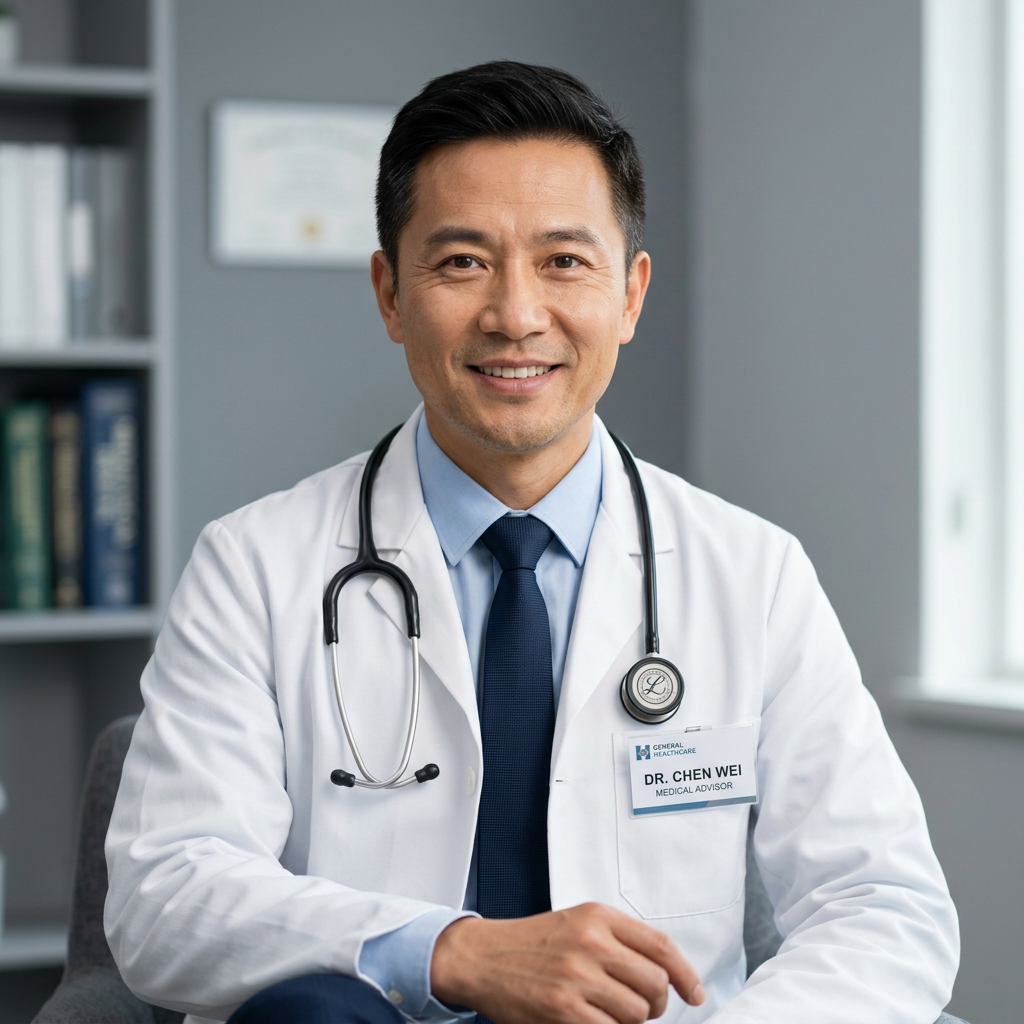
陈伟医生

陈伟医生

医学顾问

原北京协和医院国际医疗部主治医师。

Stem Cell Therapy in China: A Comprehensive Guide for International Patients 2026

China has emerged as a global leader in stem cell research and regenerative medicine, offering cutting-edge treatments that attract patients worldwide. With advanced facilities, experienced medical teams, and competitive pricing, Chinese hospitals provide access to innovative therapies for conditions ranging from neurological disorders to joint degeneration. This guide explores what makes China exceptional for stem cell treatment, what to realistically expect, and how platforms like OrientHealthLink can facilitate your medical journey.

Why China Leads in Stem Cell Research

China's rapid advancement in stem cell therapy stems from substantial government investment, world-class research institutions, and progressive regulatory frameworks that balance innovation with patient safety.

Research Excellence and Investment

The Chinese government has prioritized biotechnology as a strategic industry, investing over $2.3 billion annually in stem cell research. This commitment has established China among the top three countries globally for stem cell publications, alongside the United States and Japan.

Key research hubs include:

  • Chinese Academy of Sciences - Leading basic research in induced pluripotent stem cells (iPSC)
  • Beijing Institute of Transfusion Medicine - Specializing in hematopoietic stem cell applications
  • Shanghai Institutes for Biological Sciences - Pioneering mesenchymal stem cell therapies
  • Guangzhou Institutes of Biomedicine and Health - Advancing clinical translation research

Regulatory Environment

China operates under a dual-track regulatory system that distinguishes between minimally manipulated stem cells (regulated as medical devices) and more complex cellular therapies (regulated as biological products). The National Medical Products Administration (NMPA) has approved several stem cell-based treatments, particularly for hematopoietic conditions and certain orthopedic applications.

This regulatory clarity attracts international pharmaceutical companies seeking clinical trial partnerships, further accelerating innovation and treatment availability.

Types of Stem Cell Therapies Available in China

Chinese medical facilities offer various stem cell treatment modalities, each suited to specific conditions and therapeutic goals.

Mesenchymal Stem Cells (MSCs)

Mesenchymal stem cells represent the most commonly used stem cell type in Chinese clinics, sourced primarily from:

  • Umbilical cord tissue - Young, potent cells with excellent proliferation capacity
  • Adipose tissue - Abundant source from the patient's own fat tissue
  • Bone marrow - Traditional source with proven safety profile

MSC therapies excel in treating inflammatory conditions, promoting tissue regeneration, and modulating immune responses. They're particularly effective for orthopedic conditions, autoimmune disorders, and certain neurological applications.

Hematopoietic Stem Cells

These blood-forming stem cells have been successfully used in China for decades, primarily for:

  • Blood cancers (leukemia, lymphoma)
  • Inherited blood disorders (thalassemia, sickle cell disease)
  • Bone marrow failure syndromes
  • Certain autoimmune conditions

China's experience with hematopoietic stem cell transplantation rivals that of leading Western centers, with specialized facilities in major cities maintaining international accreditation standards.

Induced Pluripotent Stem Cells (iPSC)

China leads Asia in iPSC research, developing patient-specific stem cells that can differentiate into any cell type. While still largely experimental, iPSC therapies show promise for:

  • Parkinson's disease treatment
  • Spinal cord injury repair
  • Cardiac muscle regeneration
  • Personalized medicine applications

Several Chinese institutions conduct clinical trials involving iPSC-derived treatments, positioning the country at the forefront of personalized regenerative medicine.

Conditions Treated with Stem Cell Therapy

Chinese stem cell centers treat a wide spectrum of conditions, though effectiveness varies significantly by condition and individual circumstances.

Neurological Disorders

Stroke recovery represents one of the most promising applications, with studies showing improved motor function in 60-70% of treated patients. Other neurological conditions include:

  • Spinal cord injuries - Functional improvement in incomplete injuries
  • Parkinson's disease - Symptom stabilization and reduced medication needs
  • Multiple sclerosis - Disease progression slowing in some cases
  • Alzheimer's disease - Experimental treatments showing cognitive preservation

It's crucial to understand that while stem cell therapy can slow progression and improve quality of life, it rarely provides complete cures for neurodegenerative conditions.

Autoimmune Diseases

Mesenchymal stem cells' immunomodulatory properties make them particularly valuable for autoimmune conditions:

  • Rheumatoid arthritis - Reduced inflammation and joint damage
  • Systemic lupus erythematosus - Disease activity reduction
  • Type 1 diabetes - Preserving remaining insulin production
  • Inflammatory bowel disease - Remission induction and maintenance

Results typically involve reduced medication dependence and improved symptom control rather than complete elimination of autoimmune activity.

Joint and Cartilage Repair

Orthopedic applications show some of the most consistent positive outcomes:

  • Osteoarthritis - Pain reduction and functional improvement in 70-80% of patients
  • Sports injuries - Accelerated healing of ligament and tendon injuries
  • Cartilage defects - Structural improvement in focal cartilage damage
  • Avascular necrosis - Hip preservation in early stages

These treatments work best as part of comprehensive rehabilitation programs combining physical therapy and lifestyle modifications.

Anti-Aging and Regenerative Applications

While heavily marketed, anti-aging stem cell treatments require realistic expectations:

  • Skin rejuvenation - Modest improvement in texture and appearance
  • Hair restoration - Limited evidence for significant hair regrowth
  • General vitality - Subjective improvements in energy levels
  • Immune system support - Potential benefits for age-related immune decline

Marketing claims often exceed scientific evidence in this category, making informed decision-making essential.

Leading Hospitals and Treatment Centers

Several Chinese institutions have established international reputations for stem cell therapy excellence.

Beijing Puhua International Hospital

This Joint Commission International-accredited facility specializes in regenerative medicine, offering comprehensive stem cell programs for neurological and orthopedic conditions. Their multidisciplinary approach combines stem cell therapy with traditional Chinese medicine and modern rehabilitation techniques.

International patient services include English-speaking medical teams, visa assistance, and coordinated care packages.

Beike Biotechnology Partnerships

Through collaborations with multiple Chinese hospitals, Beike Biotechnology provides standardized umbilical cord-derived stem cell treatments. Their network includes facilities in Shenzhen, Guangzhou, and Shanghai, ensuring consistent treatment protocols and quality control.

Beike's extensive clinical experience—having treated over 50,000 patients—provides valuable outcome data and safety monitoring.

Chinese PLA General Hospital (301 Hospital)

As China's premier military medical center, 301 Hospital offers cutting-edge stem cell research programs alongside clinical applications. Their neurology department pioneers stroke recovery treatments, while their orthopedic division excels in joint regeneration therapies.

The hospital's research foundation facilitates access to experimental treatments through approved clinical trials.

Shanghai East Hospital

Part of Tongji University, this facility integrates stem cell therapy with traditional Chinese medicine approaches. Their cardiovascular stem cell programs show particular promise for heart disease applications.

The hospital's international medical department provides comprehensive support for foreign patients, including cultural accommodation and family involvement in treatment planning.

Cost Comparison and Financial Considerations

Stem cell therapy costs in China remain significantly lower than in Western countries, though prices vary considerably based on treatment type and complexity.

Treatment Type China (USD) United States (USD) Europe (USD) Typical Duration
Knee Osteoarthritis (Single Joint) $8,000-$15,000 $15,000-$30,000 $12,000-$25,000 1-2 weeks
Stroke Recovery Program $12,000-$25,000 $30,000-$60,000 $25,000-$50,000 3-4 weeks
Spinal Cord Injury $15,000-$35,000 $50,000-$100,000 $40,000-$80,000 4-6 weeks
Autoimmune Disease Protocol $10,000-$20,000 $25,000-$50,000 $20,000-$40,000 2-3 weeks
Hematopoietic Transplant $40,000-$80,000 $200,000-$400,000 $150,000-$300,000 6-8 weeks
Anti-Aging/Cosmetic $5,000-$12,000 $15,000-$35,000 $12,000-$30,000 1 week

These costs typically include initial consultation, treatment procedures, basic accommodation, and preliminary testing. Additional expenses may include specialized rehabilitation, extended stays, or combination therapies.

Many Chinese hospitals offer payment plans or medical loan options for international patients, making treatments more financially accessible. Platforms like OrientHealthLink can help coordinate financing options and insurance considerations.

Realistic Expectations vs. Marketing Hype

The stem cell therapy landscape unfortunately includes exaggerated claims and unrealistic promises that patients must navigate carefully.

What Stem Cell Therapy Can Realistically Achieve

  • Symptom management - Reducing pain, improving function, slowing disease progression
  • Quality of life enhancement - Enabling better daily activities and independence
  • Reduced medication dependence - Lower doses of immunosuppressants or pain medications
  • Accelerated healing - Faster recovery from injuries or surgical procedures
  • Disease stabilization - Halting or slowing progression of degenerative conditions

What Stem Cell Therapy Cannot Do

  • Provide miraculous cures - Most conditions require ongoing management
  • Restore completely normal function - Improvements are typically partial and gradual
  • Eliminate underlying disease processes - Autoimmune conditions remain chronic
  • Reverse aging completely - Anti-aging effects are modest and temporary
  • Replace conventional treatments entirely - Usually works best as complementary therapy

Success rates vary significantly by condition, with orthopedic applications generally showing more predictable outcomes than neurological or autoimmune treatments. Individual factors including age, disease duration, and overall health substantially influence results.

Safety and Regulatory Standards

China maintains rigorous safety standards for stem cell treatments, with multiple oversight mechanisms protecting patient welfare.

Quality Control Measures

  • Laboratory accreditation - All stem cell processing facilities must meet international quality standards
  • Physician certification - Specialists require additional training and certification in regenerative medicine
  • Patient screening - Comprehensive evaluation to determine treatment suitability
  • Outcome monitoring - Long-term follow-up tracking required for most treatments

Risks and Side Effects

While generally safe when properly administered, stem cell treatments carry potential risks:

  • Infection - Risk associated with injection procedures (less than 1%)
  • Immune reactions - Rare allergic responses to cell preparations
  • Tumor formation - Extremely rare with properly processed adult stem cells
  • Disease transmission - Eliminated through rigorous donor screening
  • Unrealistic expectations - Psychological impact of disappointing results

Reputable Chinese facilities maintain adverse event reporting systems and participate in national safety databases, ensuring continuous quality improvement.

Navigating Treatment in China

International patients benefit from comprehensive support services that simplify the medical tourism experience.

Pre-Treatment Planning

Effective preparation involves several key steps:

  • Medical record review - Detailed assessment of your condition and treatment history
  • Facility selection - Matching your needs with appropriate expertise and technology
  • Timeline coordination - Scheduling around your personal and professional commitments
  • Financial planning - Understanding total costs and payment options
  • Travel arrangements - Visa requirements, accommodation, and transportation logistics

Services like OrientHealthLink specialize in coordinating these elements, providing single-point contact for complex international medical journeys.

During Treatment Experience

Most stem cell treatment programs in China follow similar patterns:

  • Initial consultation (1-2 days) - Comprehensive evaluation and treatment planning
  • Preparation phase (1-3 days) - Laboratory work, imaging, and baseline assessments
  • Treatment administration (1-5 days) - Actual stem cell delivery procedures
  • Recovery period (1-4 weeks) - Monitoring and initial rehabilitation
  • Follow-up planning (1-2 days) - Discharge instructions and home care recommendations

English-speaking medical coordinators typically assist international patients throughout their stay, ensuring clear communication and cultural sensitivity.

Post-Treatment Support

Continued care remains crucial for optimal outcomes:

  • Remote monitoring - Regular check-ins with your Chinese medical team
  • Local integration - Coordinating follow-up care with healthcare providers in your home country
  • Rehabilitation guidance - Physical therapy protocols and exercise recommendations
  • Progress tracking - Systematic measurement of treatment outcomes over time

Many Chinese hospitals maintain relationships with international rehabilitation centers and can facilitate seamless care transitions.

Making Your Decision

Choosing stem cell therapy in China requires careful consideration of multiple factors beyond cost savings.

Key Decision Factors

  • Evidence-based treatment options - Focus on therapies with published clinical data
  • Institutional reputation - Select hospitals with transparent outcome reporting
  • Regulatory compliance - Ensure treatments meet recognized safety standards
  • Long-term support - Consider post-treatment care and monitoring availability
  • Realistic expectations - Understand what constitutes successful outcomes for your condition

Red Flags to Avoid

Be cautious of providers who:

  • Promise guaranteed cures or complete recovery
  • Recommend treatment without comprehensive evaluation
  • Cannot provide detailed information about their methods and qualifications
  • Pressure quick decisions without adequate consultation time
  • Lack transparency about potential risks and complications

Reputable Chinese medical institutions welcome questions, provide detailed consent processes, and encourage patients to seek second opinions when appropriate.

Getting Started with OrientHealthLink

For international patients considering stem cell therapy in China, OrientHealthLink offers comprehensive support services that simplify the entire medical tourism journey. Our platform connects you with verified, accredited Chinese hospitals specializing in regenerative medicine, handles all logistical arrangements, and provides ongoing support throughout your treatment and recovery process.

We begin with a free consultation to assess your specific condition and treatment goals, then coordinate with appropriate Chinese specialists to develop personalized treatment plans. Our services include medical record coordination, appointment scheduling, travel arrangements, interpretation services, and post-treatment follow-up care integration with your home healthcare providers.

Learn more about preparing for medical treatment in China by reading our Complete Guide to Medical Tourism in China 2026, and discover the Top 10 Hospitals in China for International Patients that specialize in advanced treatments.

Understanding post-treatment care is equally important, so explore our resources on Recovery and Rehabilitation in China and how traditional Chinese medicine integrates with modern stem cell therapies in our guide to integrative cancer treatment approaches.

Your stem cell therapy journey in China begins with informed decisions and proper preparation. With the right approach and realistic expectations, Chinese regenerative medicine offers genuine hope for improved health outcomes and enhanced quality of life.

stem cell therapy Chinastem cell treatment China costregenerative medicine Chinastem cell research China
分享:

关注医疗旅行最新资讯

获取免费指南 + 每周医疗旅游专家洞察,直达您的邮箱。

相关服务

准备好迈出下一步了吗?

针对癌症、自身免疫疾病等严重疾病的先进治疗方案。

了解疾病治疗方案

准备好探索中国的医疗服务了吗?

联系我们获取免费咨询,我们的专业团队将为您量身定制医疗旅行方案。

免费咨询
返回博客