1(520)244-6200|国际医疗协调服务 · 北京
English登录免费注册 →
OrientHealthLink
OrientHealth国际医疗服务
首页健康体检手术与治疗慢性病调理疾病治疗合作医院套餐价格博客联系我们
免费开始 →费用计算器 · 患者故事 · 无需绑卡

获取免费医疗旅游指南

下载完整指南 + 每周获取专家建议

OrientHealthLink

国际医疗协调服务 · 北京

"我们与医院合作,不是为了佣金。"

快速链接

服务流程合作医院慢性病调理安全保障套餐价格会员博客联系我们合作推广

联系方式

info@orienthealthlink.com1(520)244-6200

北京市昌平区北七家未来科学城

医疗免责声明:OrientHealthLink 是医疗旅行协调服务提供商,不是医疗机构。本网站内容仅供一般信息参考,不构成医疗建议、诊断或治疗方案。我们不提供任何形式的医疗诊断、治疗建议或健康评估服务。所有医疗决策应由您与具有执业资格的医师共同做出。本网站提及的中医疗法效果因人而异,相关描述基于传统中医理论,不代表对特定疗效的保证。跨境医疗涉及复杂的法律和健康风险,建议您在做出决定前咨询专业法律和医疗顾问。

版权所有 © 2026 OrientHealthLink. 保留所有权利。

服务条款隐私政策
返回博客
TCM2026-03-1213 分钟阅读

海外中医治疗:在中国体验正宗中医

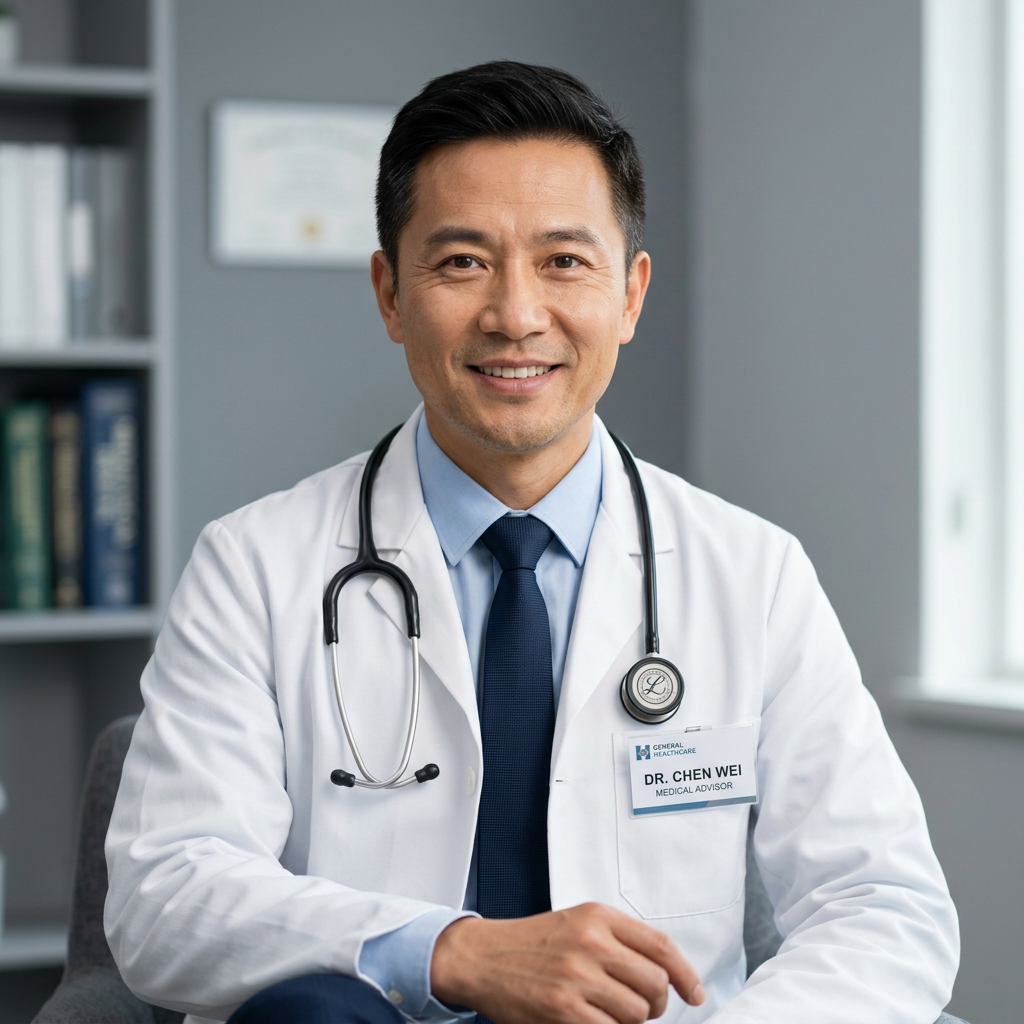
陈伟医生

陈伟医生

医学顾问

原北京协和医院国际医疗部主治医师。

TCM Treatment Abroad: What to Expect from Authentic Chinese Medicine in China

Traditional Chinese Medicine has been practiced continuously for more than 2,500 years. It is one of the oldest and most comprehensive medical systems in human history, and in 2017, UNESCO recognized acupuncture and moxibustion of Traditional Chinese Medicine as part of the Intangible Cultural Heritage of Humanity, acknowledging its profound cultural and medical significance.

Today, TCM is practiced in clinics around the world, from London to Los Angeles to Lagos. But there is a fundamental difference between receiving TCM treatment at a standalone clinic overseas and receiving it at one of China's top TCM hospitals, where it is practiced at its highest level, supported by rigorous academic training, extensive clinical research, and, uniquely, integrated with modern Western medicine.

For international patients dealing with chronic conditions, recovering from surgery, managing cancer treatment side effects, or simply seeking a holistic approach to health that Western medicine alone has not provided, traveling to China for authentic TCM treatment can be a genuinely life-changing experience.

This article explains what TCM is, how it works, what conditions it treats most effectively, what makes TCM in China fundamentally different from TCM overseas, and exactly what to expect if you decide to pursue treatment.

What Is Traditional Chinese Medicine?

Traditional Chinese Medicine is a complete medical system, not a single therapy. It is built on a theoretical framework that understands the human body as an interconnected system of energy (qi), blood, and organ networks. Health, in the TCM model, is the state of balanced, harmonious flow of qi and blood throughout the body. Disease arises when this balance is disrupted, whether by external factors (climate, pathogens, injury), internal factors (emotions, diet, lifestyle), or constitutional weaknesses.

TCM diagnosis is remarkably sophisticated. A trained TCM practitioner assesses a patient through four diagnostic methods: observation (particularly the tongue), listening and smelling, inquiry (detailed questioning about symptoms, lifestyle, and history), and palpation (especially pulse diagnosis, where the practitioner reads subtle qualities in the radial pulse at both wrists to assess the state of different organ systems).

Based on this assessment, the practitioner develops a diagnosis expressed in TCM terminology (such as "liver qi stagnation" or "kidney yin deficiency") and creates a personalized treatment plan using one or more TCM modalities.

The Major TCM Treatment Modalities

Acupuncture

Acupuncture is perhaps the most widely recognized TCM therapy. It involves the insertion of very fine, sterile needles into specific points on the body (acupuncture points or "acupoints") to regulate the flow of qi and stimulate the body's self-healing mechanisms.

There are over 360 classical acupuncture points along 14 major meridians (energy channels) in the body, and modern practice has identified hundreds of additional effective points. The selection and combination of points is highly individualized based on the patient's specific diagnosis.

Modern research has validated many of acupuncture's effects, demonstrating its ability to:

  • Stimulate the release of endorphins and other natural pain-relieving chemicals
  • Modulate the immune system
  • Reduce inflammation
  • Regulate the autonomic nervous system
  • Improve blood circulation to specific areas
  • Influence neurotransmitter levels

The World Health Organization (WHO) recognizes acupuncture as effective for over 40 conditions, and ongoing research continues to expand the evidence base.

What it feels like: Acupuncture needles are extremely thin (much thinner than injection needles), and insertion is usually painless or accompanied by a brief, mild sensation. Once needles are in place, patients often experience a feeling of heaviness, warmth, or tingling at the needle sites, known as "de qi," which indicates that the treatment is activating the desired response. Most patients find acupuncture deeply relaxing, and many fall asleep during treatment.

Herbal Medicine

Chinese herbal medicine is the most extensive pharmacopoeia in the world, utilizing thousands of plant, mineral, and animal-derived substances. Unlike Western herbal medicine, which typically uses single herbs, TCM herbal prescriptions are carefully constructed formulas combining multiple ingredients that work synergistically.

A typical herbal prescription might contain 8 to 15 different herbs, each selected for a specific role:

  • Chief herbs: Address the primary condition
  • Deputy herbs: Support the chief herbs and address secondary symptoms
  • Assistant herbs: Moderate the actions of other herbs or address additional concerns
  • Envoy herbs: Direct the formula to the appropriate area of the body and harmonize the prescription

Herbal formulas are highly personalized. Two patients with the same Western medical diagnosis (for example, irritable bowel syndrome) might receive completely different herbal prescriptions based on their individual TCM diagnosis.

Forms available: Traditional decoctions (raw herbs boiled into a tea), concentrated granules (instant herbal powder), pills, capsules, and external applications (plasters, washes, ointments).

Cupping Therapy

Cupping involves placing glass, bamboo, or silicone cups on the skin to create suction. This draws blood flow to the area, releases muscle tension, and is believed to help move stagnant qi and blood.

Cupping gained international visibility when Olympic swimmer Michael Phelps appeared at the 2016 Rio Olympics with characteristic circular cupping marks on his shoulders and back, but it has been a core TCM therapy for centuries.

Common applications: Back pain, neck and shoulder tension, respiratory conditions, and general wellness. Cupping is often used in conjunction with acupuncture for enhanced effect.

Tui Na (Therapeutic Massage)

Tui na is a form of therapeutic bodywork that is distinct from relaxation massage. It uses specific manipulation techniques, including pressing, rolling, kneading, and stretching, applied to acupuncture points and meridians to address musculoskeletal conditions and internal disorders.

Tui na practitioners undergo years of specialized training and apply considerable therapeutic force. It is particularly effective for orthopedic conditions, pediatric ailments, and digestive disorders.

Moxibustion

Moxibustion involves burning dried mugwort (moxa) near acupuncture points or areas of the body to warm and invigorate the flow of qi and blood. It can be applied directly on the skin (with protective barriers), held above the skin, or attached to the end of acupuncture needles.

Moxibustion is particularly used for conditions associated with cold and deficiency patterns in TCM, including certain types of chronic pain, digestive weakness, and immune deficiency.

Tai Chi and Qigong

While not treatments in the clinical sense, tai chi and qigong are therapeutic movement practices deeply rooted in TCM theory. Both involve slow, deliberate movements coordinated with breathing and mental focus, designed to cultivate and balance qi within the body.

Many TCM hospitals in China incorporate tai chi and qigong instruction into treatment programs, particularly for patients dealing with chronic conditions, stress-related disorders, or post-surgical recovery. For more on how TCM enhances rehabilitation outcomes, see our guide to recovery and rehabilitation in China. Research has demonstrated benefits for balance, cardiovascular health, immune function, and mental well-being.

What Conditions Does TCM Treat Effectively?

TCM is not a replacement for Western medicine in acute, life-threatening conditions. Nobody should seek acupuncture instead of emergency surgery for a heart attack. But for a wide range of chronic, complex, and quality-of-life conditions, TCM has demonstrated significant effectiveness, either as a primary treatment or as a complement to Western medical care.

Chronic Pain

This is one of TCM's strongest areas. Acupuncture in particular has robust evidence for treating:

  • Chronic low back pain
  • Neck pain
  • Knee osteoarthritis pain
  • Headaches and migraines
  • Fibromyalgia
  • Neuropathic pain
  • Post-surgical pain

Multiple large-scale, high-quality clinical trials and meta-analyses have confirmed that acupuncture provides clinically meaningful pain relief that goes beyond placebo effect.

Digestive Disorders

TCM takes a particularly holistic view of digestive health, and herbal medicine combined with acupuncture has shown effectiveness for:

  • Irritable bowel syndrome (IBS)
  • Chronic gastritis
  • Acid reflux (GERD)
  • Functional dyspepsia
  • Inflammatory bowel disease (as complementary therapy)
  • Chronic constipation

Skin Conditions

TCM dermatology is a well-developed specialty, and Chinese herbal medicine has a long track record of treating:

  • Eczema and atopic dermatitis
  • Psoriasis
  • Acne
  • Urticaria (chronic hives)
  • Vitiligo

Herbal treatments for skin conditions often work by addressing underlying systemic imbalances rather than just suppressing surface symptoms, which can lead to more sustained improvements.

Women's Health

TCM has been treating women's health conditions for millennia, and modern clinical evidence supports its use for:

  • Menstrual irregularities and painful periods
  • Polycystic ovary syndrome (PCOS)
  • Menopausal symptoms (hot flashes, insomnia, mood changes)
  • Fertility support (often used alongside IVF)
  • Pregnancy-related conditions (morning sickness, breech presentation)
  • Postpartum recovery

Neurological Conditions

TCM, particularly acupuncture, has shown promise for:

  • Post-stroke rehabilitation (improving motor function and speech recovery)
  • Bell's palsy
  • Peripheral neuropathy
  • Insomnia
  • Anxiety and depression
  • Trigeminal neuralgia

Cancer Support and Recovery

This is an area where TCM in China is particularly advanced. TCM is not used as a standalone cancer cure, but as an integrative complement to conventional oncology. At hospitals like Guang'anmen in Beijing, TCM is used to:

  • Reduce chemotherapy side effects (nausea, fatigue, neuropathy, immune suppression)
  • Support recovery after surgery
  • Improve appetite and nutritional status during treatment
  • Manage cancer-related pain
  • Enhance quality of life throughout the treatment process
  • Support immune function

Guang'anmen Hospital's TCM oncology department has published extensive research on integrative cancer care protocols that have been adopted at cancer centers across China. For a deeper look at how Chinese hospitals combine Western oncology with TCM, see our article on integrative cancer treatment in China.

Autoimmune and Inflammatory Conditions

TCM's approach to modulating immune function makes it particularly relevant for:

  • Rheumatoid arthritis
  • Lupus (systemic lupus erythematosus)
  • Ankylosing spondylitis
  • Hashimoto's thyroiditis
  • Multiple sclerosis (as supportive therapy)

TCM in China vs. TCM Overseas: Why the Difference Matters

Practitioner Training

In China, becoming a TCM doctor requires a minimum of five years of full-time university education (Bachelor of TCM), with many practitioners completing seven-year integrated programs or additional three-year master's and doctoral programs. Clinical rotations at teaching hospitals are extensive, and practitioners graduate with thousands of hours of supervised clinical experience.

In contrast, TCM education requirements in Western countries are often significantly less rigorous. In many US states, acupuncture licensure requires a three-year master's program. In some European countries, requirements are even less standardized. The depth of training, particularly in herbal medicine and complex case management, is substantially different.

Scope of Practice

In China, TCM practitioners work within the hospital system and can order diagnostic tests (blood work, imaging), make referrals to Western medicine departments, and collaborate directly with surgeons and oncologists. This integration means TCM diagnosis is informed by both traditional methods and modern diagnostics, leading to more precise and effective treatment.

Overseas TCM practitioners typically work in isolated private practices without direct access to the broader healthcare system, limiting their ability to manage complex or serious conditions.

Herbal Medicine Quality and Range

China is the source of the vast majority of Chinese herbs, and domestic practitioners have access to the full pharmacopoeia, including many rare and specialized herbs that are difficult or impossible to obtain overseas. Chinese herbal pharmacies at major TCM hospitals operate under strict quality control, testing herbs for purity, potency, and contaminants.

Overseas practitioners often work with a limited subset of available herbs, and supply chain issues can affect quality and freshness.

Clinical Scale and Research

China's major TCM hospitals treat millions of patients annually. This enormous clinical scale means practitioners accumulate vast experience and the institutions generate significant research data. Guang'anmen Hospital alone has published hundreds of clinical studies on TCM treatments for cancer, autoimmune diseases, and chronic conditions. This research-driven environment ensures that treatment protocols are continually refined based on outcomes data.

The UNESCO Recognition

In 2010, acupuncture and moxibustion of Traditional Chinese Medicine were inscribed on UNESCO's Representative List of the Intangible Cultural Heritage of Humanity. In 2017, this recognition was expanded. This acknowledgment by the global community underscores that TCM as practiced in China represents a living cultural and medical tradition of immense value, one that is best experienced at its source.

The Integrative Approach: TCM Combined with Western Medicine

One of the most compelling reasons to seek TCM treatment in China is the integrative approach practiced at many hospitals. Rather than viewing TCM and Western medicine as competing systems, Chinese medicine increasingly combines both to create treatment plans that leverage the strengths of each.

For example:

  • A cancer patient might receive surgery, chemotherapy, and targeted therapy from the oncology department while simultaneously receiving herbal medicine and acupuncture from the TCM department to manage side effects, support immune function, and accelerate recovery.
  • A patient with rheumatoid arthritis might use Western immunosuppressive drugs to control acute flares while receiving ongoing TCM treatment to reduce the need for medication over time and improve overall well-being.
  • A post-surgical orthopedic patient might benefit from a rehabilitation program that combines physical therapy with acupuncture, tui na, and herbal medicine to promote faster healing and pain management.

This "best of both worlds" approach is increasingly supported by clinical evidence and is available almost exclusively in China, where both systems coexist within the same institutions.

What a Typical TCM Consultation Looks Like

Understanding what to expect can reduce anxiety about seeking TCM treatment in China. Here is a typical consultation process:

Initial Consultation (60-90 minutes)

  1. Detailed inquiry: The practitioner will ask extensive questions about your chief complaint, medical history, sleep, appetite, digestion, energy levels, emotional state, temperature preferences, sweating patterns, and more. These questions may seem unusual compared to Western medical interviews, but each provides critical diagnostic information in the TCM framework.
  1. Tongue diagnosis: You will be asked to extend your tongue. The practitioner will observe its color, coating, shape, moisture, and any unusual features. The tongue is considered a map of the internal organs in TCM.
  1. Pulse diagnosis: The practitioner will palpate the radial arteries at both wrists, feeling for subtle qualities in the pulse at different positions and depths. A skilled TCM doctor can distinguish more than 28 different pulse qualities, each providing information about the state of specific organs and systems.
  1. Observation: The practitioner will note your complexion, body build, posture, voice quality, and overall demeanor, all of which contribute to the diagnosis.
  1. Review of Western medical records: At a Chinese TCM hospital, the practitioner will also review any Western medical reports, test results, and imaging you have brought, integrating modern diagnostic data with traditional assessment.

Diagnosis and Treatment Plan

Based on the four diagnostic methods, the practitioner will explain your TCM diagnosis and propose a treatment plan. This typically includes:

  • Frequency and duration of acupuncture sessions
  • A customized herbal prescription
  • Any additional modalities (cupping, moxibustion, tui na)
  • Dietary and lifestyle recommendations
  • Expected timeline for improvement

Ongoing Treatment

TCM treatment typically involves daily or near-daily sessions, particularly in the initial phase. A standard treatment course at a Chinese hospital might run two to four weeks, with:

  • Daily acupuncture sessions (20-40 minutes each)
  • Herbal medicine taken two to three times daily
  • Additional therapies as prescribed (cupping, tui na, moxibustion) two to three times per week
  • Weekly reassessment and adjustment of the treatment plan

Guang'anmen Hospital's TCM Oncology Program: A Closer Look

Guang'anmen Hospital in Beijing deserves special attention for its internationally recognized integrative oncology program. Founded in 1955 under the China Academy of Chinese Medical Sciences, Guang'anmen has been at the forefront of combining TCM with conventional cancer treatment for decades.

How the Program Works

Patients referred to or seeking treatment at Guang'anmen's oncology department undergo a comprehensive evaluation that includes both Western oncological assessment (including review of pathology, imaging, and treatment history) and detailed TCM diagnosis. The treatment team then develops a coordinated plan that specifies:

  • Which conventional treatments (surgery, chemotherapy, radiation, targeted therapy) are appropriate
  • How TCM therapies will be timed alongside conventional treatment
  • Which herbal formulas will be used to address specific side effects and support overall health
  • The acupuncture protocol for symptom management

Evidence and Outcomes

Guang'anmen's oncology department has published numerous clinical studies demonstrating that integrative TCM-Western medicine approaches can:

  • Reduce the incidence and severity of chemotherapy-induced nausea and vomiting
  • Improve white blood cell counts in patients with chemotherapy-induced myelosuppression
  • Reduce cancer-related fatigue
  • Improve appetite and nutritional status
  • Enhance quality of life scores during active treatment
  • Potentially improve survival rates when combined with standard treatment (evidence is emerging and varies by cancer type)

Who Should Consider This Program

Guang'anmen's integrative oncology program is particularly suitable for patients who:

  • Are undergoing or have completed conventional cancer treatment and want to manage side effects
  • Have completed primary treatment and seek support during the recovery and surveillance phase
  • Are interested in exploring all available options to optimize their treatment outcomes
  • Want to address quality-of-life issues (pain, fatigue, sleep, appetite) that conventional treatment alone has not resolved

Planning Your TCM Treatment Trip to China

How Long Should You Stay?

For meaningful TCM treatment, plan for a minimum of two weeks, with three to four weeks being ideal for chronic conditions. TCM works cumulatively, and the benefits build over the course of multiple treatment sessions. A stay of less than two weeks is unlikely to produce lasting results for chronic conditions, though it may be sufficient for acute issues or initial assessment.

What to Bring

  • Complete medical records, including recent blood work, imaging reports, and medication lists
  • A list of all current medications and supplements (bring the actual bottles if possible for identification)
  • Comfortable, loose-fitting clothing that allows easy access to arms, legs, and back for acupuncture
  • An open mind and realistic expectations

What to Expect from the Experience

Patients consistently report that receiving TCM in China feels qualitatively different from receiving it elsewhere. The depth of the diagnostic process, the confidence and precision of experienced practitioners, the breadth of available therapies, and the integration with modern medicine create a treatment experience that is difficult to replicate outside of China.

Many patients describe the experience as the first time they felt truly "listened to" by a medical system, with practitioners taking the time to understand their condition holistically rather than treating symptoms in isolation.

Is TCM Treatment in China Right for You?

Consider traveling to China for TCM treatment if:

  • You have a chronic condition that has not responded fully to Western medical treatment
  • You are interested in an integrative approach combining the best of both medical traditions
  • You want to experience TCM at its highest level of practice, at the source
  • You are undergoing cancer treatment and want to manage side effects and support your recovery
  • You are curious about a medical tradition with over 2,500 years of clinical refinement

TCM is not a magic cure, and responsible practitioners will always be honest about what it can and cannot do. But for the right conditions and the right patients, authentic TCM treatment in China offers something genuinely unique and valuable that cannot be found anywhere else in the world.

About OrientHealthLink

OrientHealthLink connects international patients with China's leading TCM and integrative medicine hospitals, including Guang'anmen Hospital and other top-tier institutions. We provide medical record translation, practitioner matching based on your specific condition, appointment coordination, professional medical interpretation during consultations, and full travel support. For help selecting the right institution, see our top 10 hospitals for international patients. Whether you are exploring TCM for the first time or seeking the most advanced integrative treatment available, our team ensures you receive authentic, high-quality care in a comfortable, well-supported environment. Visit OrientHealthLink.com to start planning your treatment journey.

TCM treatmenttraditional Chinese medicine abroadacupuncture China
分享:

关注医疗旅行最新资讯

获取免费指南 + 每周医疗旅游专家洞察,直达您的邮箱。

相关服务

准备好迈出下一步了吗?

了解为国际患者量身定制的中西医结合治疗和慢性病管理方案。

了解中医与慢性病治疗

准备好探索中国的医疗服务了吗?

联系我们获取免费咨询,我们的专业团队将为您量身定制医疗旅行方案。

免费咨询
返回博客