
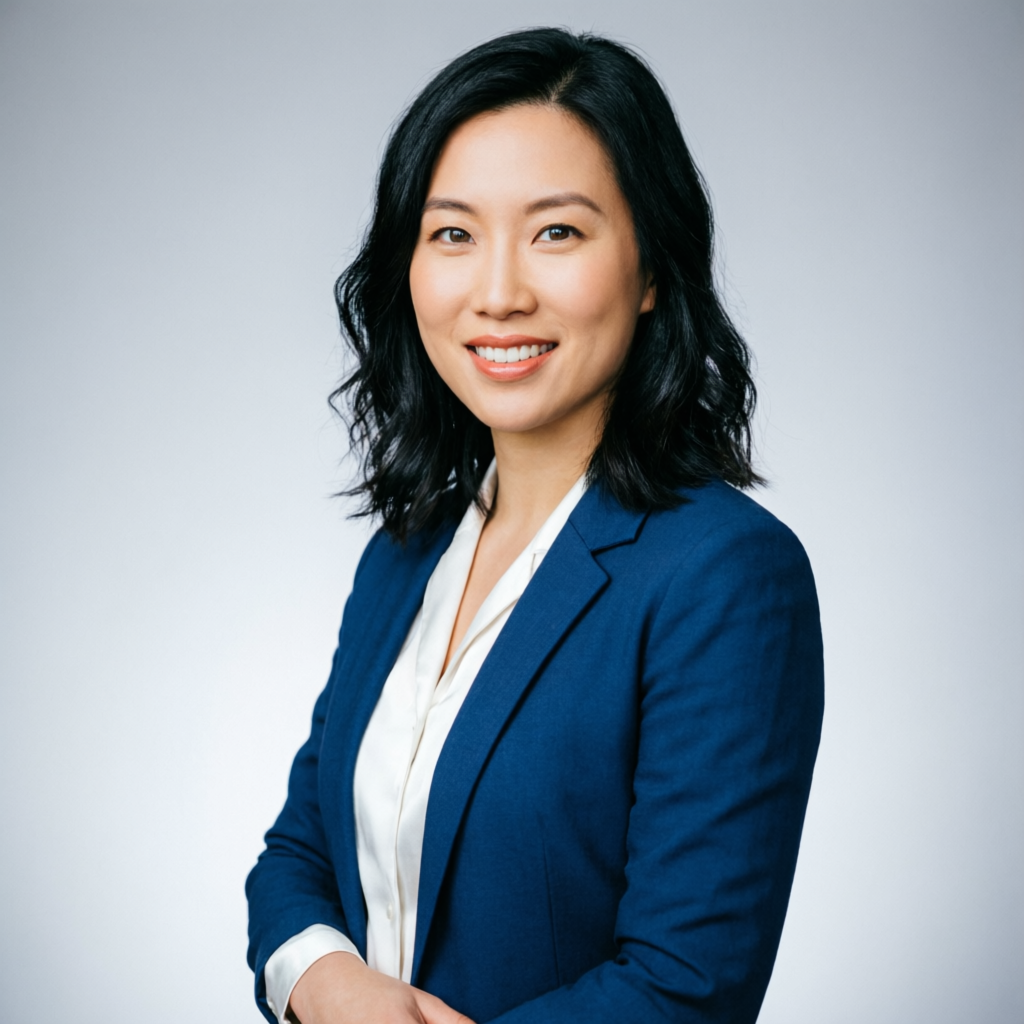
What One Patient Tried: Allergies and Asthma TCM China
Quick answer: Some patients with long-standing allergies and asthma travel to China to explore an integrated TCM-plus-Western approach when daily medication no longer feels like enough. One Atlanta marketing director reduced her medication burden after a structured stay at Guangdong Provincial Hospital of Chinese Medicine. Results vary by individual, and any treatment plan should be decided with your doctor.
Wondering whether your allergy or asthma case fits this model? Request the hospital credential report →
At a Glance
- Asthma affects about 8.6% of US adults and 6.5% of children as of 2024, according to the CDC.
- Allergy symptoms affect roughly 31.8% of US adults, or nearly 1 in 3, the American College of Allergy, Asthma & Immunology reports.
- Some patients explore acupuncture and individualized herbal support alongside conventional pulmonology for allergic rhinitis and asthma; evidence specific to this combination is still developing and results vary.
- This patient kept her inhaled corticosteroid throughout the trip and tapered other medications only with her US allergist afterward.
- Her all-in cost, including treatment, travel, lodging, and coordination, was roughly $7,150; the treatment portion alone was about $5,180. Costs vary by case.
Why Do Allergies and Asthma Sometimes Stop Responding to Standard Care?
Standard care for allergic rhinitis and asthma, antihistamines, nasal steroids, and inhaled corticosteroids, helps many people stay functional. But some patients reach a plateau: symptoms are controlled only while medication is taken every day, and flares still break through during high-pollen seasons or after infections.
That was the situation for a 38-year-old Atlanta marketing director. After more than 15 years of daily antihistamines and nasal steroids, she developed adult-onset asthma following a respiratory infection. She added a daily inhaled corticosteroid and rescue inhaler. Her US allergist concluded that lifelong daily medication was the most likely path. She wanted to know whether a structured, hospital-based program could lower her baseline inflammation rather than simply mask symptoms.
What Does an Integrated TCM-Plus-Western Program Actually Involve?
An integrated program keeps conventional pulmonology in charge of diagnosis and safety while adding TCM pattern assessment and therapies. The goal is not to replace your inhaler or allergy medications overnight, but to address inflammation and reactivity through more than one lens.
At Guangdong Provincial Hospital of Chinese Medicine, the Atlanta patient received Western diagnostic testing first: spirometry, fractional exhaled nitric oxide (FeNO), nasal endoscopy, skin-prick allergy testing, and specific IgE blood work. The pulmonologist confirmed her US diagnosis of allergic rhinitis with mild persistent asthma and elevated airway inflammation.
The integrated plan kept her inhaled corticosteroid in place and added individualized acupuncture, cupping, moxibustion, and customized herbal decoctions prepared by the hospital pharmacy. The physician set a realistic goal: not remission, but a meaningful reduction in daily medication need and fewer symptom flares. She tracked symptom scores, medication use, and repeat spirometry through the stay.
Note: This is one patient's experience. Results vary from person to person.
Want us to check whether a program like this matches your profile? Request the hospital credential report →
How Do I Know if My Case Fits This Approach?
This approach is usually considered when your condition is stable enough to travel, your symptoms are persistent despite standard care, and you are open to a combined model. It is not appropriate for severe or poorly controlled asthma, acute respiratory crisis, or unmanaged conditions that make flying unsafe.
The Atlanta patient had mild persistent asthma that was stable on medication. Before traveling, OrientHealthLink reviewed her history, medication list, and goals to confirm that the hospital's respiratory unit regularly saw patients with a similar profile. In China, several hospital-based programs treat allergic and respiratory conditions this way; the approach is used across multiple centers, not one clinic's secret method.
The key judgment is which hospital and which physician match your specific diagnosis, severity, and current medications. That is not information you can reliably find from a website.
Why Can't I Just Book a TCM Clinic in China Myself?
You can book a clinic, but you cannot easily verify whether the physician has experience with allergic respiratory cases, whether the clinic co-manages with a Western pulmonologist, or how it handles emergency flare-ups. Search results and travel reviews do not tell you which hospital department actually sees patients like you, what the physician's current caseload looks like, or what daily patient feedback says.
This is where a medical travel coordination service adds value. We do not diagnose or treat. We help you reach the right hospital and physician with your records organized, your questions translated, and a plan for follow-up care back home.
Not sure how to find the right unit? Request the hospital credential report →
How We Help
- We maintain a nationwide database of hospitals, doctors, and their specialties to identify units that regularly see patients with allergic and respiratory conditions.
- We get direct insight from hospital contacts about which physicians and departments are genuinely strong for this type of integrated care.
- Our on-the-ground team is inside these hospitals regularly, so our recommendations reflect real workflows and patient feedback, not just website profiles.
- We help arrange your admission or transfer through the right channel, with bilingual support throughout your trip.
- We provide a free case review to confirm whether your profile matches what a given program typically sees.
- We prepare English discharge summaries and test results so your US doctor can continue your care afterward.
We give you the evidence and our reasoning. You make the final decision, with your doctor.
Which hospital, which doctor is genuinely right for your case — you can't find that from a website. We match you based on a nationwide database, hospital contacts, and on-the-ground patient feedback. You decide — we just make sure you're not choosing blind.
Request the hospital credential report →
Free · No obligation · If we think you'd be fine staying local, we'll tell you.
Frequently Asked Questions
Can allergies and asthma be treated with TCM in China?
Some patients explore an integrated approach that combines TCM methods with conventional pulmonology. Evidence for TCM specifically in allergic rhinitis and asthma is still developing, and results vary from person to person. It should complement, not replace, your doctor's care.
Is the case review really free?
Yes. The initial case review is free and carries no obligation. We review your history, current treatment, and goals, then explain whether we can help and what realistic next steps look like.
Is it safe to travel for allergy and asthma treatment?
Safety depends on the severity of your asthma and the hospital you choose. The patient in this story had mild persistent asthma that was stable on medication. Anyone with severe or poorly controlled asthma should discuss travel risks with their physician first.
Will my US doctor accept the records from China?
We prepare discharge summaries and test results in English so your US physician can review them. Whether your doctor integrates those recommendations is up to them and you.
How long do patients typically stay for this kind of program?
Duration varies by individual and by what the treating team recommends. The patient in this story stayed about three weeks; others may need more or less time.
What does it actually cost?
Costs vary by hospital, treatment intensity, imaging needed, and travel preferences. This patient's treatment portion was roughly $5,180 and her all-in trip cost was roughly $7,150. Your case may differ.
Internal links: → How we choose your hospital and doctor · → Traditional Chinese Medicine: A Foreigner's Guide (2026) · → TCM for Chronic Pain: Acupuncture and Herbal Medicine
This article is general information, not medical advice. Individual results vary. OrientHealthLink is a medical travel coordination service, not a healthcare provider — we help you find and reach the right doctors; we do not diagnose or treat. All medical decisions should be made with qualified, licensed physicians.
Internal links: → Top JCI-accredited hospitals in China · → Your journey: every step from assessment to follow-up